HUG's Self-Titled Debut Is a Patient, Gorgeous Masterpiece of Three Guitarists Listening
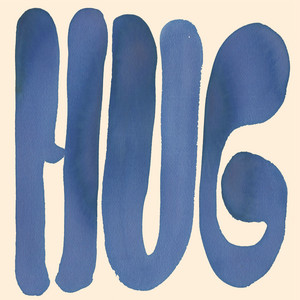
Supergroups usually sound like a negotiation. HUG sounds like a conversation that has been going on for years and simply got recorded one afternoon. The trio is Devendra Banhart, Gyan Riley and Noah Georgeson, and their self-titled debut for Luaka Bop is nearly an hour of instrumental guitar music with exactly one vocal on it.
Dusted’s Tim Clarke identified what makes it work: the record “possesses the kind of easy-flowing interplay that arises most readily out of long-standing friendships.” Shepherd Express’s Jon M. Gilbertson put the same observation more bluntly — “their album is audibly a collaboration of equals.”
The Sonic Breakdown
The Production & Mix
The Low-End: Georgeson plays the bass and also engineered and mixed the record, and you can hear both jobs being done by the same ear. The low end is filtered, unobtrusive, and placed so that it supports the guitars without ever competing for the same air.
The Spatial Dynamics: The room is the fourth member. Laura Giannone’s field recordings of rain and frogs are not garnish — Clarke describes “Cow with Half Moon Parasol” as “a shimmering cascade of pinging harmonics, kalimba, shakers, filtered bass, and a field recording of frogs,” which is a fair description of a mix where a pond and a thumb piano are treated as equals. Thorleifur Gaukur Davíðsson’s harmonica drifts through as another weather system.
Standout Performance
Gyan Riley, for range. Clarke hears “Petrichor” pairing “flurries of flamenco-style guitar with twinkling guitar textures,” and “Lippuvuori” favoring “wonky, pitch-bent guitars set against languid ripples of vibraphone.” Three or four distinct guitar vocabularies across eleven tracks, none of them showing off.
Why It’s Certified
⚡ “Cucullatus’ Dream” recalls, in Clarke’s words, “the languid, slow-motion grandeur of Labradford, sparingly ornamented with plaintive peals of slide guitar.”
🌈 Banhart sings on exactly one song, “Sarva Mangalam.” A record that famous for its voices choosing to mostly not use them is a statement of intent.
⚡ Clarke’s summary is the whole review in one line: “there’s an undeniable poise and grace to this nearly-hour-long collection — a balm for the patient listener.”