Musings & Mixes
Roundups, field guides, and the occasional unhinged listicle — the playful side of the operation. Still zero cynicism, still technically obsessive.

The Setlist Is the Band's Only Essay
It gets written twenty minutes before doors, in marker, on whatever paper is nearby, and then taped to the floor where nobody in the audience can read it. It is also the single clearest statement a band makes about what it thinks its own songs are for.
In Praise of the Long Tracklist
Twenty-two tracks sounds like a threat. It usually isn't. The long tracklist is one of the few formal choices left that streaming didn't invent and can't flatten — and the records that use it well are doing something a tidy ten-song album simply cannot.

Learning a Song by Ear Is How You Actually Meet It
You can hear a song a thousand times and never really know it. Sit down with an instrument, hit rewind forty times, and figure it out yourself — that's when the song finally shakes your hand.
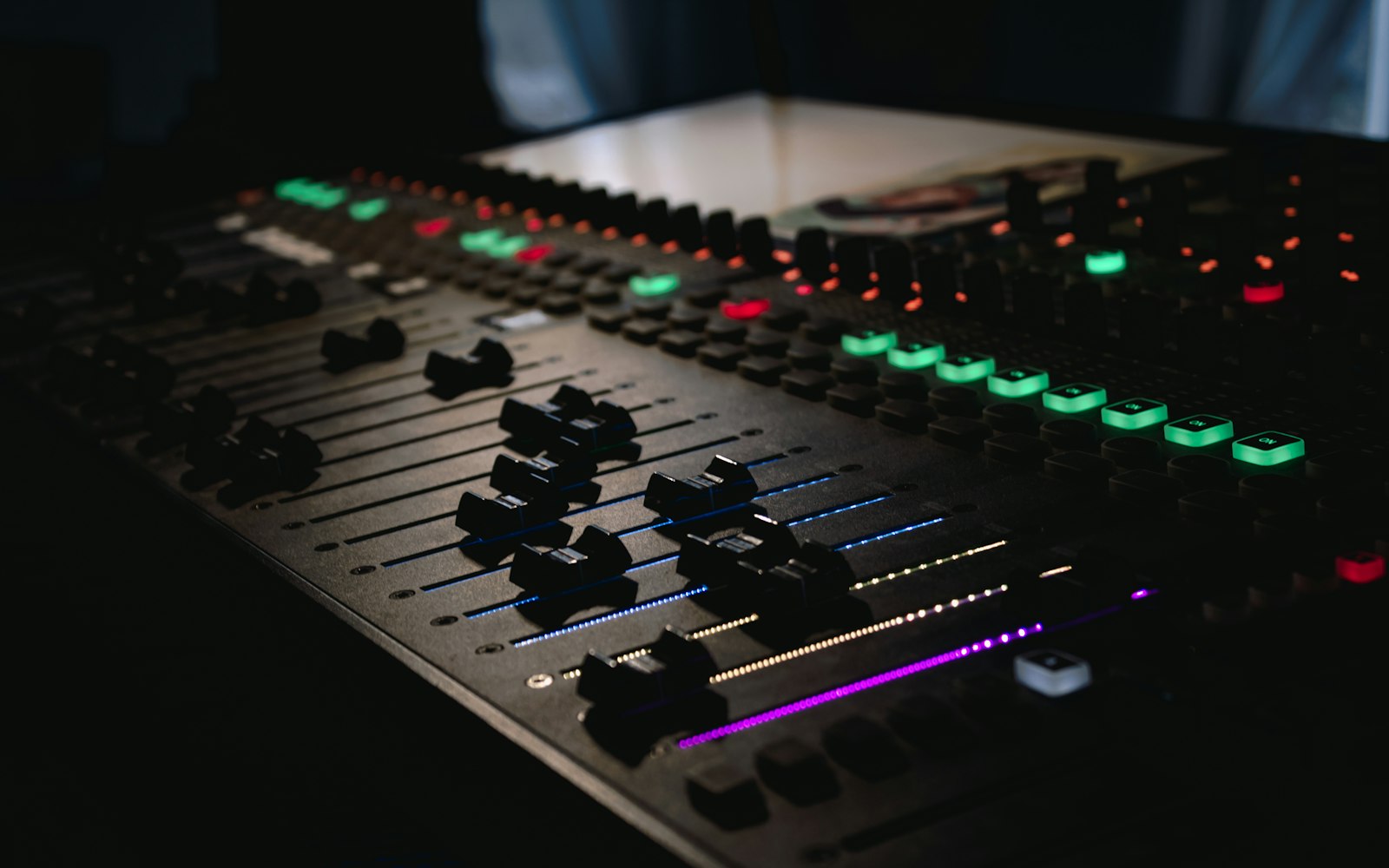
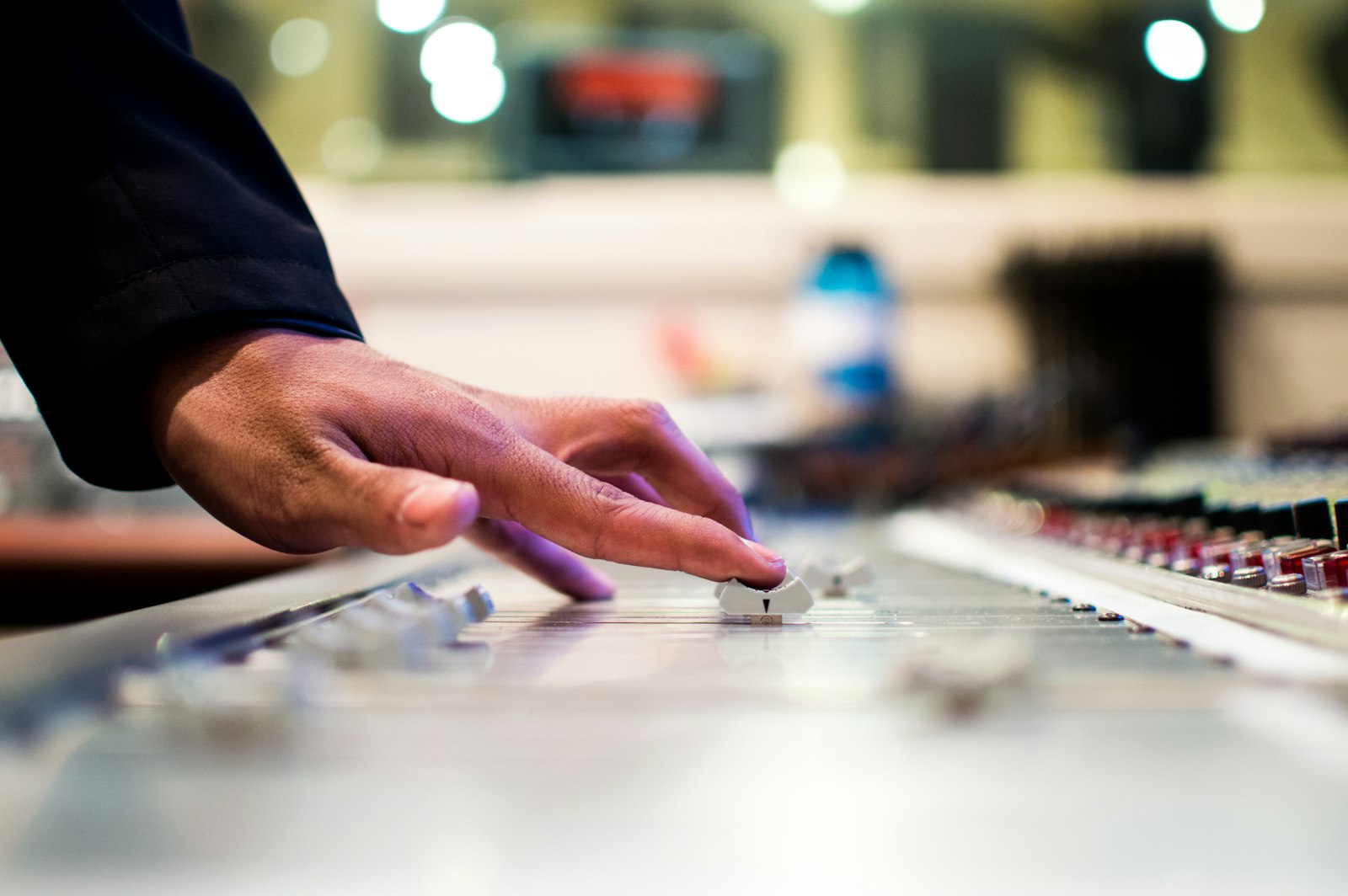
The Person at the Mixing Desk Is in the Band
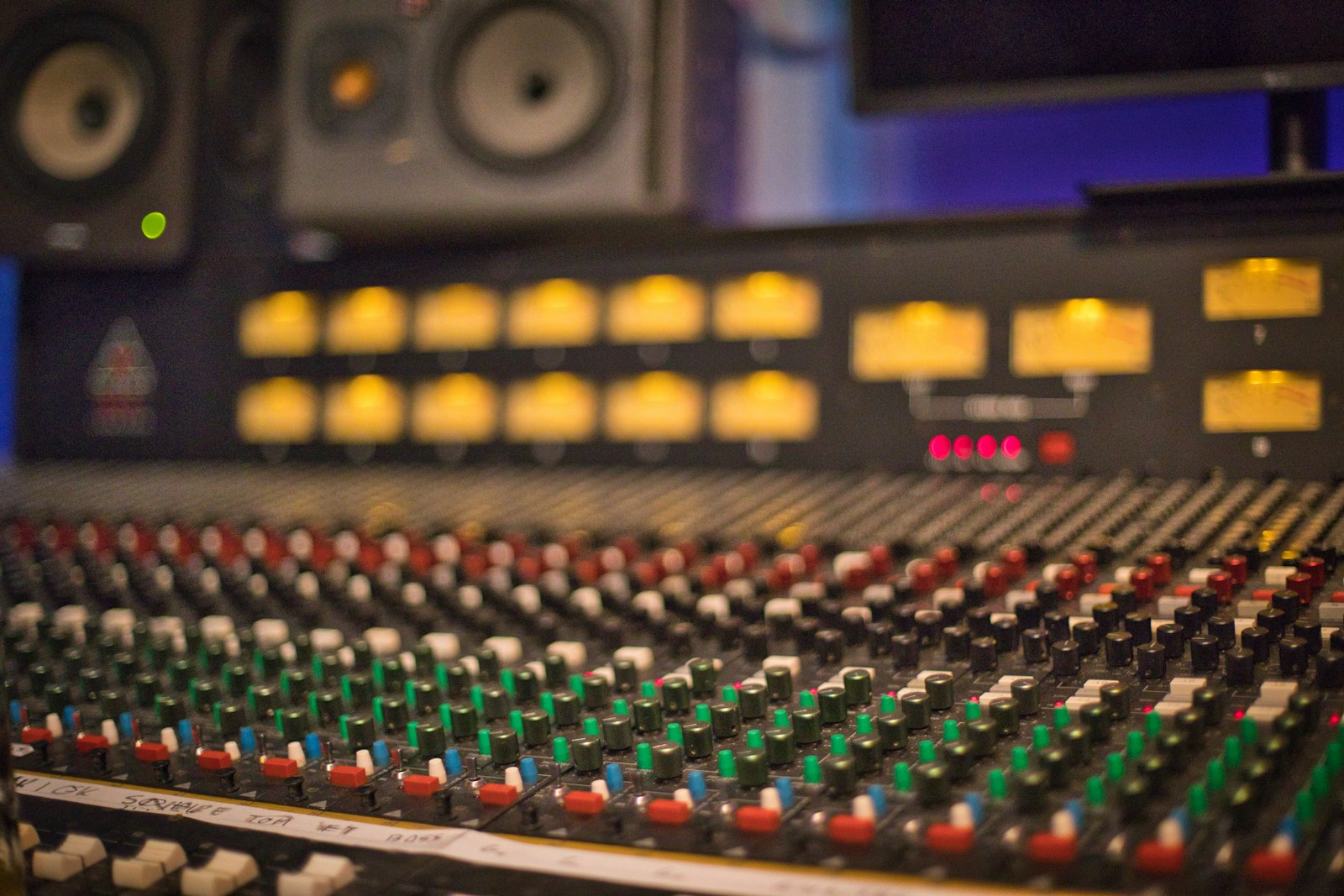
Four people are on stage. A fifth is standing at a desk forty feet back, making a hundred decisions an hour that determine whether you hear a band or a wall of noise. Nobody claps for them. They should.

The Live Album Is a Different Record, Not a Worse One
We treat live albums as souvenirs — the studio record with worse fidelity and more shouting. That gets it backwards. A live album is the only document of what the songs turned into once the band had to play them a hundred times in a row.
Singing Along in a Language You Don't Speak
You learn it phonetically, the way a kid learns a hymn — shapes first, meaning later or never. It feels like cheating. It isn't. It might be the most honest listening any of us does, because for once you can't hide behind the words.
The One-Take Vocal Is Worth the Nerves
You can comp a vocal out of forty passes and nobody will ever know. Some singers still stand there and do it once, all the way through, and you can hear the difference from across the room — because a whole performance has a shape that assembled pieces never quite get.
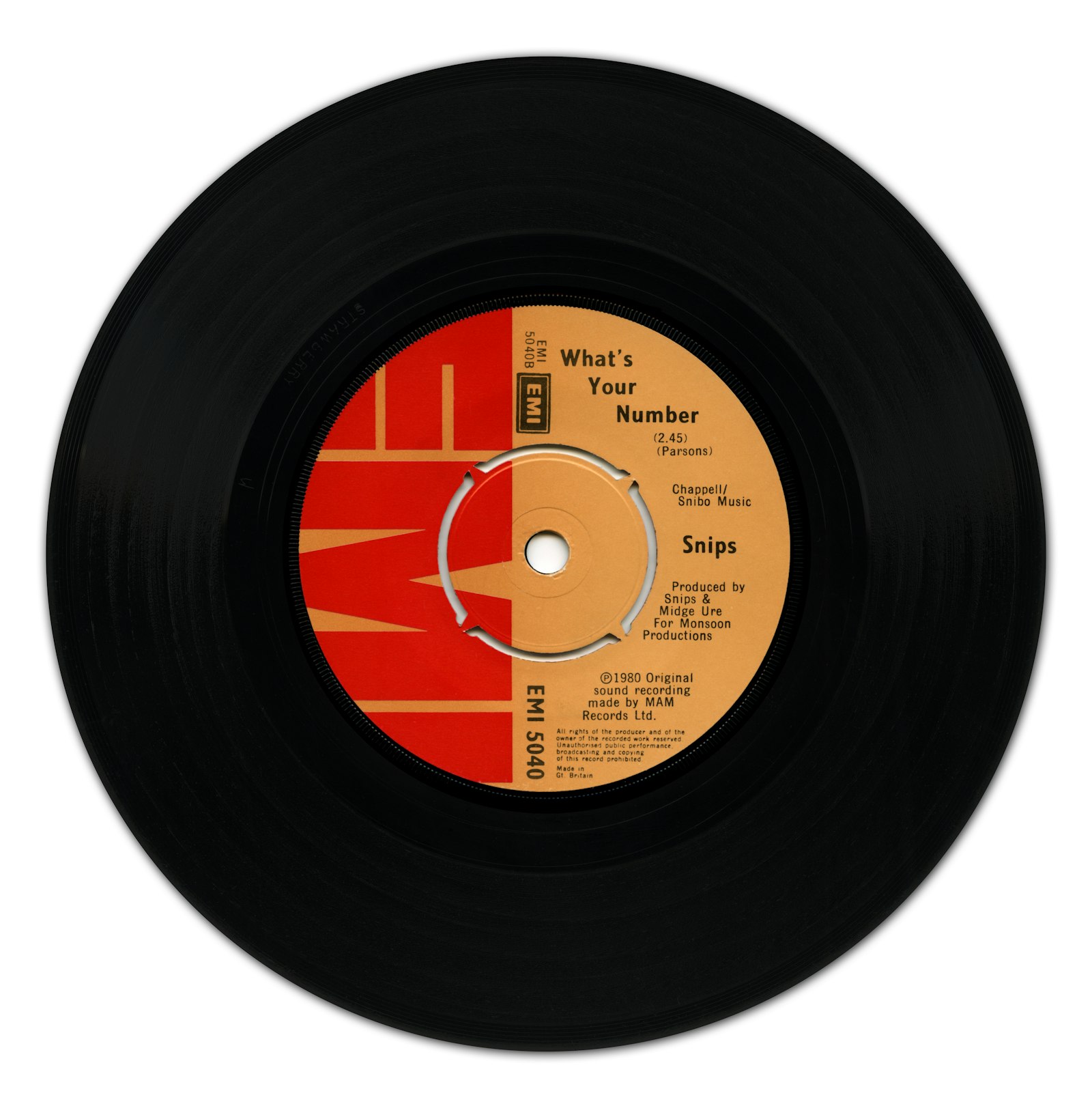
The Split Single Is Two Bands Vouching for Each Other
One 7-inch, two bands, one song each. It's the least efficient way to release music ever devised, and it remains the single most generous object in the whole record store.
The Handclap Is the Cheapest Magic in the Studio
It costs nothing. It requires no gear, no tuning, no rental, no soundcheck. It is the only instrument every human being already owns, and it has been quietly carrying the choruses of your favorite songs for about seventy years.
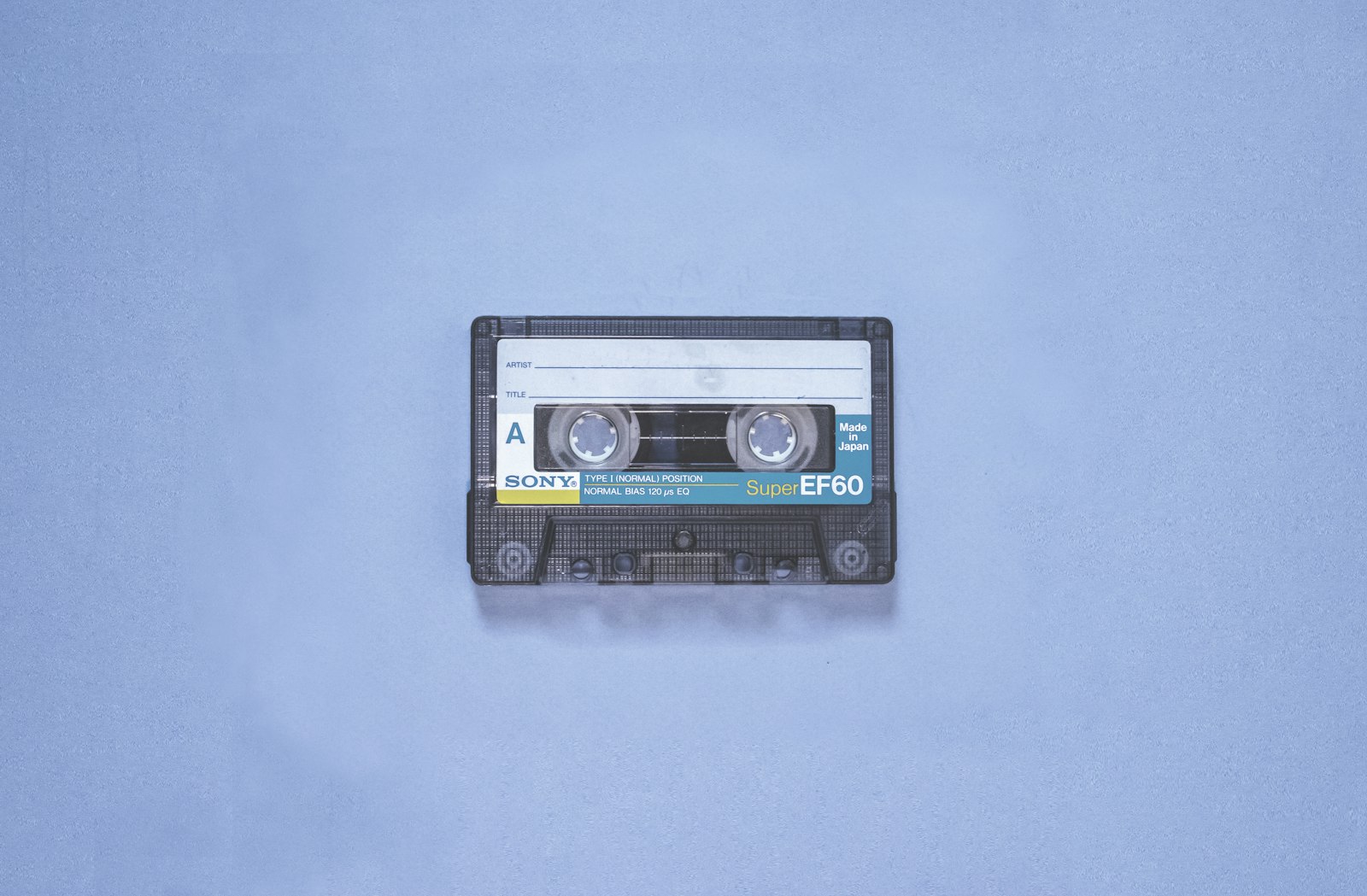
The Demo Deserves Its Own Shelf
The rough version isn't a lesser draft of the real one. It's a different recording of a different moment, and half the time it's the better song.
The Shazam Moment Is the Modern Record Store
You're in a bar, a coffee shop, a hardware store — a song comes on you don't recognize and something in you locks in. You pull out your phone, hold it up, wait for the little pulse of dots. Whatever happens next in your listening life started right there.
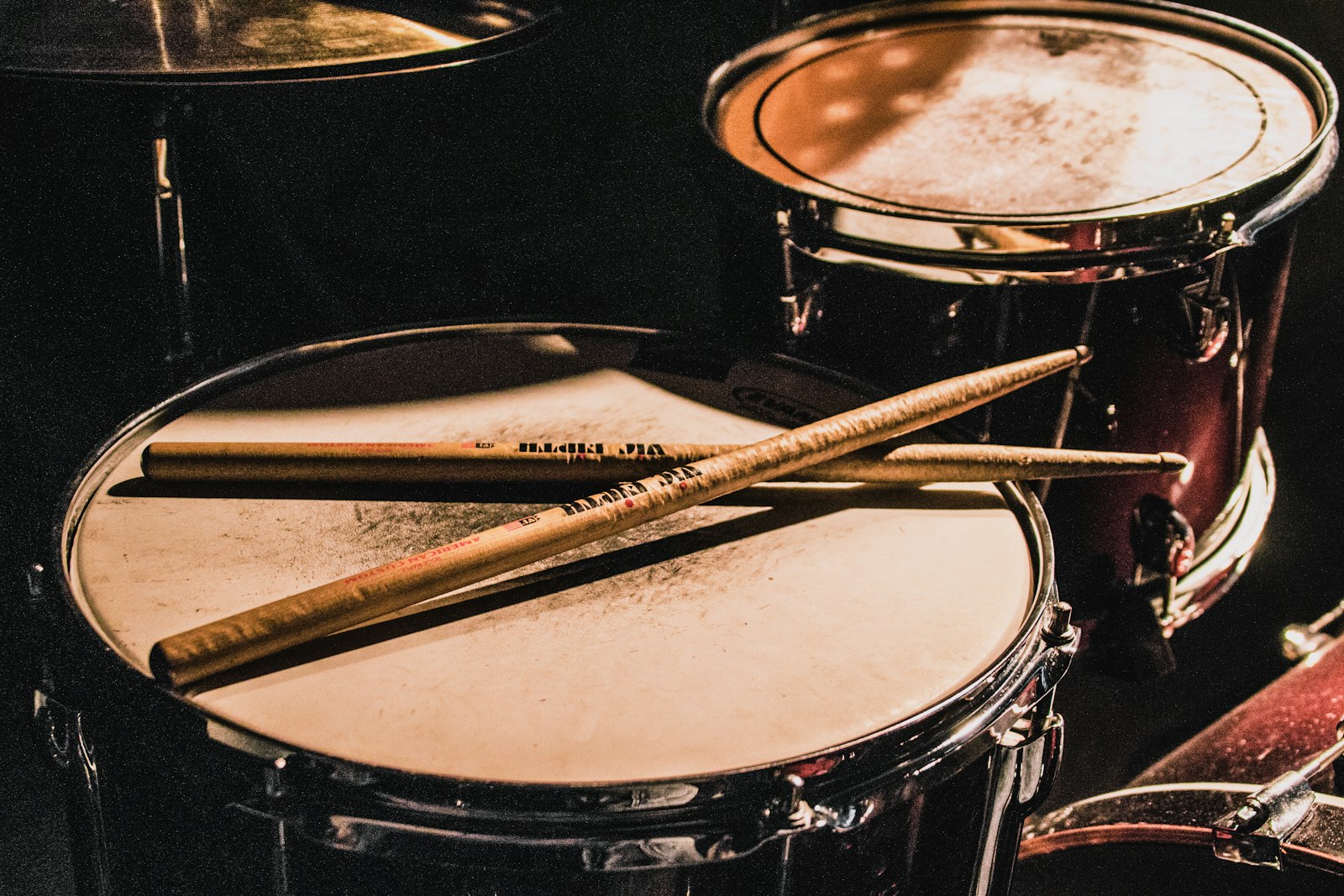
The Drum Fill Is a Doorway
It lasts a second and a half and nobody puts it on a poster. But the fill is the moment a song admits it's about to change — the hinge everything else swings on, and the one part of a record most listeners feel without ever noticing.
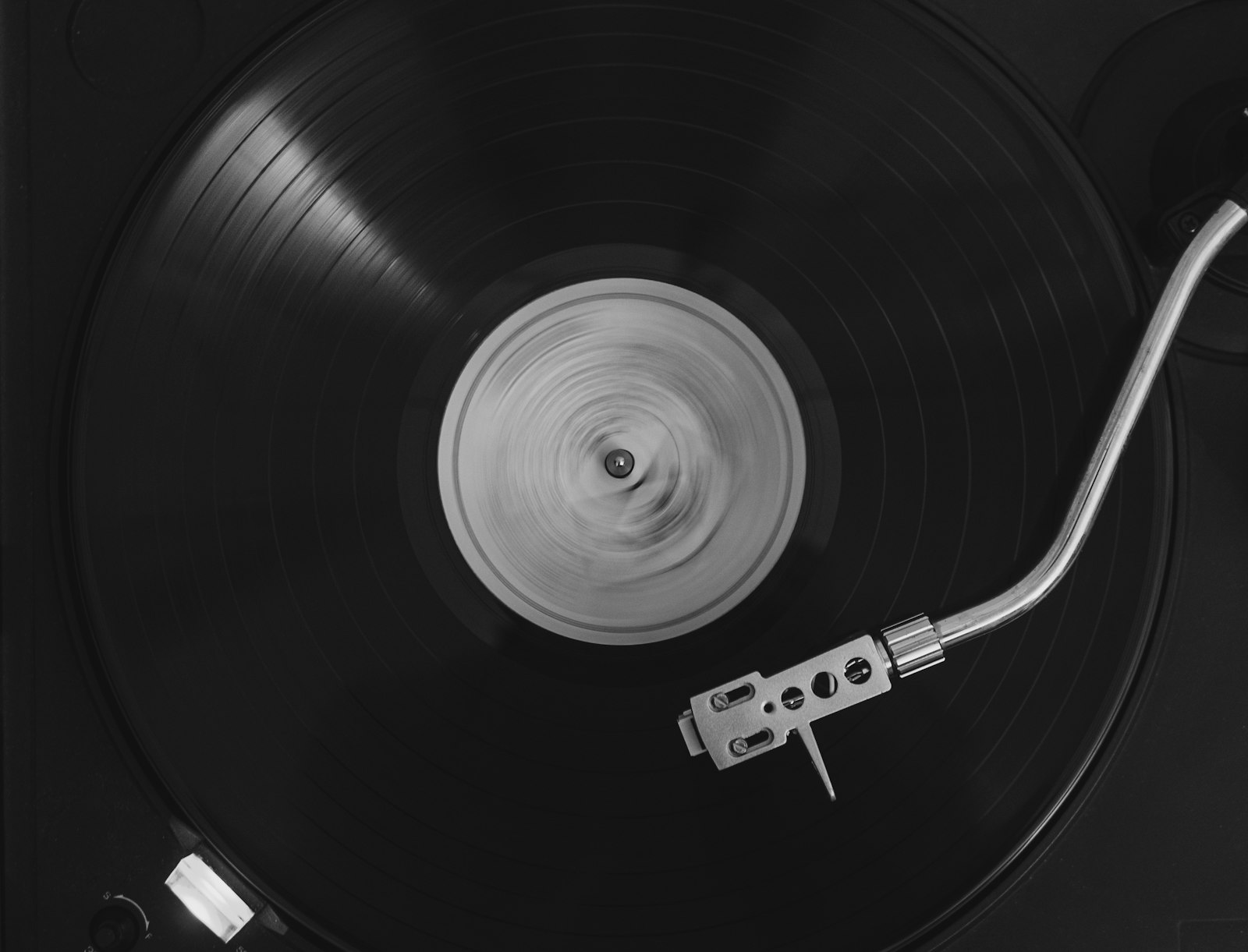
Side Two, Track One
Everyone talks about the album opener. Nobody talks about the other one — the track that has to restart a record you already put down once. It is the hardest job in sequencing, and the best bands treat it like a second chance.

The Label Sampler Was a Free Education
Somebody at a label picked fourteen bands, put them on one disc, and charged you almost nothing for it. That wasn't marketing so much as a syllabus — and the good ones still work exactly that way.
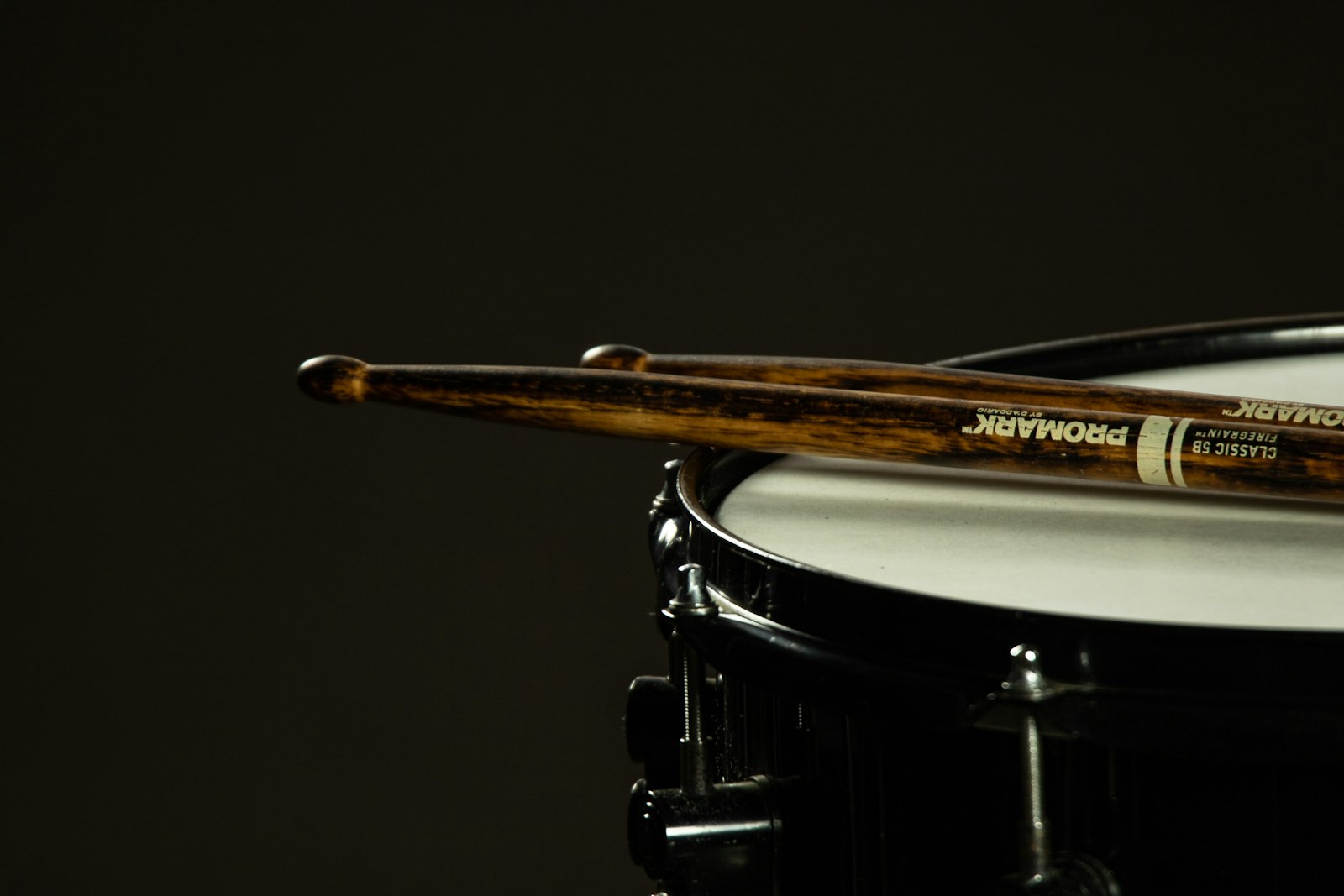
Leave the Count-In On the Record
Four clicks of a drumstick, or a voice counting under its breath, and then the song. It's the least musical second on the whole record — and cutting it out takes something with it.

Night One Is Never the Best Show (And That's the Point)
The first show of a tour is always a little ragged. By the last one, the same songs are muscle memory. An ode to the beautiful, unglamorous middle part nobody puts on the poster.
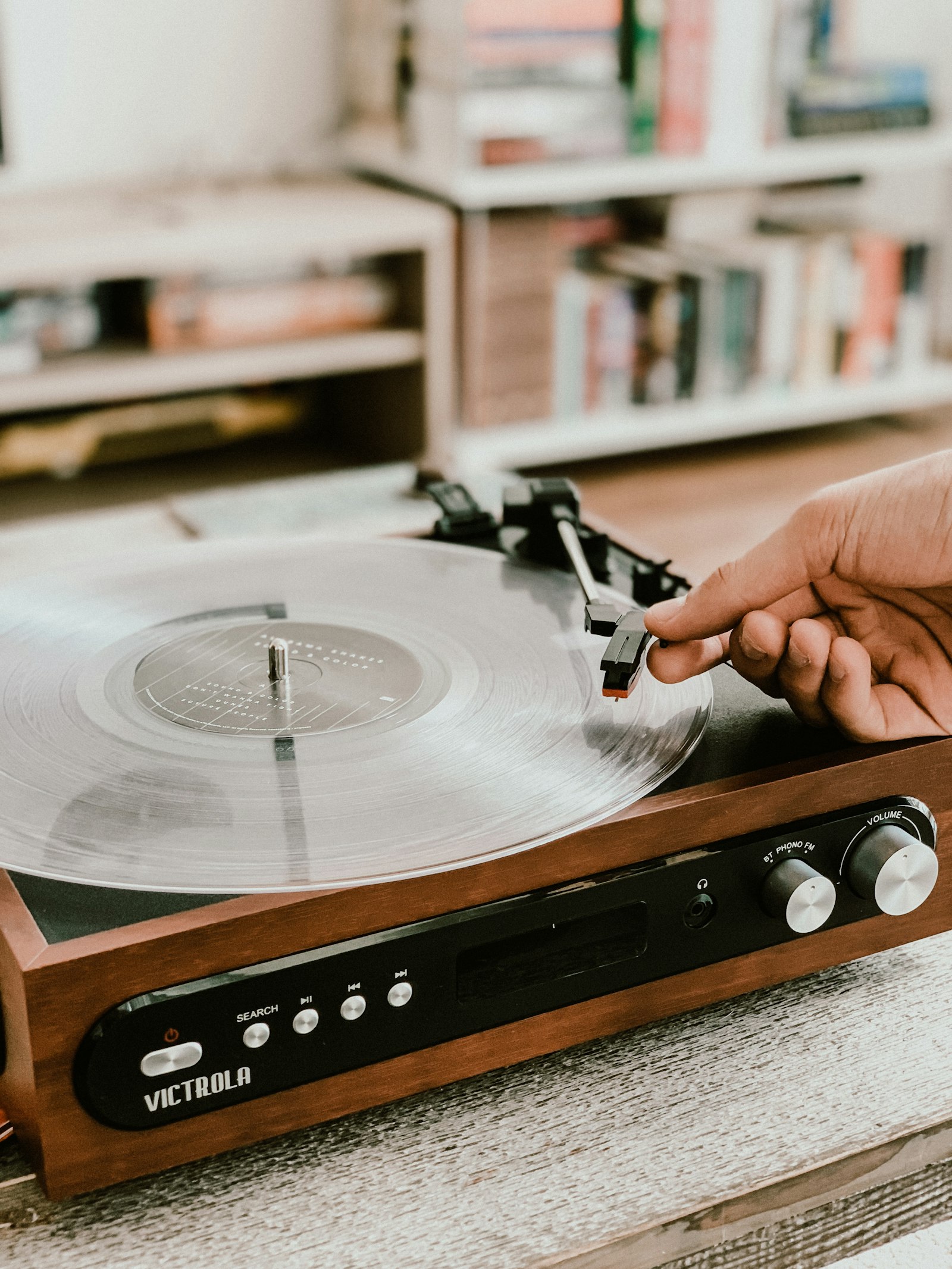
No Shuffle: In Defense of Playing the Whole Album, In Order
Shuffle is the default now, and it costs us more than we admit. A small case for dropping the needle at track one and just staying there until the record's done.

The Gang Vocal Is an Open Invitation
Somewhere in the last chorus, one voice becomes six, and suddenly the song isn't being performed at you anymore — it's being offered to you. No other studio trick recruits an audience quite so efficiently.
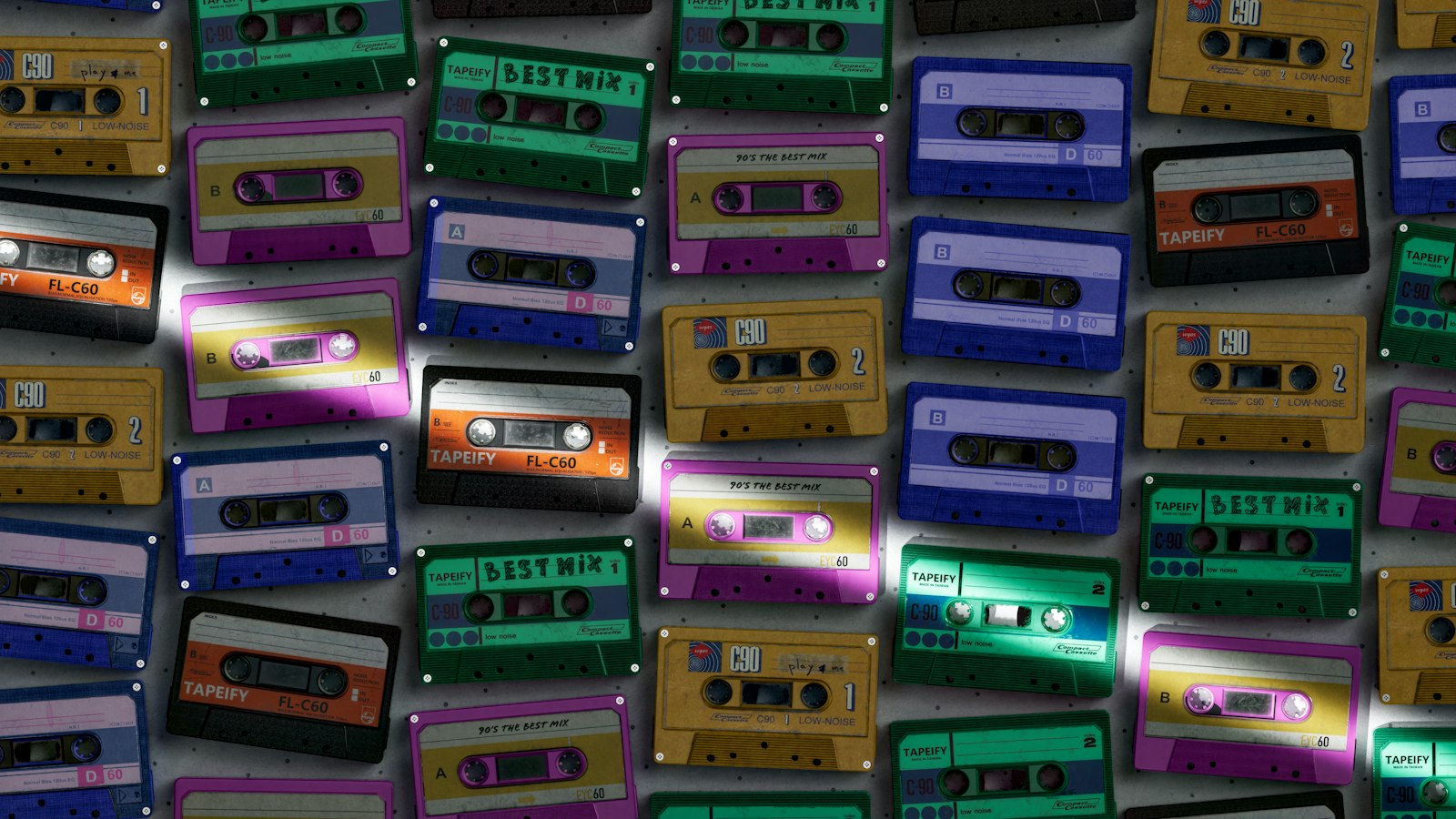
The Mixtape Is Still the Best Love Letter We Know How to Write
No cassette required. The mixtape survived the format it was named after because the format was never really the point — the point was someone staying up too late trying to say something they couldn't say out loud.
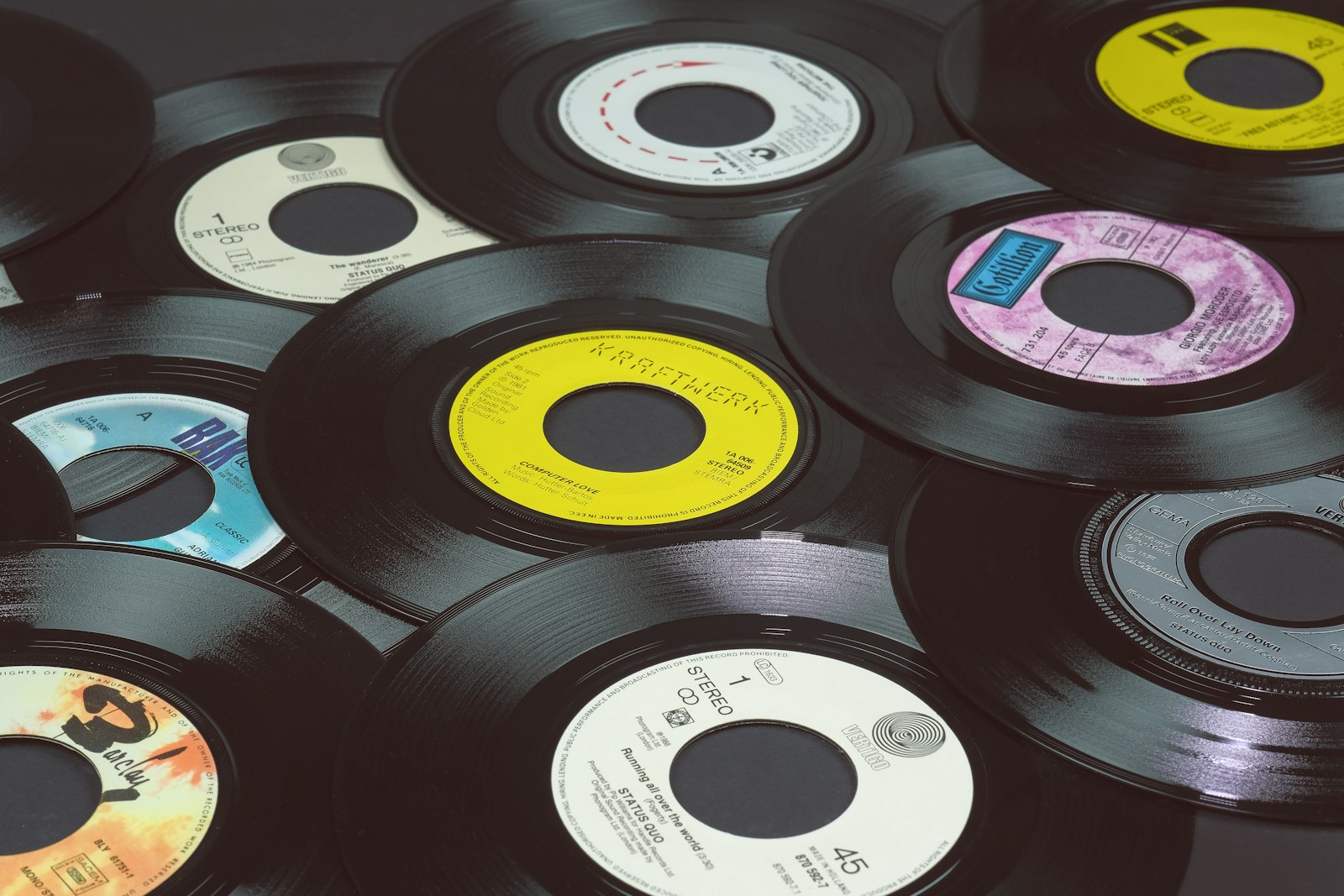
In Praise of the B-Side (Where Bands Go to Get Weird)
Flip the single over and you're not in the hit anymore — you're in the room where the band actually lives. The B-side never had to prove anything, and that's exactly why it usually did.
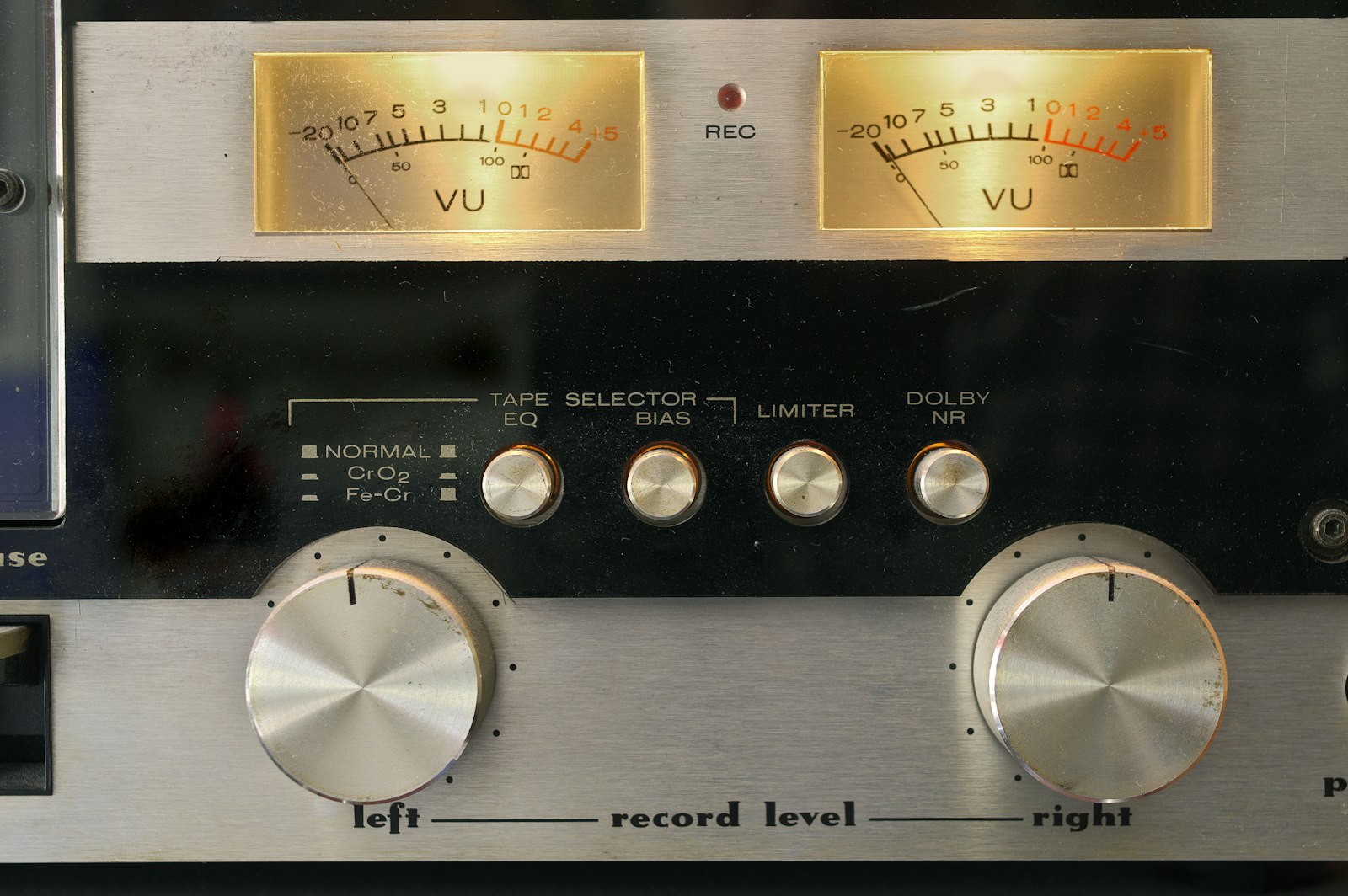
The Loudness War Is Over, and Dynamics Won
Streaming platforms quietly turned every brickwalled master back down to size. Mastering engineers got their headroom back, and nobody even had to fight for it.

The Soundcheck Is the Most Honest Show You'll Never See
An empty room, one snare drum getting hit forty times in a row, and a band figuring out who they are before anyone's watching. It's the best free show in town — you just have to sneak in.
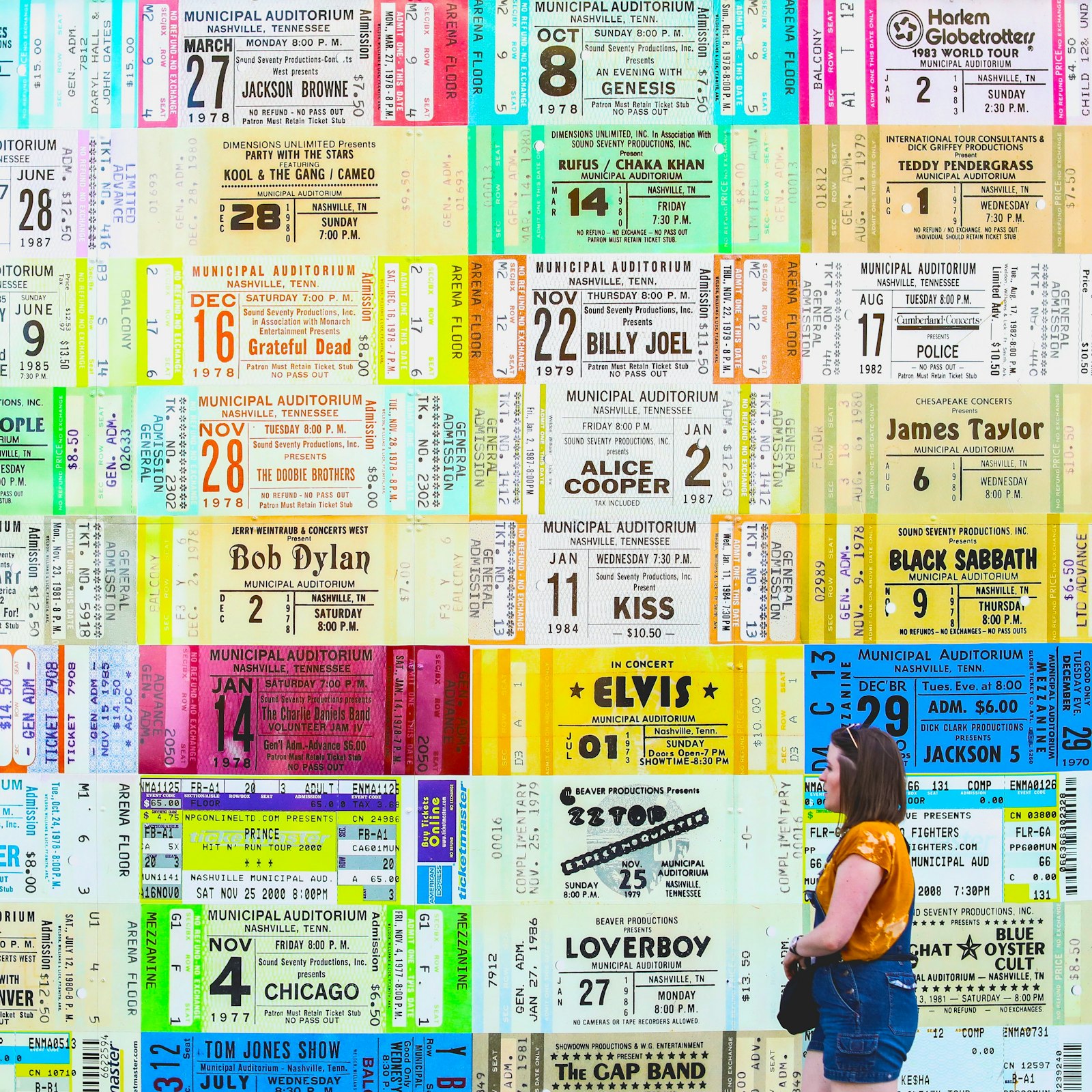
The Gig Poster Is the Last Great Underground Art Form
Screen-printed, stapled to a telephone pole, gone in a week — and somehow still one of the purest art economies left. A defense of the poster nobody was supposed to keep.
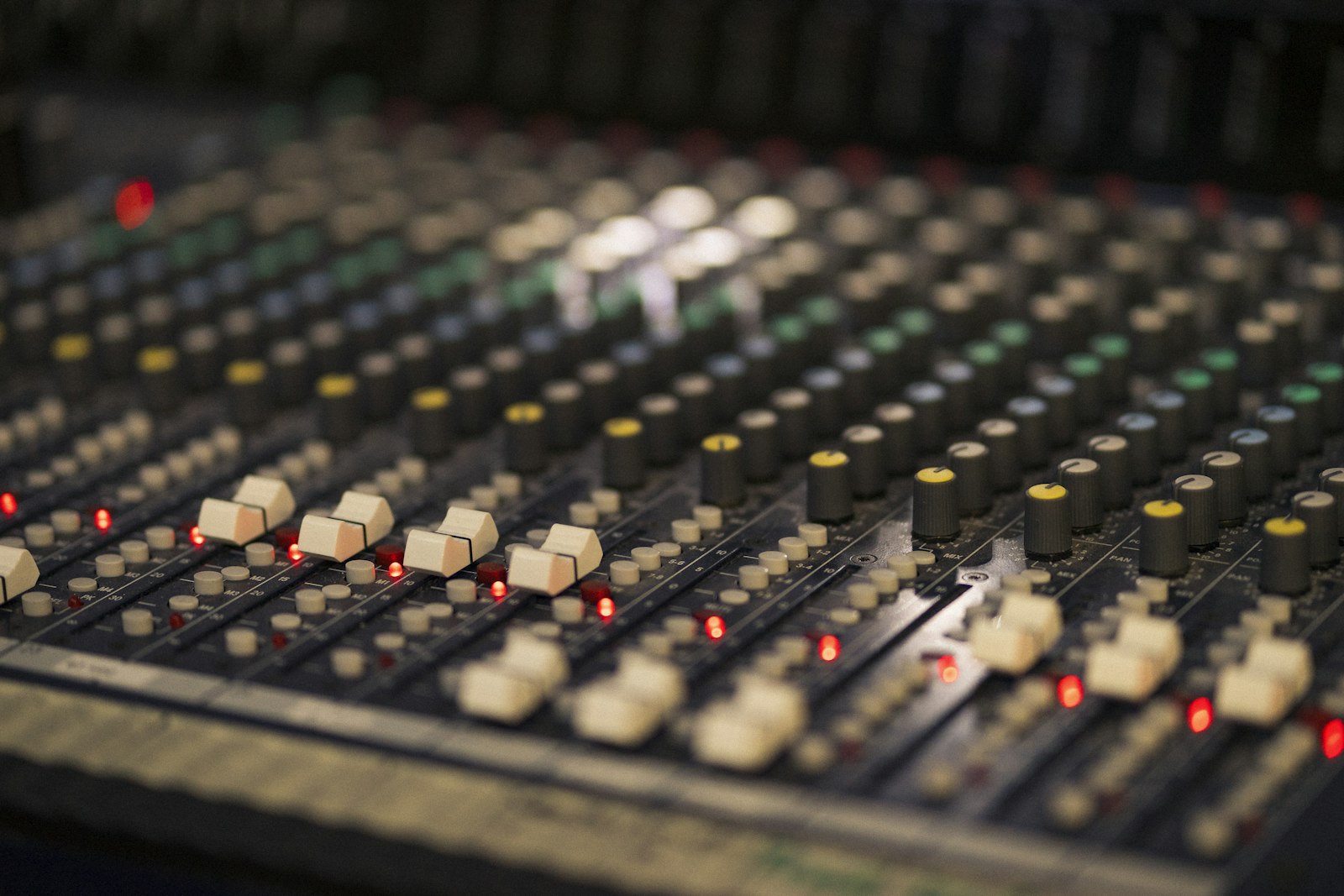
The Fade-In Is an Invitation
A song that arrives out of silence, one flicker at a time, is asking something a cold open never bothers to: are you ready yet? Take the extra three seconds.
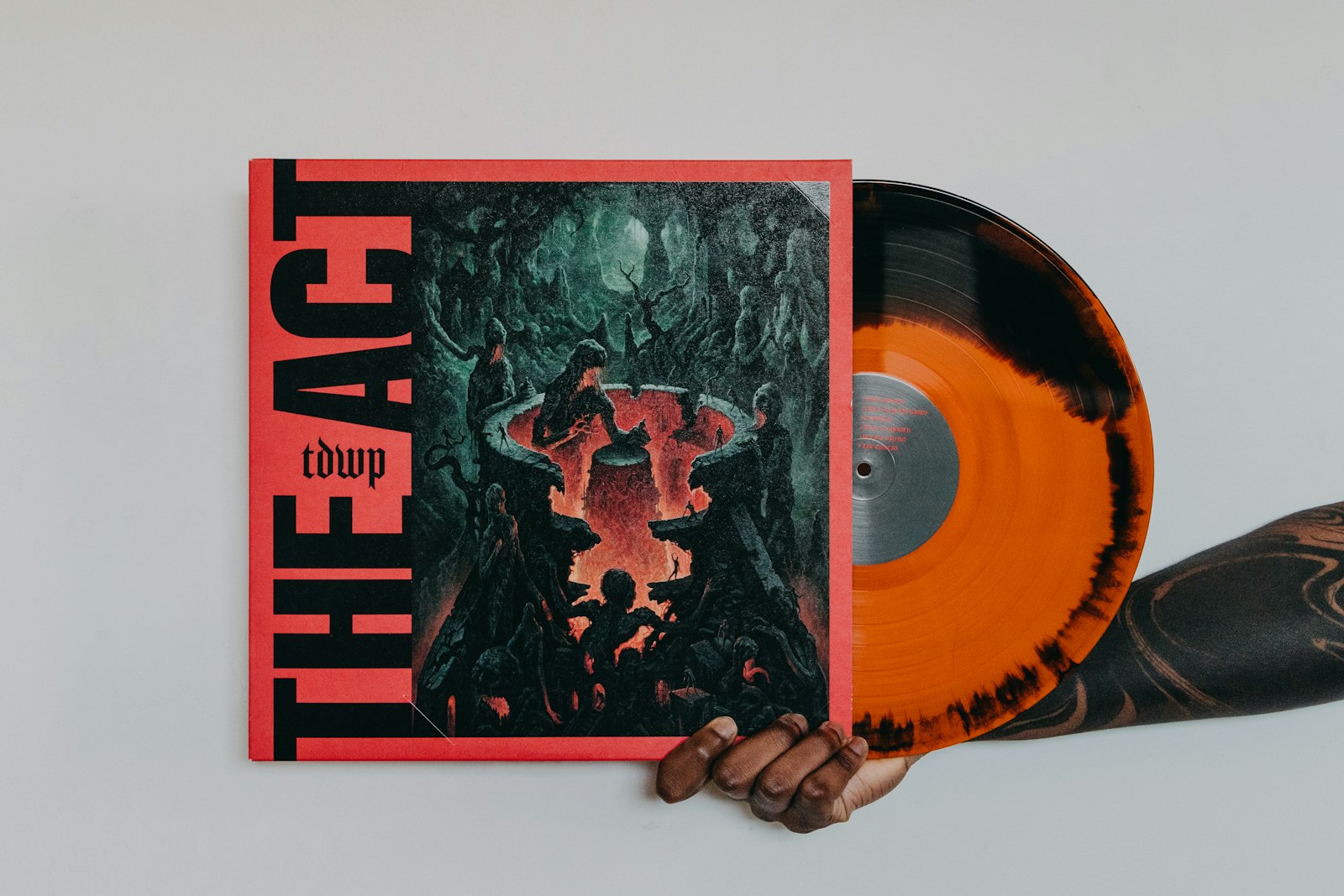
The Liner Notes Still Matter
Nobody reads the thank-you list for the plot. They read it because somewhere in twelve-point type is proof that the record was made by actual, specific people who cared enough to say so.
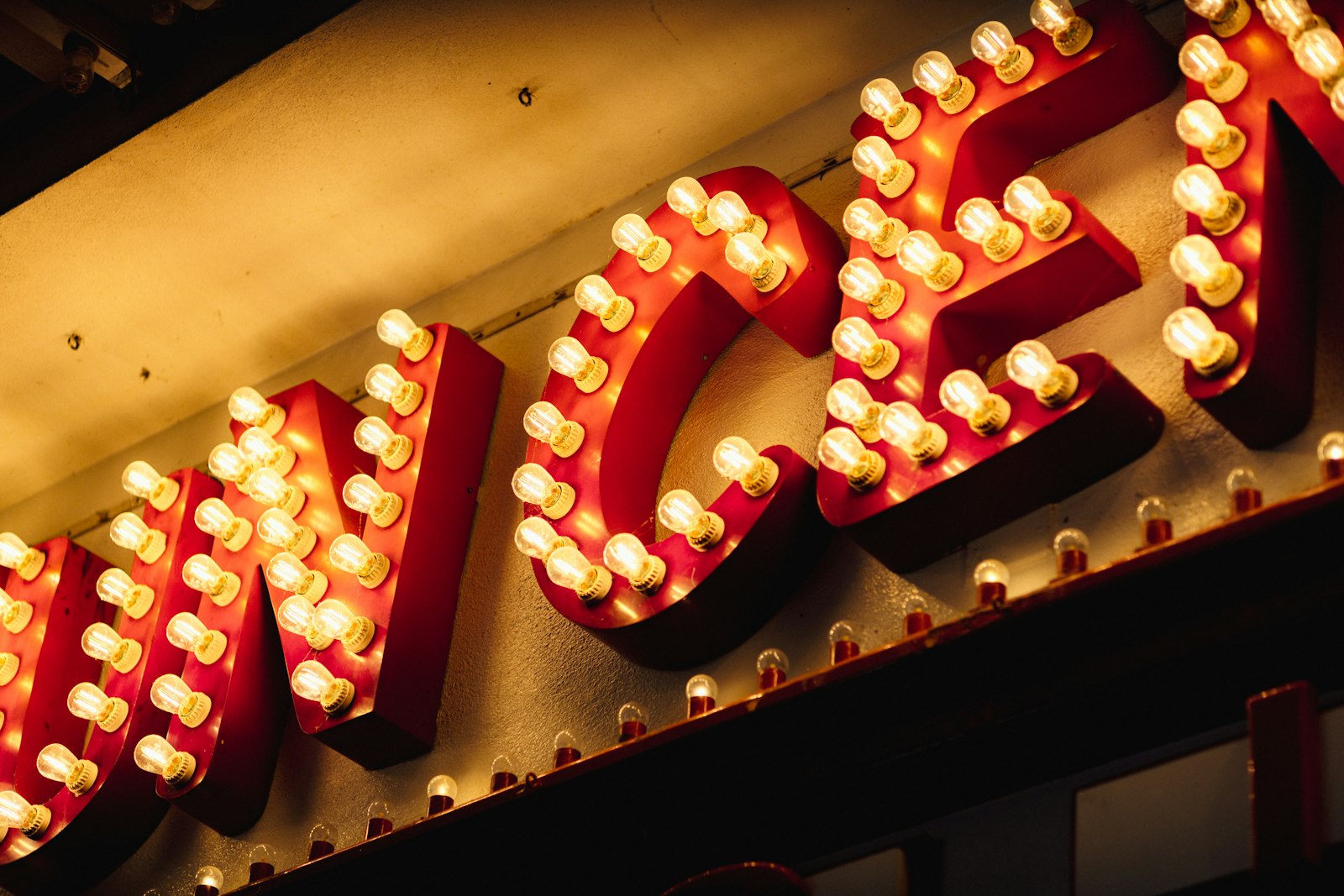
In Defense of the Terrible Band Name
Nobody sits down and invents a good band name. They stumble into a bad one, say it out loud enough times, and eventually it just is the band.

The Deep Cut Request Is an Act of Faith
Somebody always yells for the song that isn't on the setlist. Here's why that's one of the purest things left in live music.
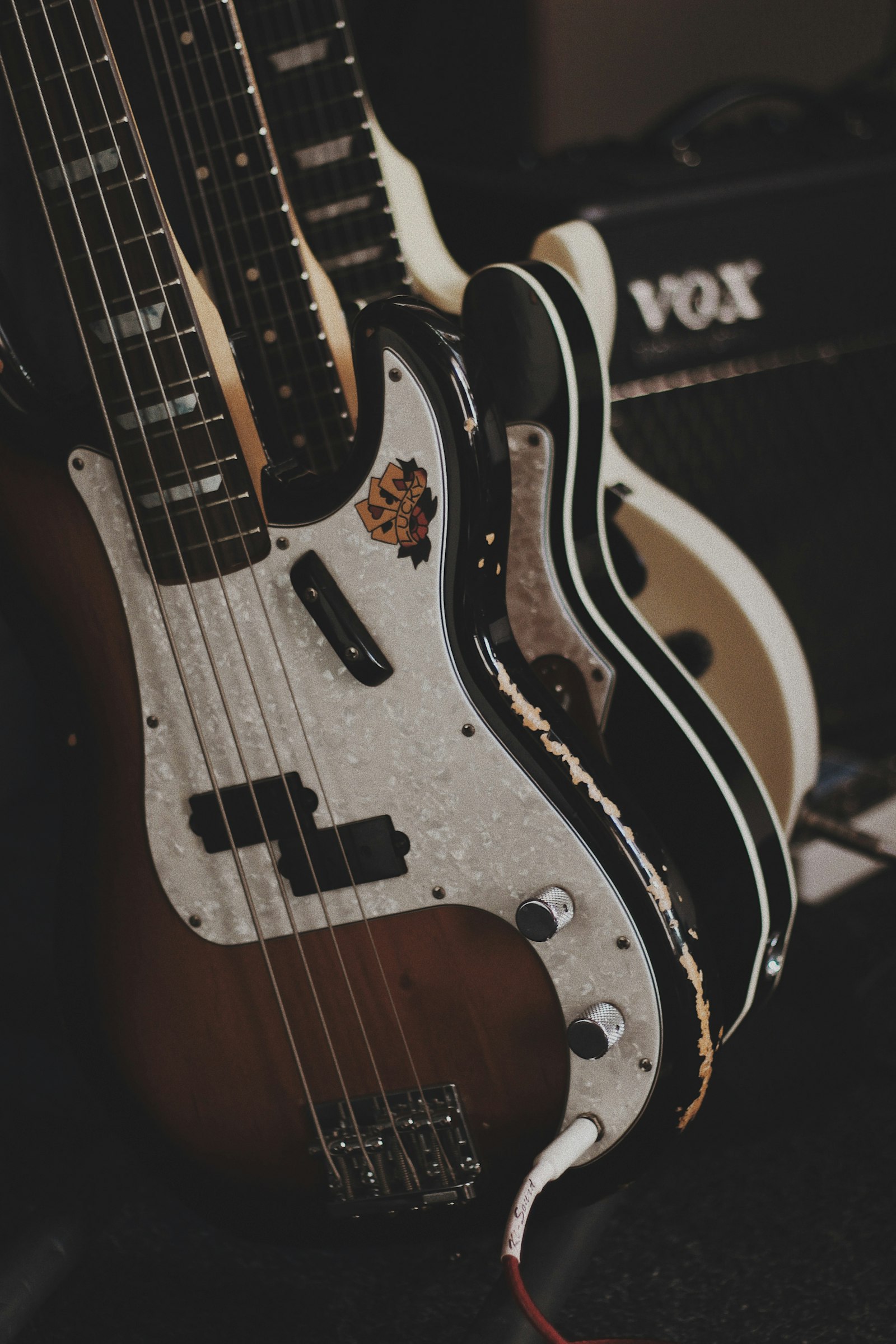
The Bassline Is the Quiet MVP
The guitar gets the poster, the vocal gets the lyric sheet, and the bass just keeps the whole building from falling down. Time to say its name.

The Lyric You Misheard and Loved Anyway
In defense of the mondegreen — the wrong words that somehow said it better than the right ones ever could.

The Pit Is a Promise
From the outside it looks like chaos. From the inside it's the most carefully negotiated agreement in live music — and every stranger in it just signed on.
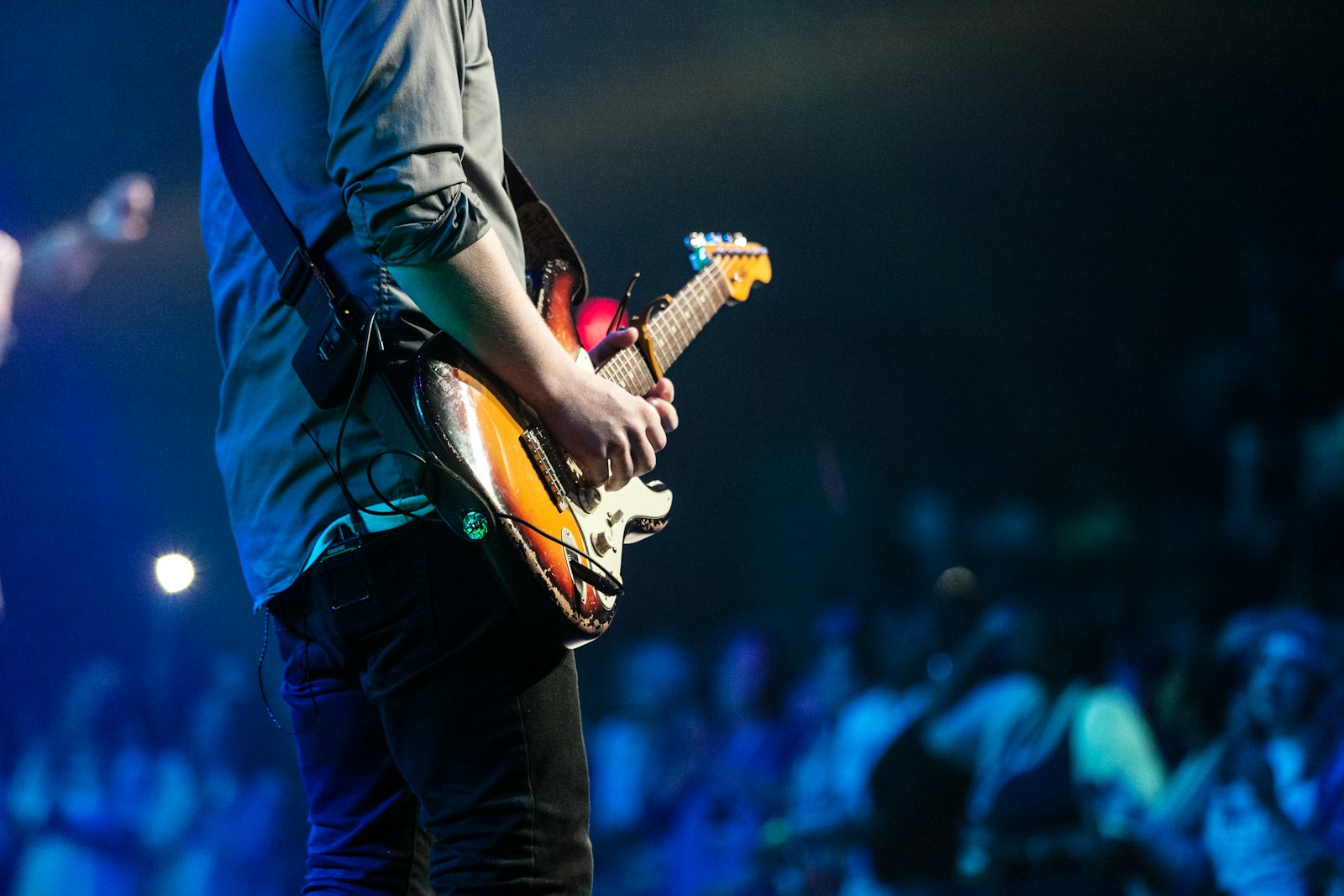
The Guitar Solo Needs No Apology
Somewhere along the way it became cool to be embarrassed by the guitar solo. We're not doing that here.
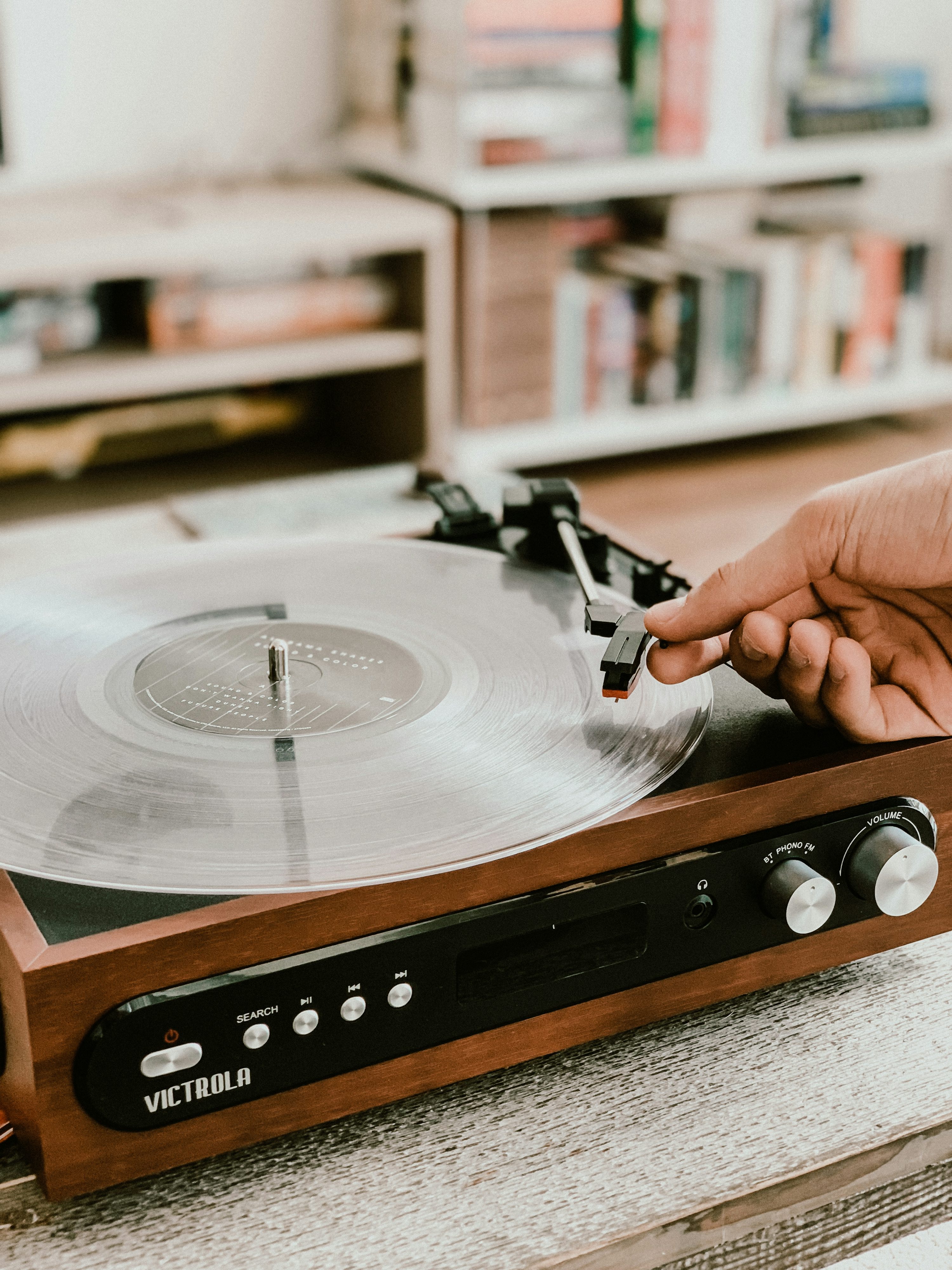
The Album Opener Is a Handshake
Track one doesn't have the luxury of easing in — it has about thirty seconds to convince you the next forty minutes are worth your attention. A case for treating the opener as its own art form.
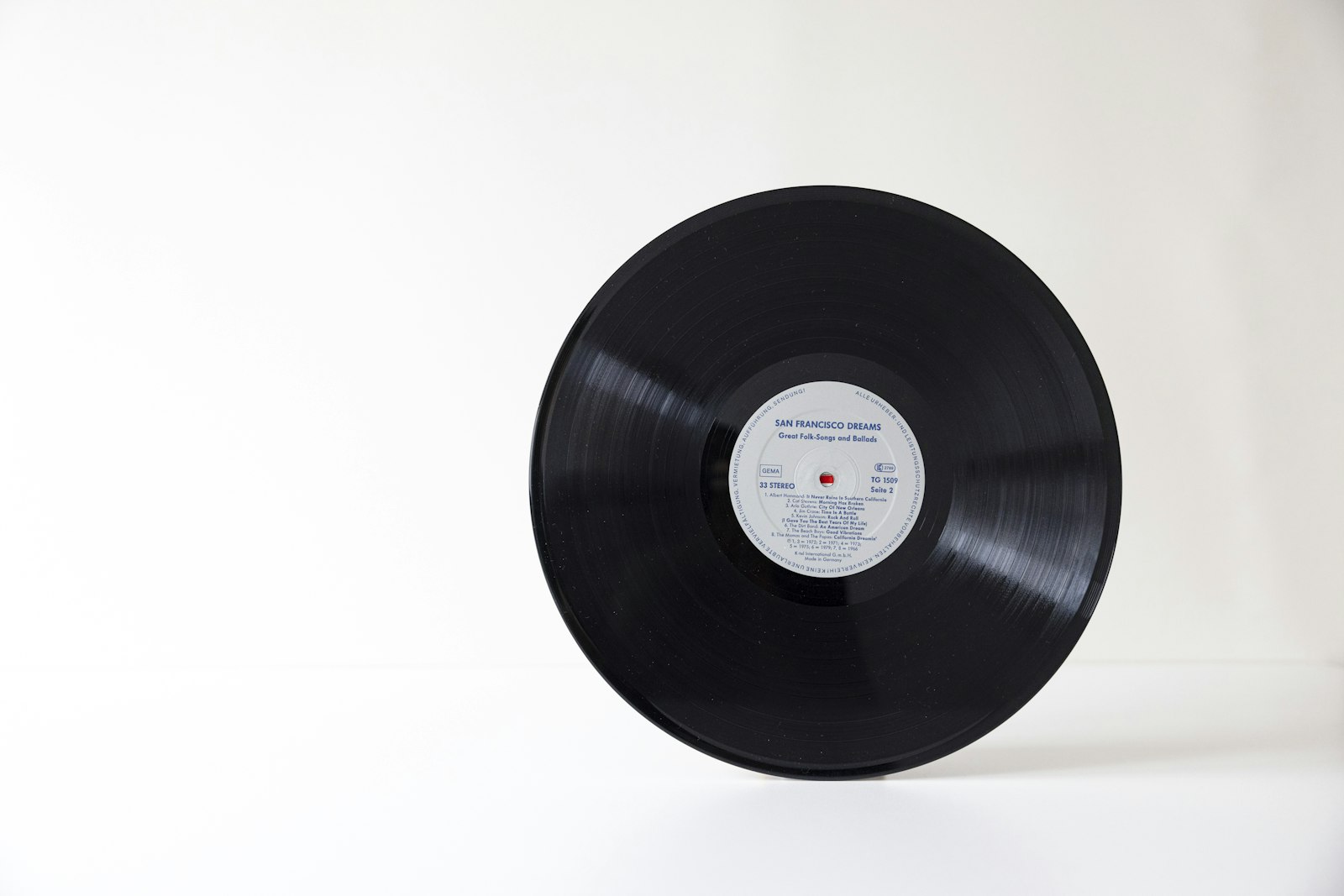
The Runout Groove Is Where Vinyl Gets Personal
Past the last song, before the label sticker, there's a strip of blank-looking vinyl that isn't blank at all. Mastering engineers have been scratching jokes, dedications, and tiny arguments into it for fifty years.
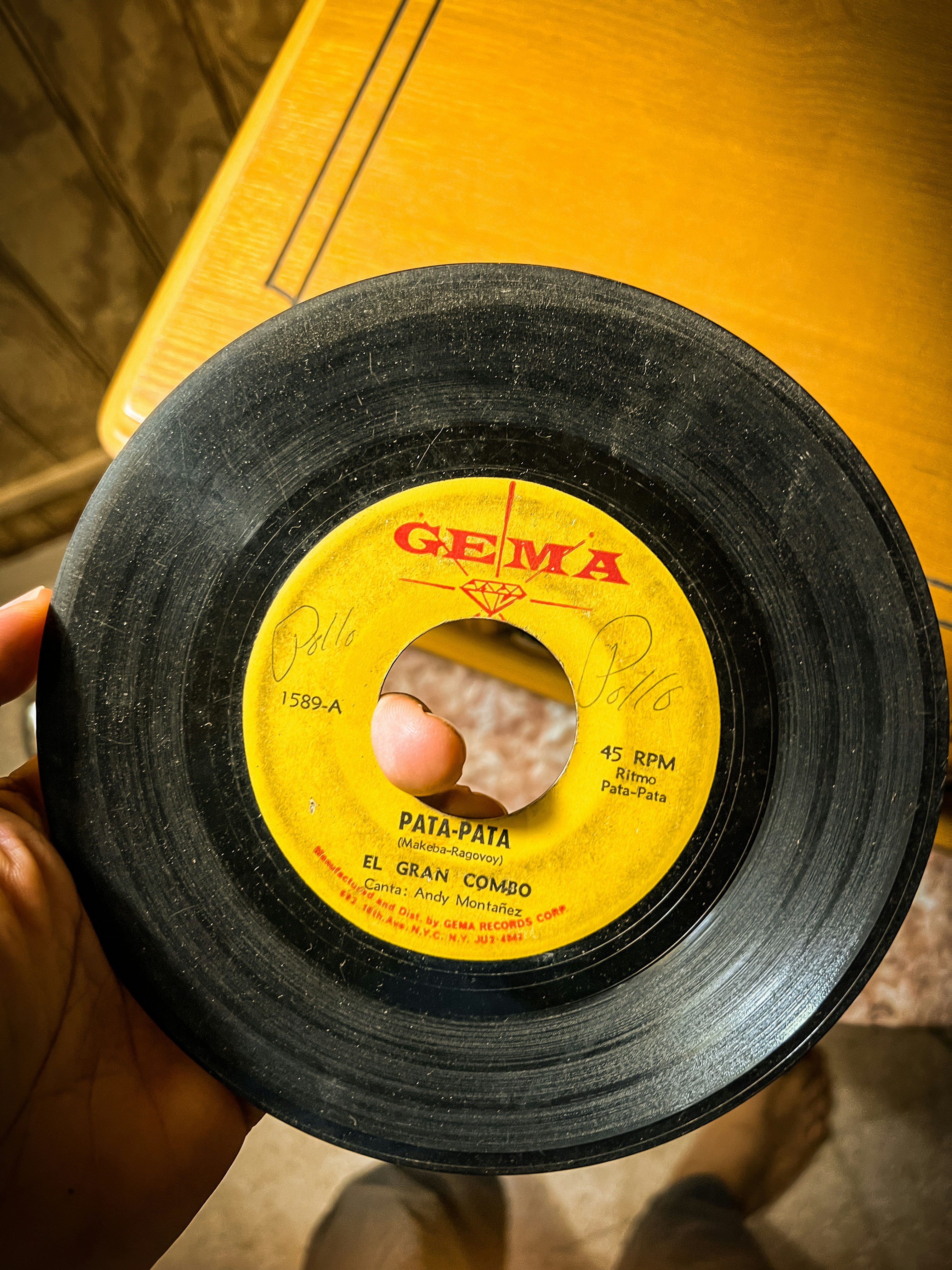
The B-Side Was Never Filler
The song that didn't make the album is where a lot of bands did their best, loosest work — no pressure, no lead-single math, just tape rolling and nothing to lose.

The Group Chat Is the New Radio
Algorithms get all the credit and all the blame, but for most of us the real discovery engine is still a friend texting 'listen to this' at 11pm.

The Hidden Track Is the Album's Best-Kept Secret
Everyone says silence means the album's over. The good ones know better — a few minutes of dead air, and then one more song was waiting there the whole time.
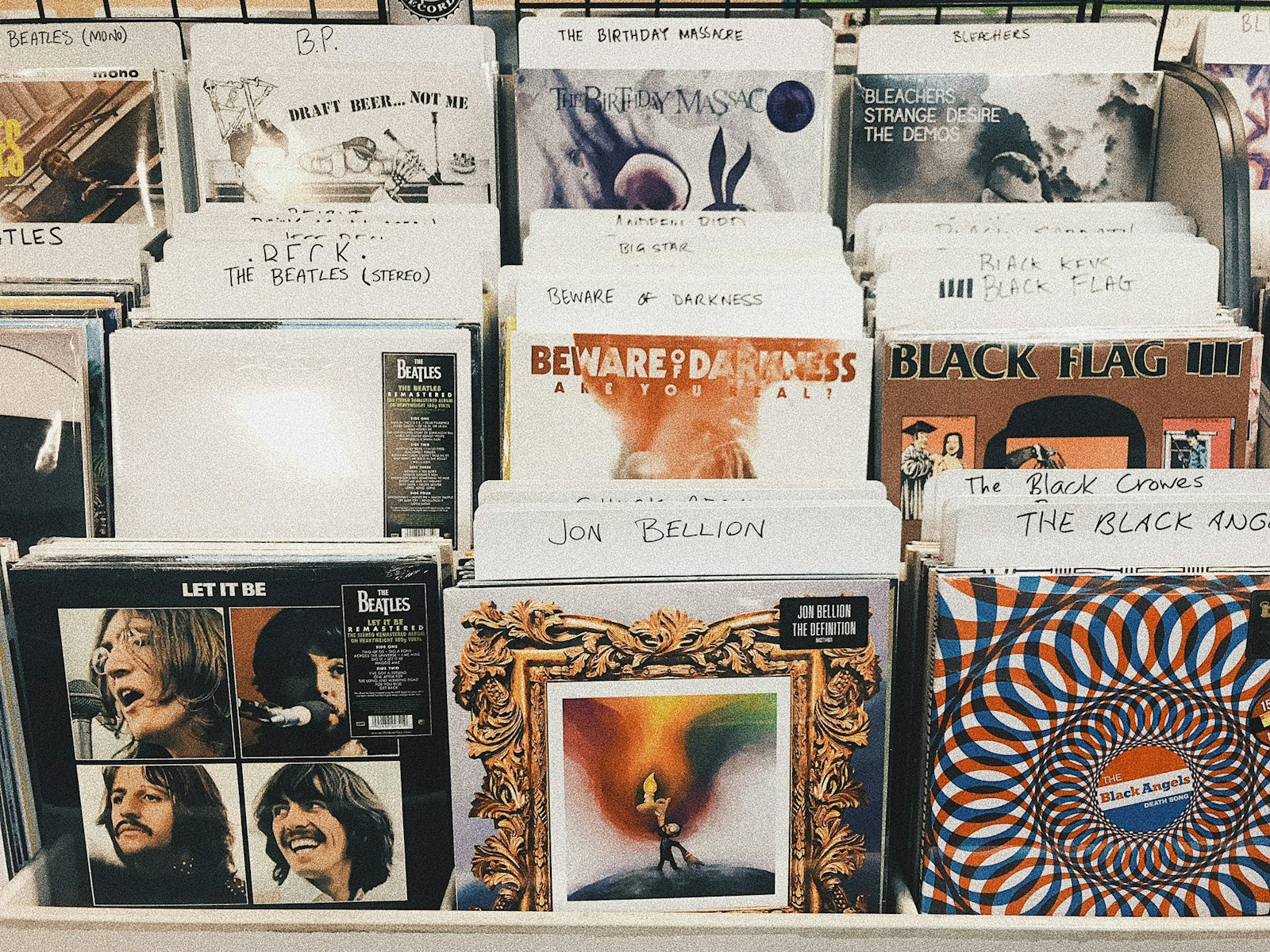
Liner Notes Are Love Letters
Before streaming flattened the credits into a scroll nobody reads, liner notes were where bands said thank you out loud. That instinct hasn't disappeared — it just moved.
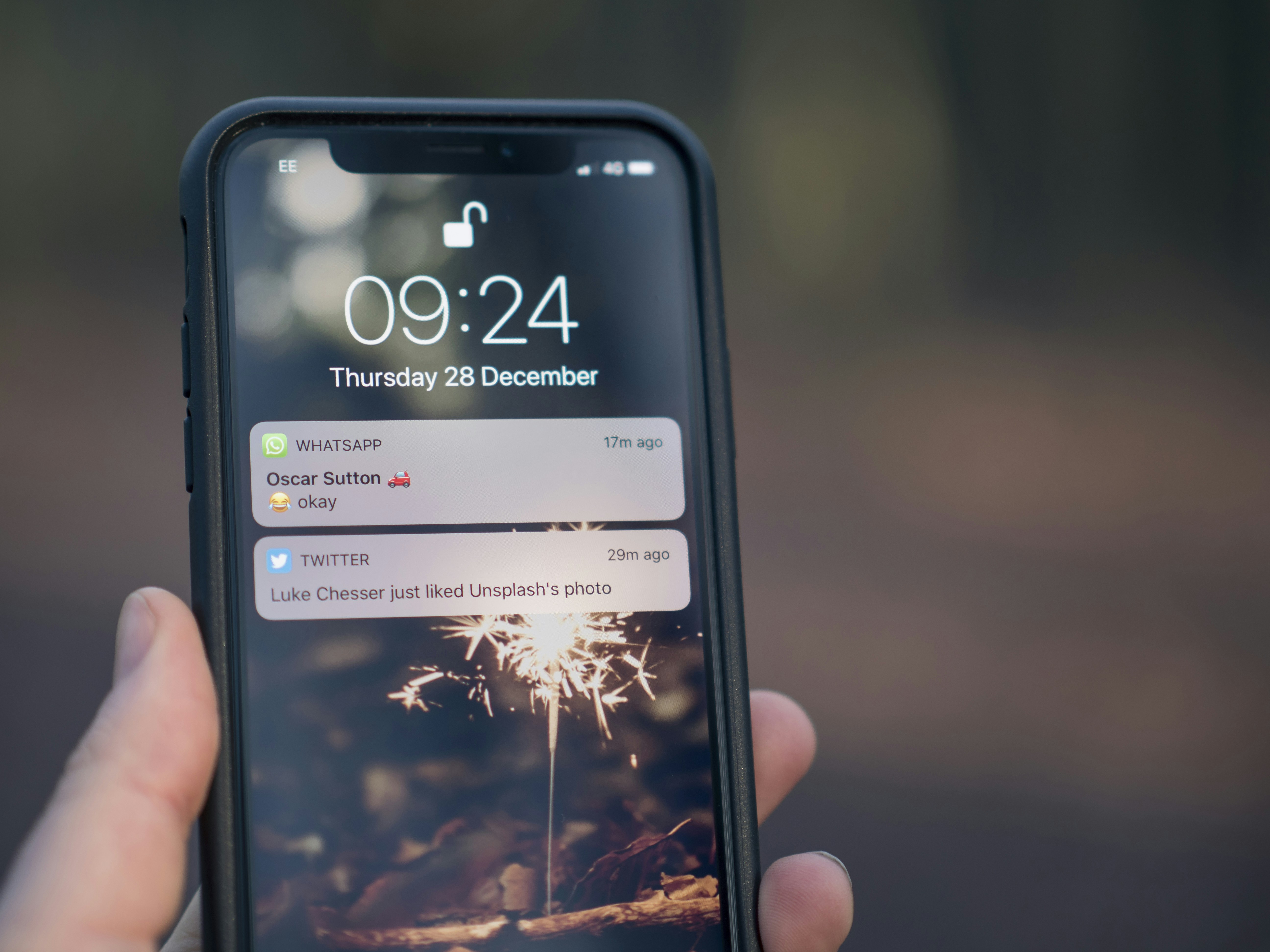
The Surprise Release Is Music's Last Great Plot Twist
No rollout, no lead single, no six-week countdown clock — just a link at midnight and a fanbase losing its mind in real time. In an industry built on advance notice, the ambush drop is still the biggest thrill going.

In Praise of the Key Change (The Moment the Song Stands Up Straighter)
Somewhere around the final chorus, the whole song lifts a half-step and stands up straighter. It shouldn't work as often as it does. It always works.
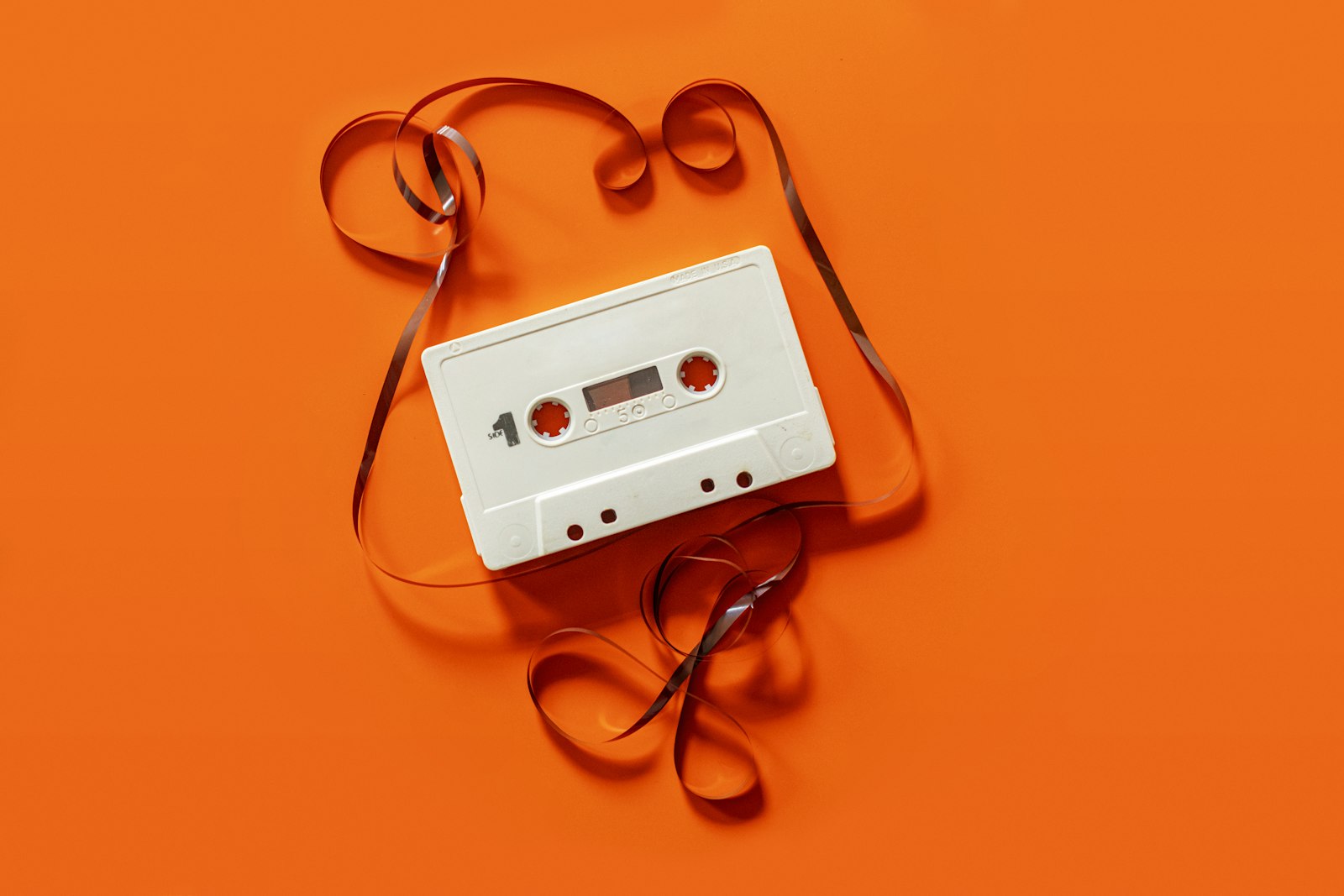
The Mixtape Never Really Died, It Just Changed Formats
Cassette, CD-R, shared Spotify link — the format keeps changing, but the impulse behind it hasn't moved an inch. Somebody wants you to hear this, in this order, right now.
The Reprise Is the Only Callback That Actually Works
A melody shows up in track two, disappears for forty minutes, and then quietly returns in track eleven — and somehow that's the moment the whole record clicks into place.
The Long Fade-Out Is a Trust Fall, and Great Bands Still Do It
Streaming trained us to expect a hard stop at 3:15. The best records still let the last chord ring, decay, and disappear on its own schedule — and that patience is the whole point.

The Fake-Out Ending Is Pop's Best Practical Joke
The band lets the song go quiet, lets you reach for the volume knob, and then brings the whole thing roaring back. It shouldn't work every single time. It does.
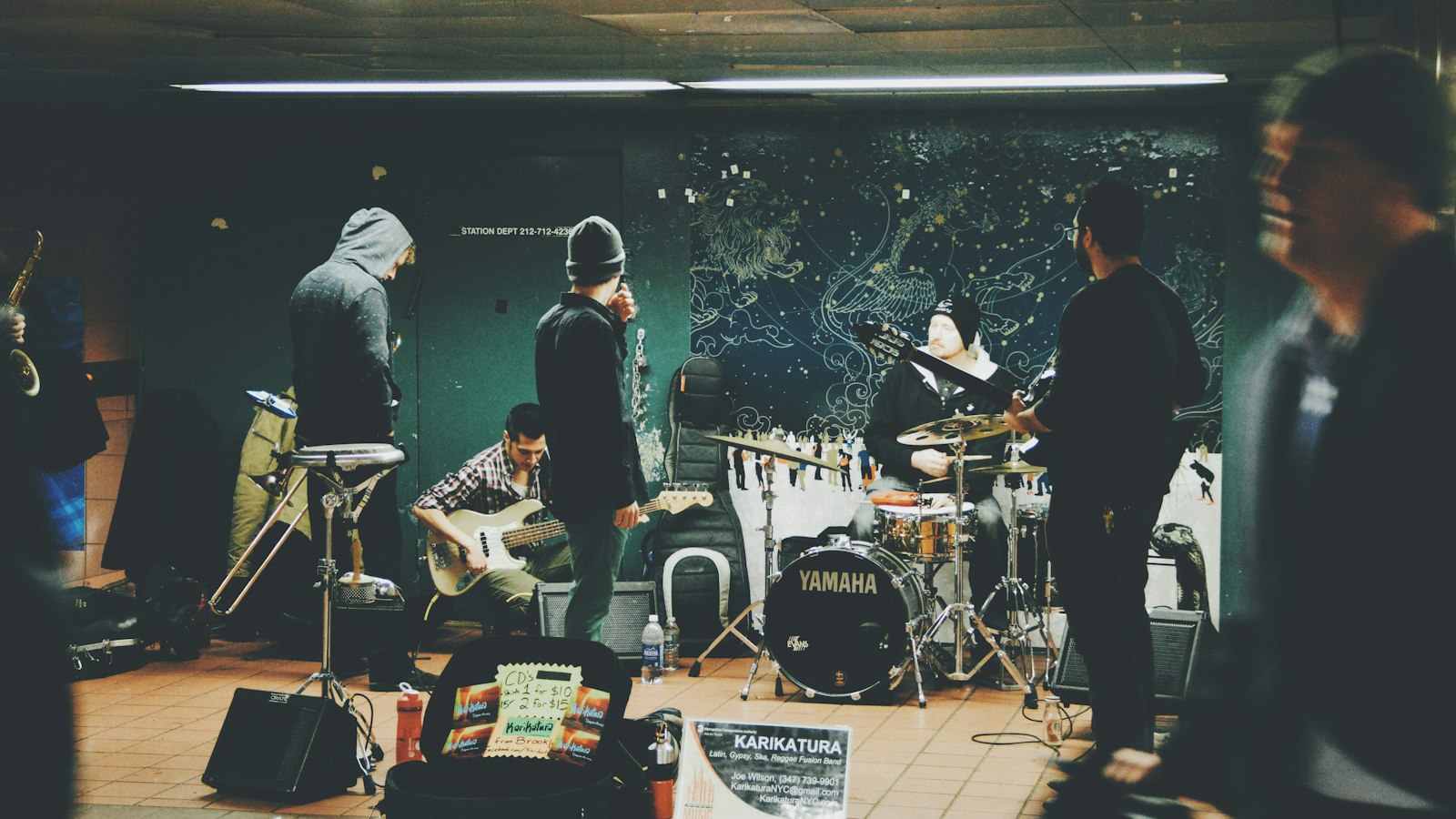
Every Great Band Started in Somebody's Basement
Before the arena tour, before the record deal, before the merch line — there was a folding table, a borrowed PA, and forty people who showed up anyway.
In Defense of the Key Change
The most maligned trick in songwriting is also one of the most reliable ways to make a room feel something. A case for the modulation nobody admits to loving.
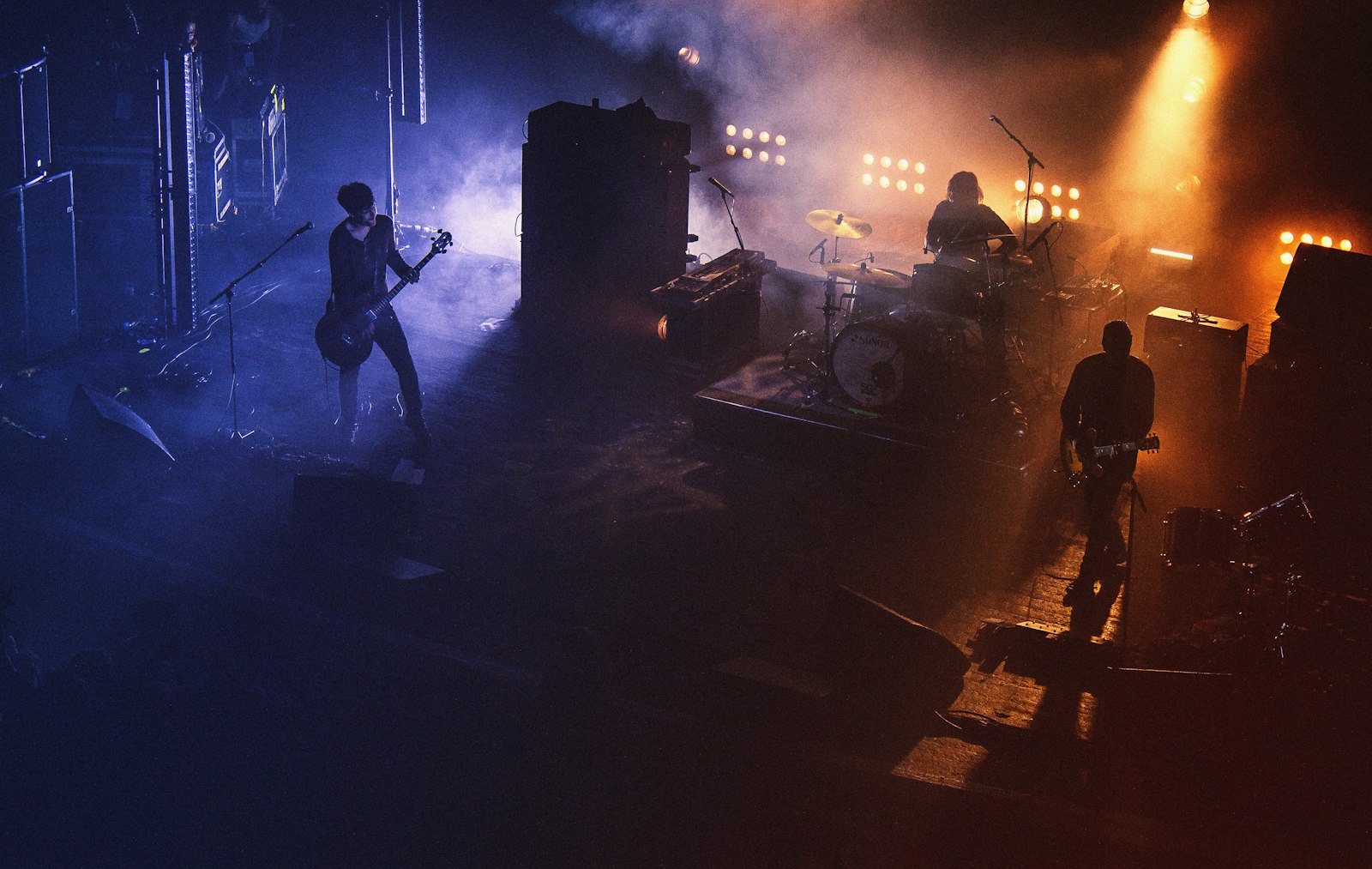
In Praise of the Backing Band (The Best Records Are a Group Effort)
The singer's name goes on the spine. The record only works because of everyone whose name you had to go looking for.
In Praise of the Interlude (The Best 90 Seconds on the Record)
No hook, no chorus, no lyrics half the time — the interlude is the least marketable minute on the record, and one of the most important.
The Hidden Track Is Still Music's Best-Kept Secret
Ten minutes of silence, then a ghost of a song creeps back in. The hidden track never made sense as a business decision. That's exactly why it still delights.
In Praise of the Closer (The Last Word Gets to Be Right)
Track one gets the handshake. The closer gets the last word — and the best albums know exactly what to do with it.

The Last Song Is a Promise
Album closers get a fraction of the attention singles do, but the last track is the one that decides how the whole record sits with you tomorrow.
The Handwritten Staff Pick Is Still the Best Algorithm
No streaming recommendation engine has ever out-performed an index card taped under a record, written by someone who actually stayed up late with the thing.
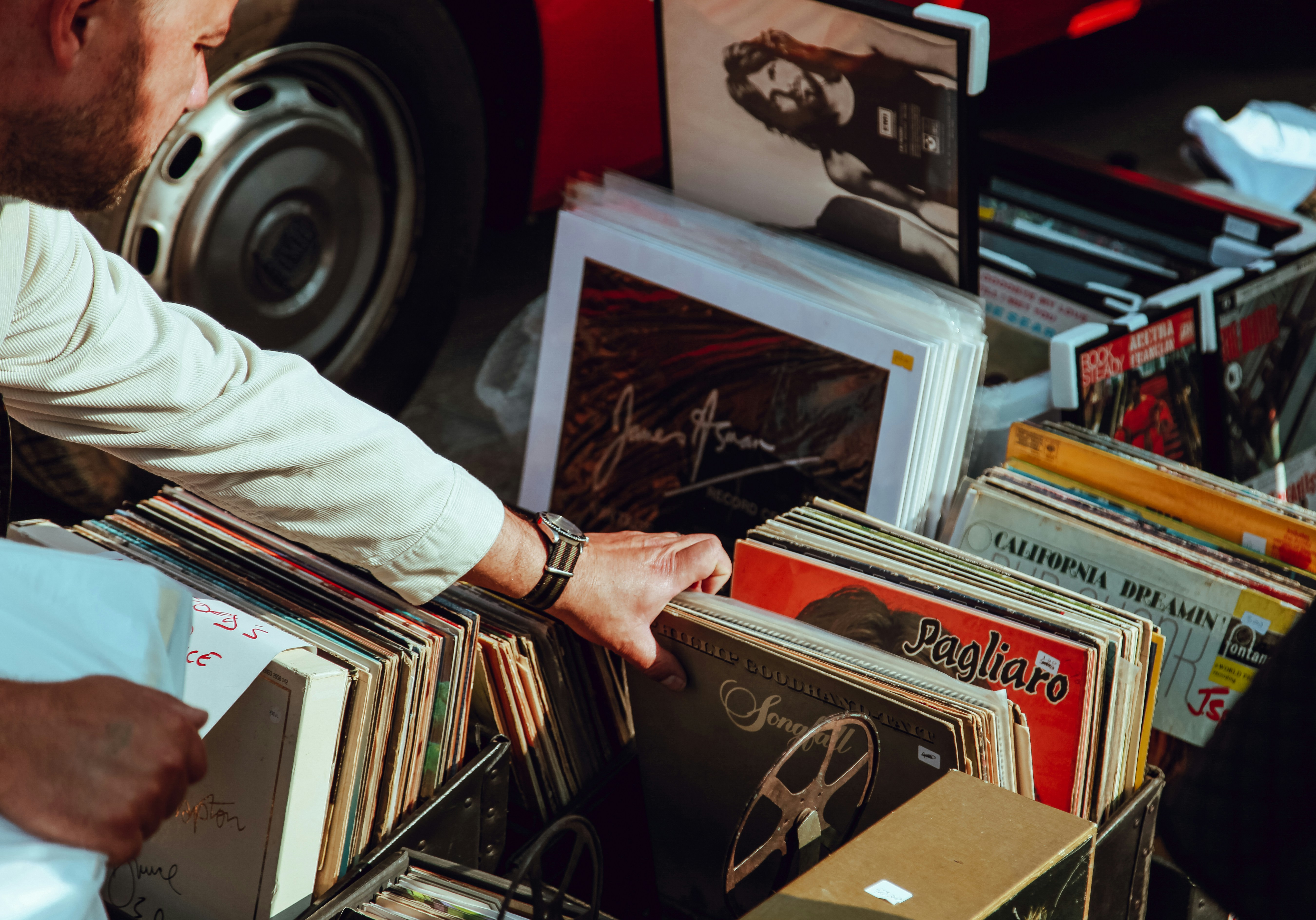
The Merch Table Is the Last Honest Transaction in Music
No algorithm, no middleman, no subscription tier — just a folding table, a cash box, and a shirt that says you were there. It might be the purest exchange left in the whole business.

In Praise of the Bridge (The Best Eight Bars in Pop Music)
The verse hooks you and the chorus sells you the song. But the bridge is the part that earns it — the eight bars where a track stops repeating itself and actually goes somewhere.
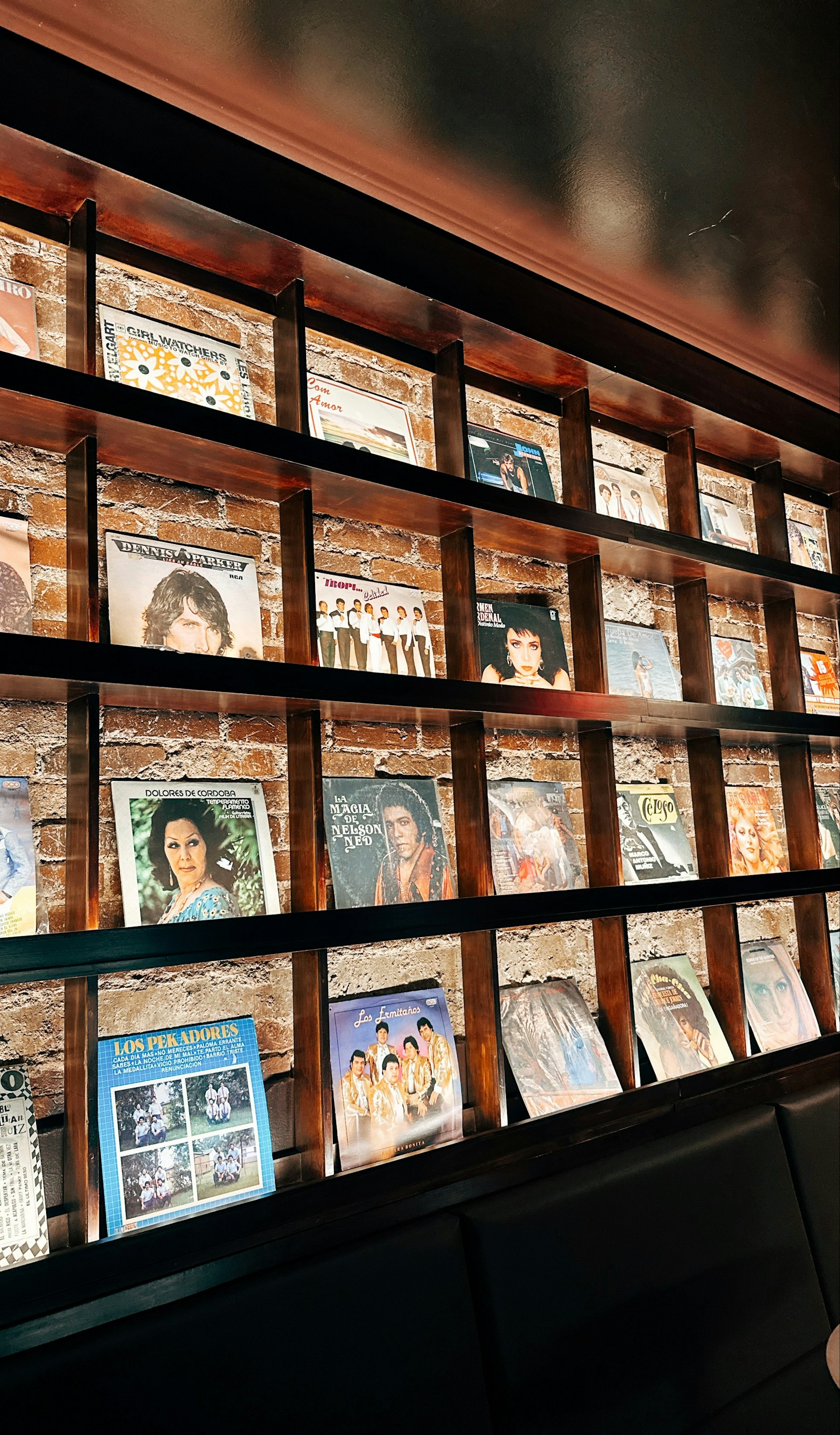
The Cover Art Is the First Song on the Record
Before a single note plays, the sleeve has already told you how to feel. A defense of album artwork as the most underrated instrument in the room.
In Defense of the Encore (Yes, We Know It's Staged)
The band already knows what they're playing next. We already know they're coming back. And somehow the lights-down, chant-until-they-return ritual still works every single time.
The Deluge Problem: When Too Much Great Music Drops on the Same Friday
Some New Music Fridays hand you eleven great records at once. That's not a scheduling failure. That's an embarrassment of riches, and we should treat it like one.

The Cover Song Is a Conversation
A great cover isn't a copy and it isn't a theft. It's one musician leaning over to another across the years and saying: here's what I heard in this.

The Best Discovery Engine Is Still the Opening Act
No algorithm has ever matched the feeling of a stranger walking onstage at 8pm and rearranging your whole year.

Show Up for the Opener
The first band on the bill is playing the hardest set of the night to the emptiest room. Getting there early is the cheapest magic in live music.
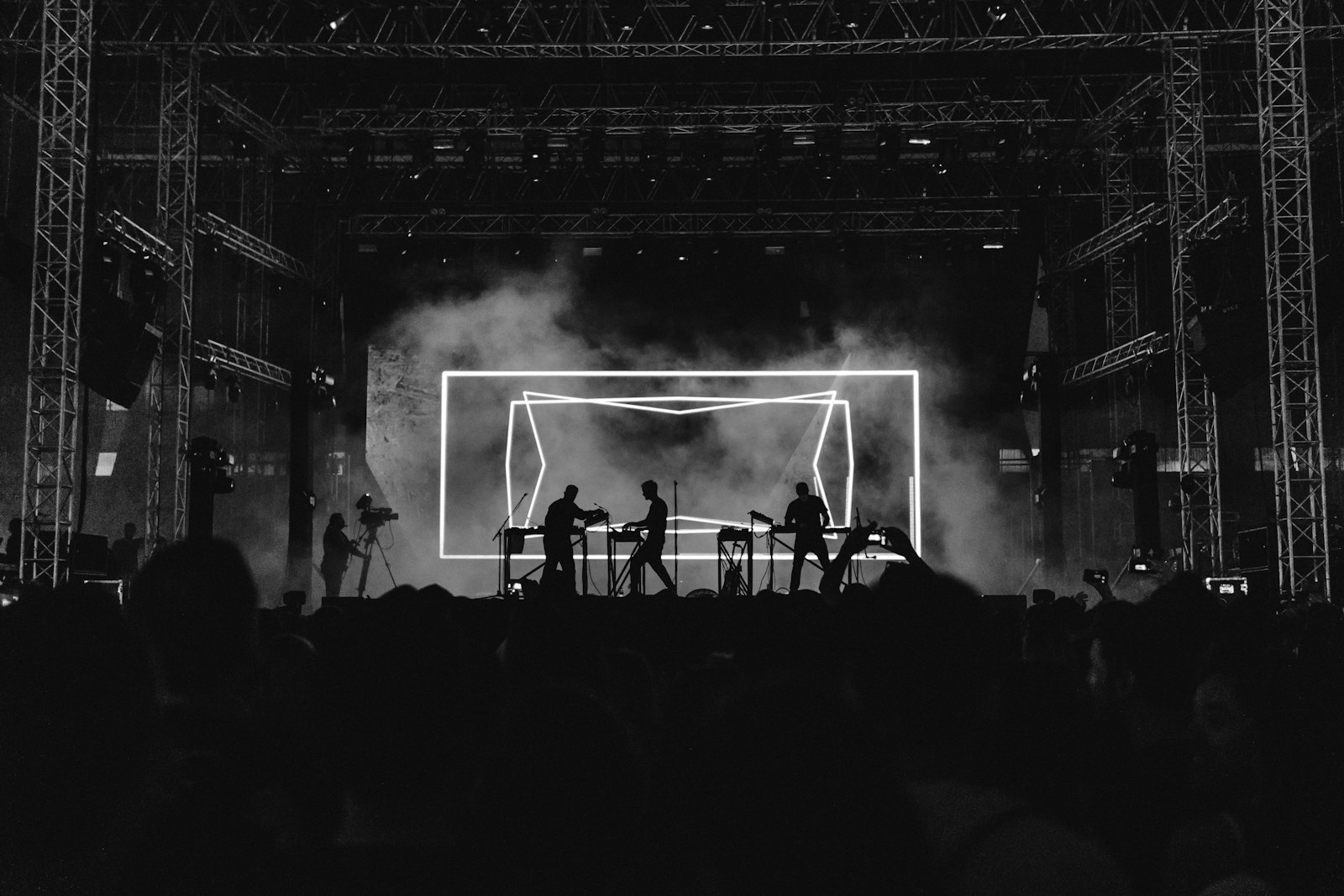
The Case for the Mystery Band
In an era when every artist is expected to be a content channel, the bands who tell you nothing are giving you a gift.
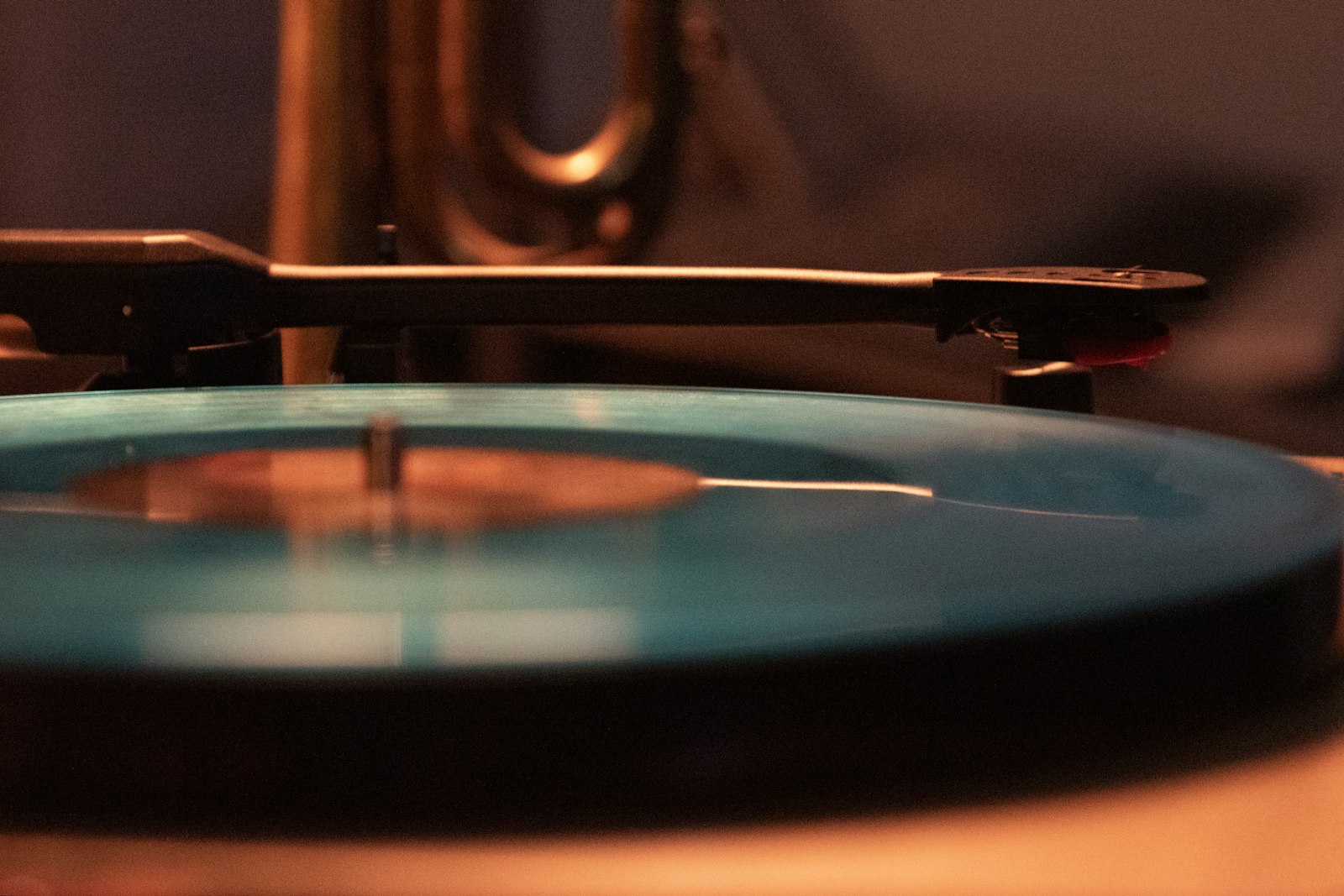
Give It Three Listens: In Praise of the Grower
The records that stay with you for decades rarely grab you on the first spin. In defense of the slow-burn album — and against the tyranny of the instant verdict.
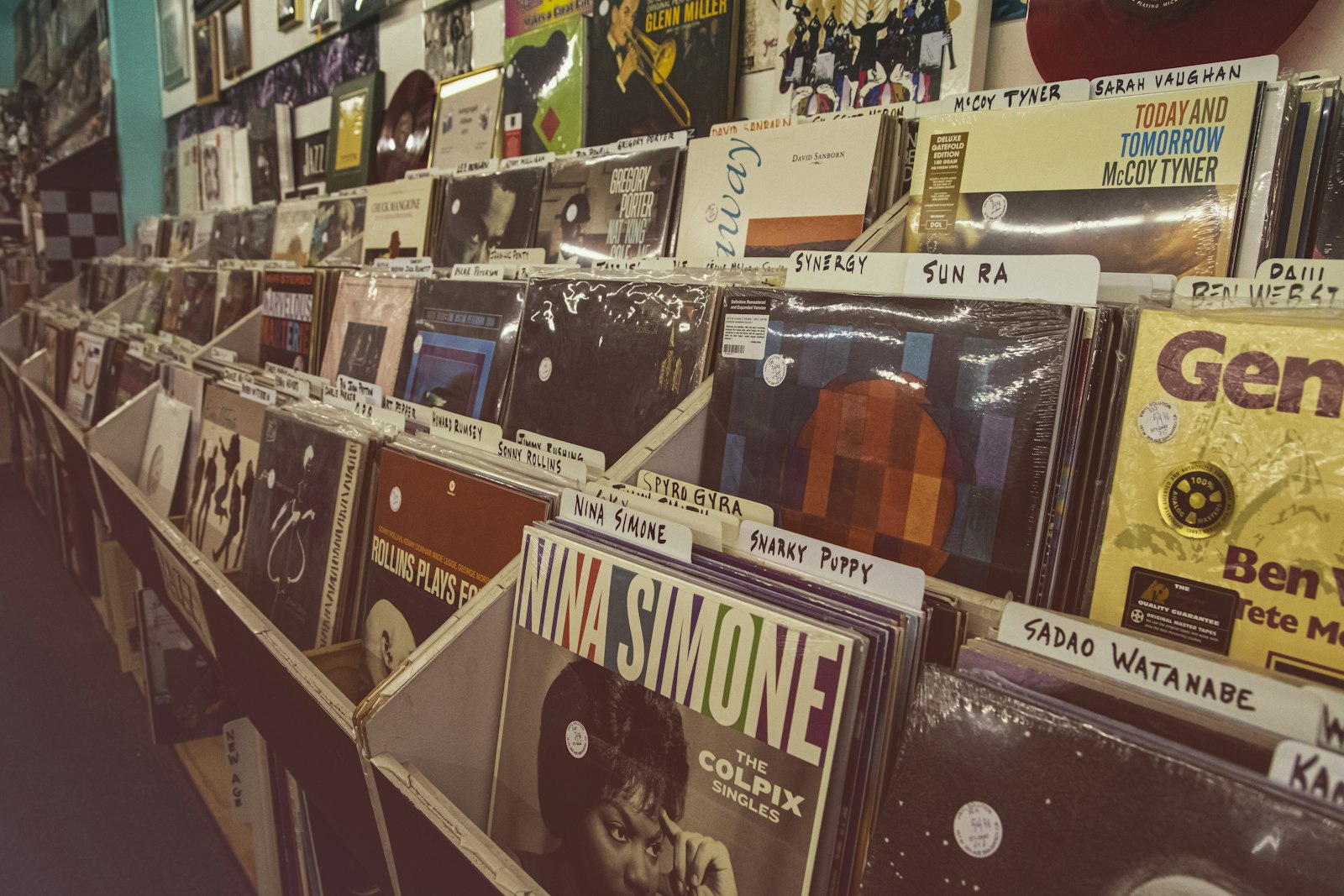
Eight Records That Made June 2026 Ridiculously Good
Rap over live amps, doom you can read by, forty-year disco, and the folk record of the summer — June was an embarrassment of riches. Here's the certified shortlist.

Headphones at Night, Speakers on Sunday
Hearing is what ears do. Listening is what rituals do. In praise of the commute album and the dishes record.
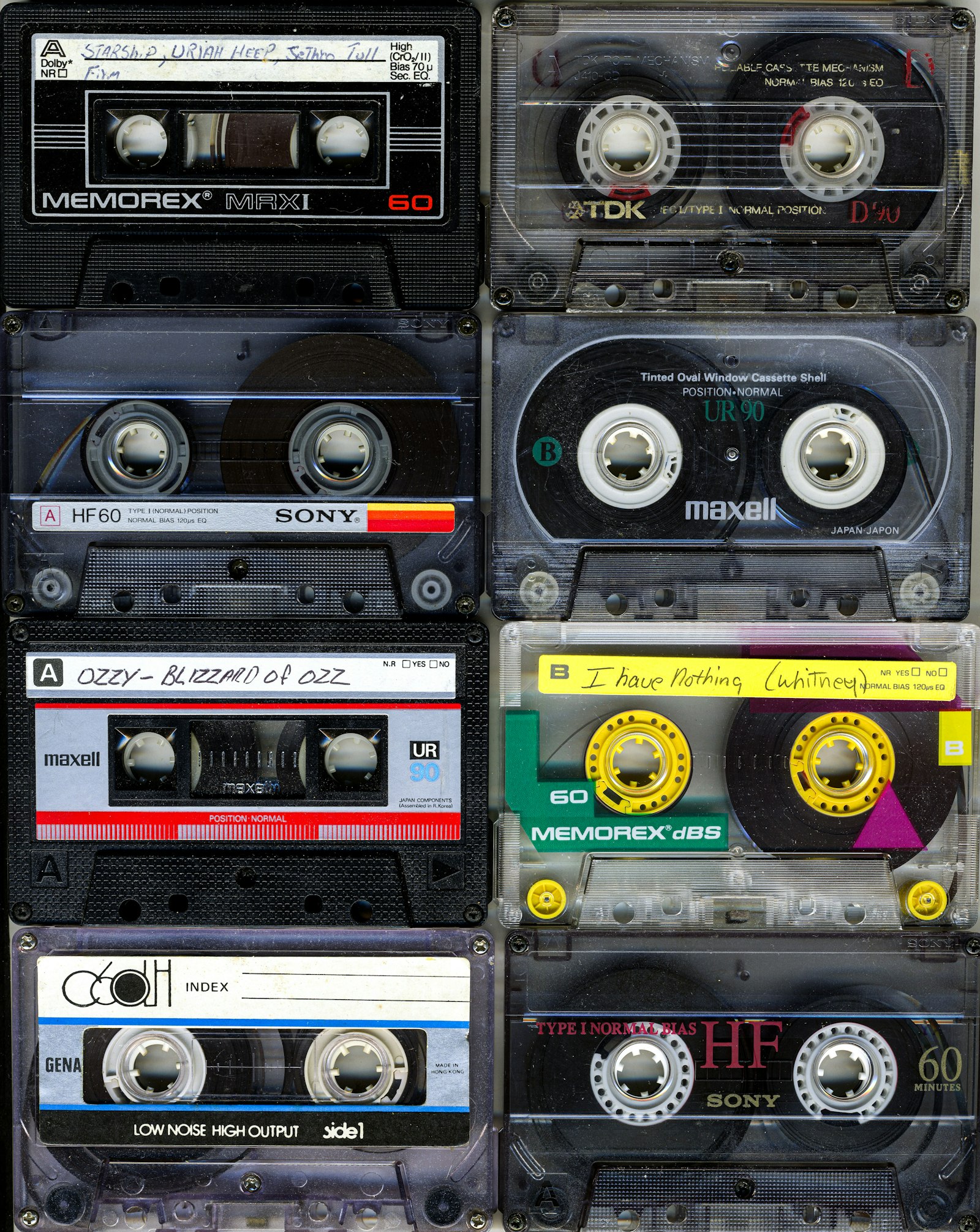
The Cassette Comeback Makes No Sense. Perfect.
By every measurable spec, the cassette should be extinct. The specs forgot to measure joy.
The Deep Cut Is the Secret Handshake
You mention track 9. Their eyes light up. Congratulations — you're both in the club, and the club has no bouncer.
Playlists Are Just Mixtapes With Better Postage
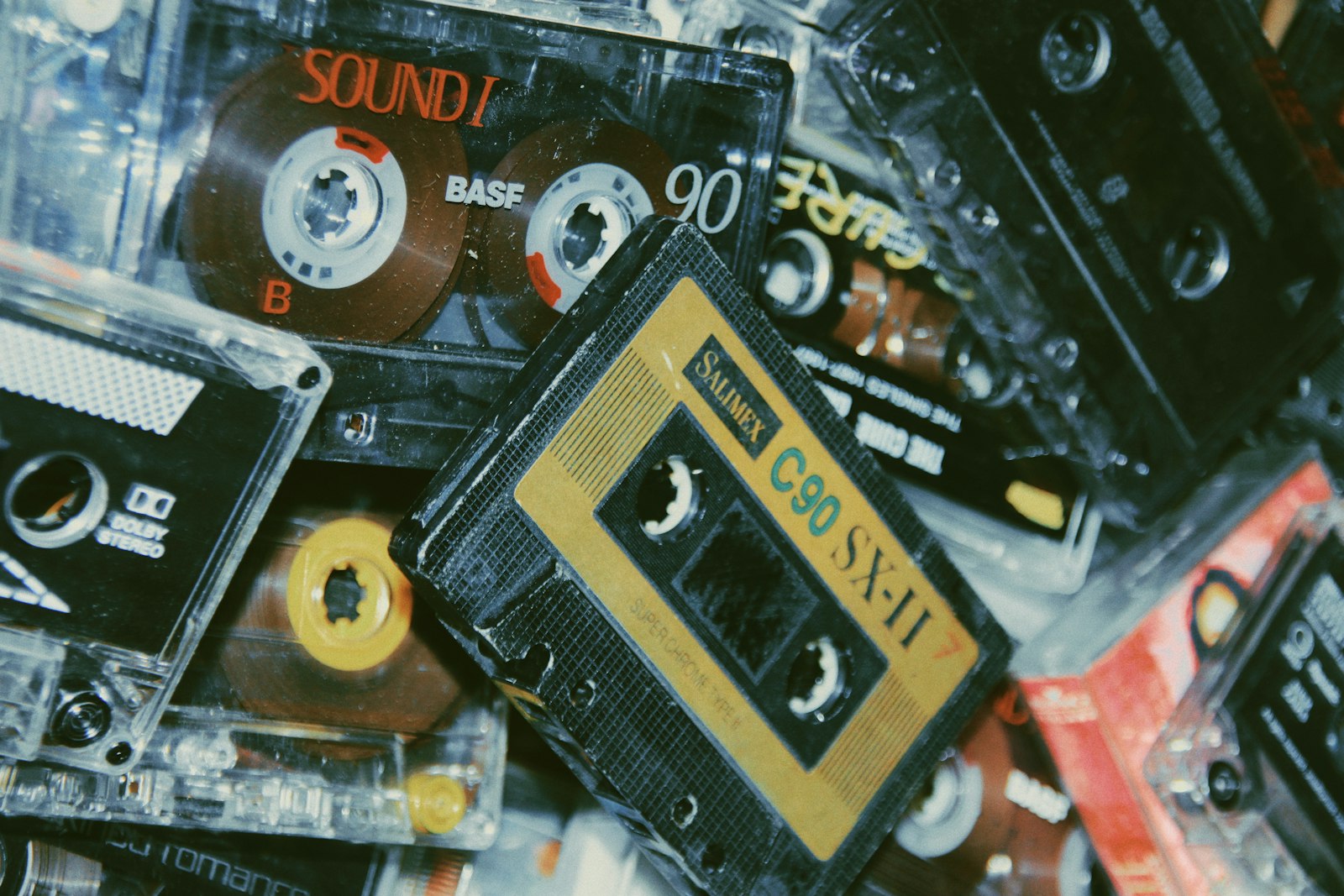
Curation is a love language, and it never went anywhere. It just stopped requiring a pencil to rewind.
Bring Back Liner Notes (They're Already Coming Back)
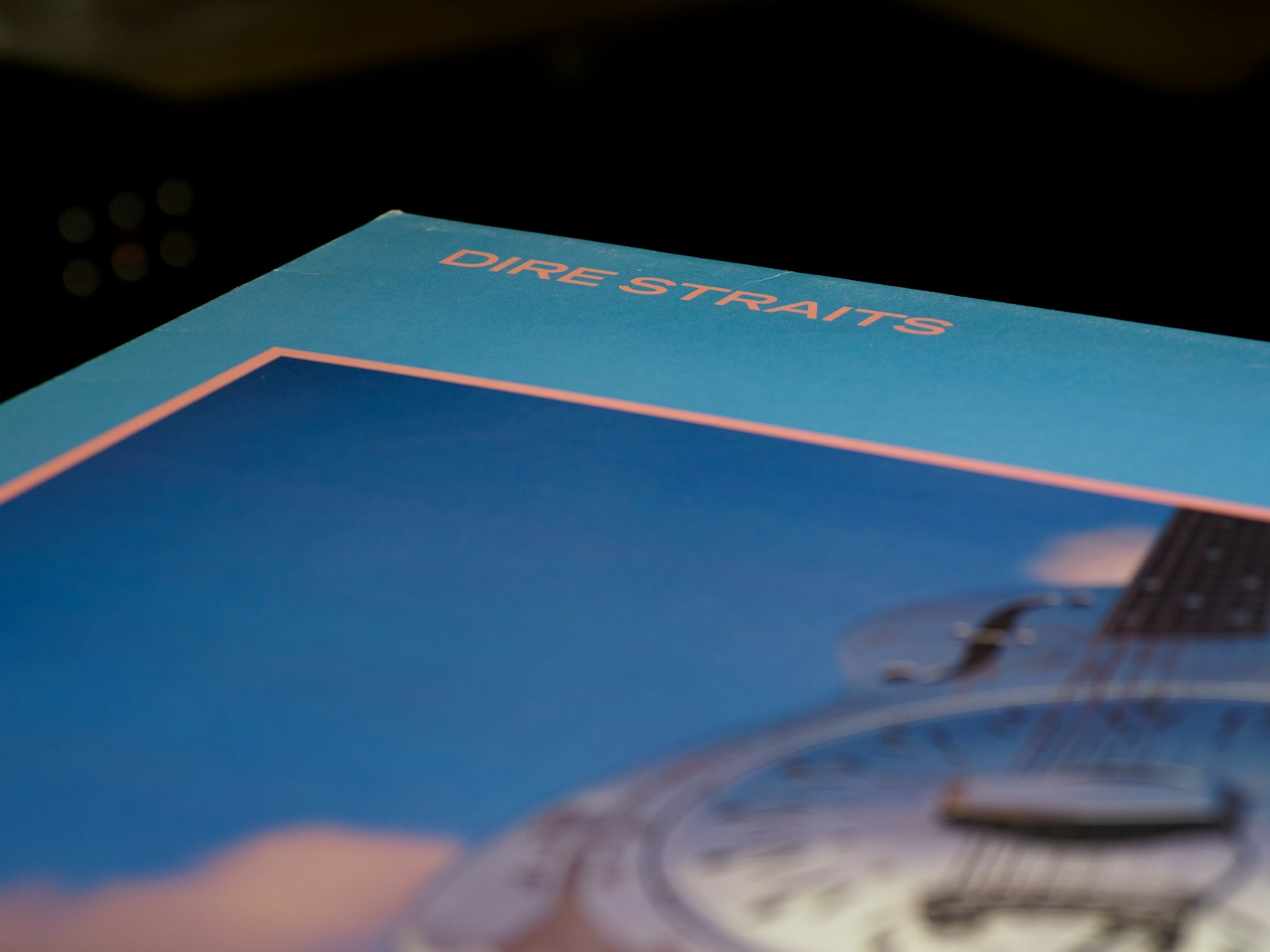
Every record is a village wearing a trench coat. Liner notes are how you meet the villagers.

Your Guilty Pleasure Isn't Guilty
Joy is the point. Craft lives in a pop hook just as surely as it lives in a fugue — and the only wrong way to love music is pretending you don't.
In Praise of Track One
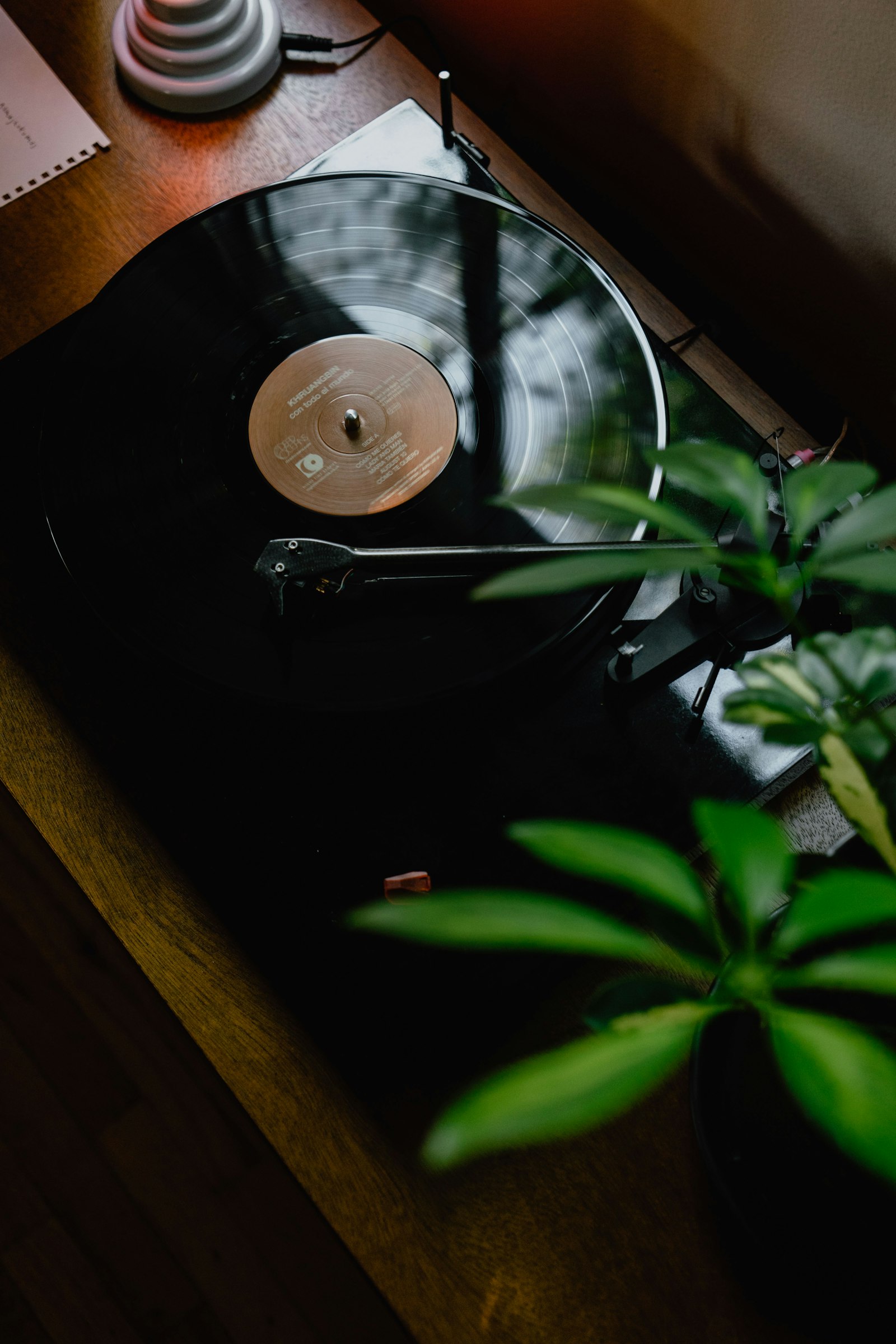
The album opener is a handshake, a doorway, and a syllabus all at once. Let's celebrate the humble art of the first song.

The 200-Cap Room Is Music's Greatest Invention
Perfect sightlines, real cymbals, and merch sold by the bassist herself. An ode to the little room down the street — and a nudge to go this week.
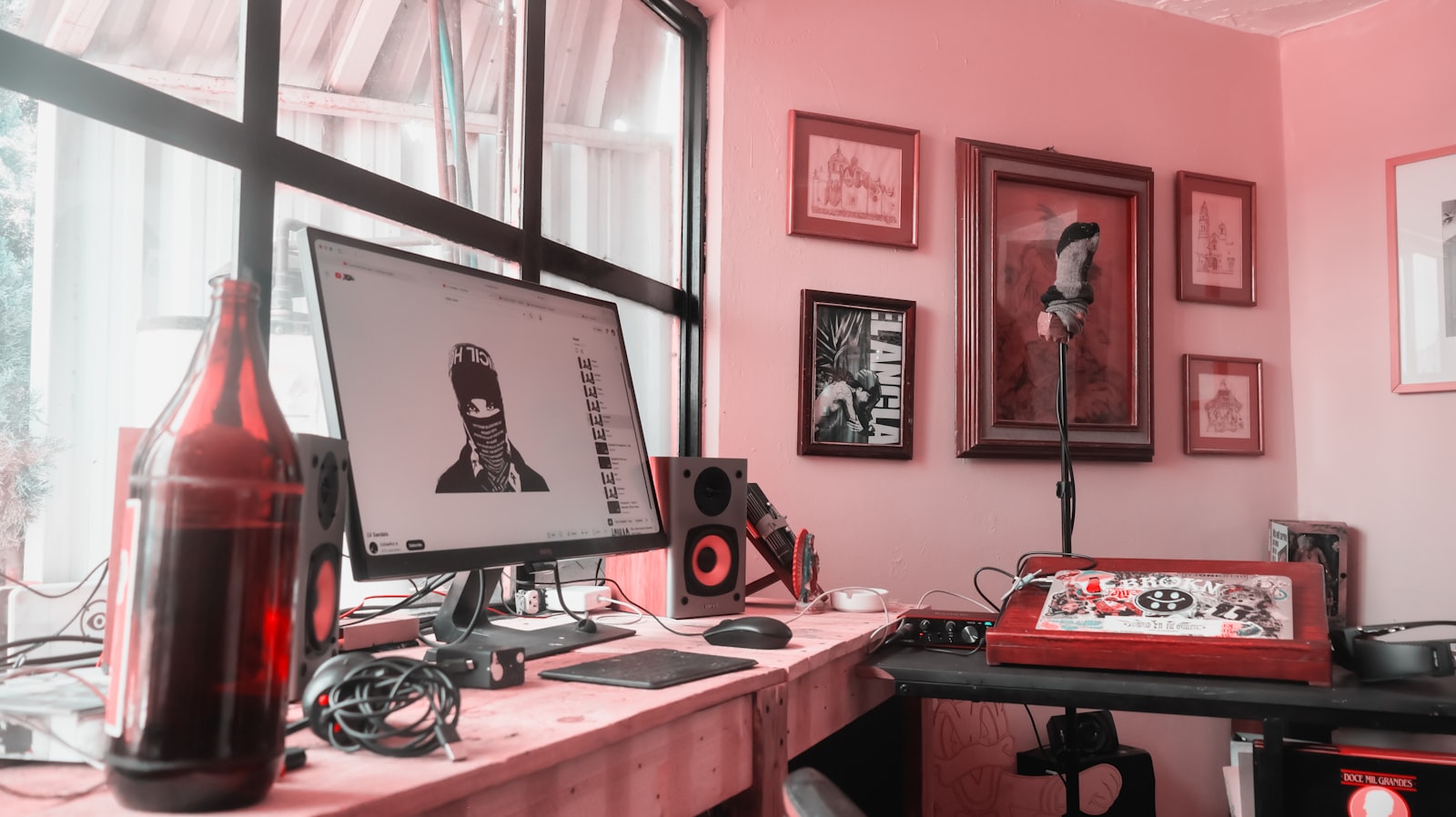
This Is the Golden Age of Home Recording
A laptop, a bedroom, and an idea can now become a record people love. The gates are open — walk through them, furnace hum and all.
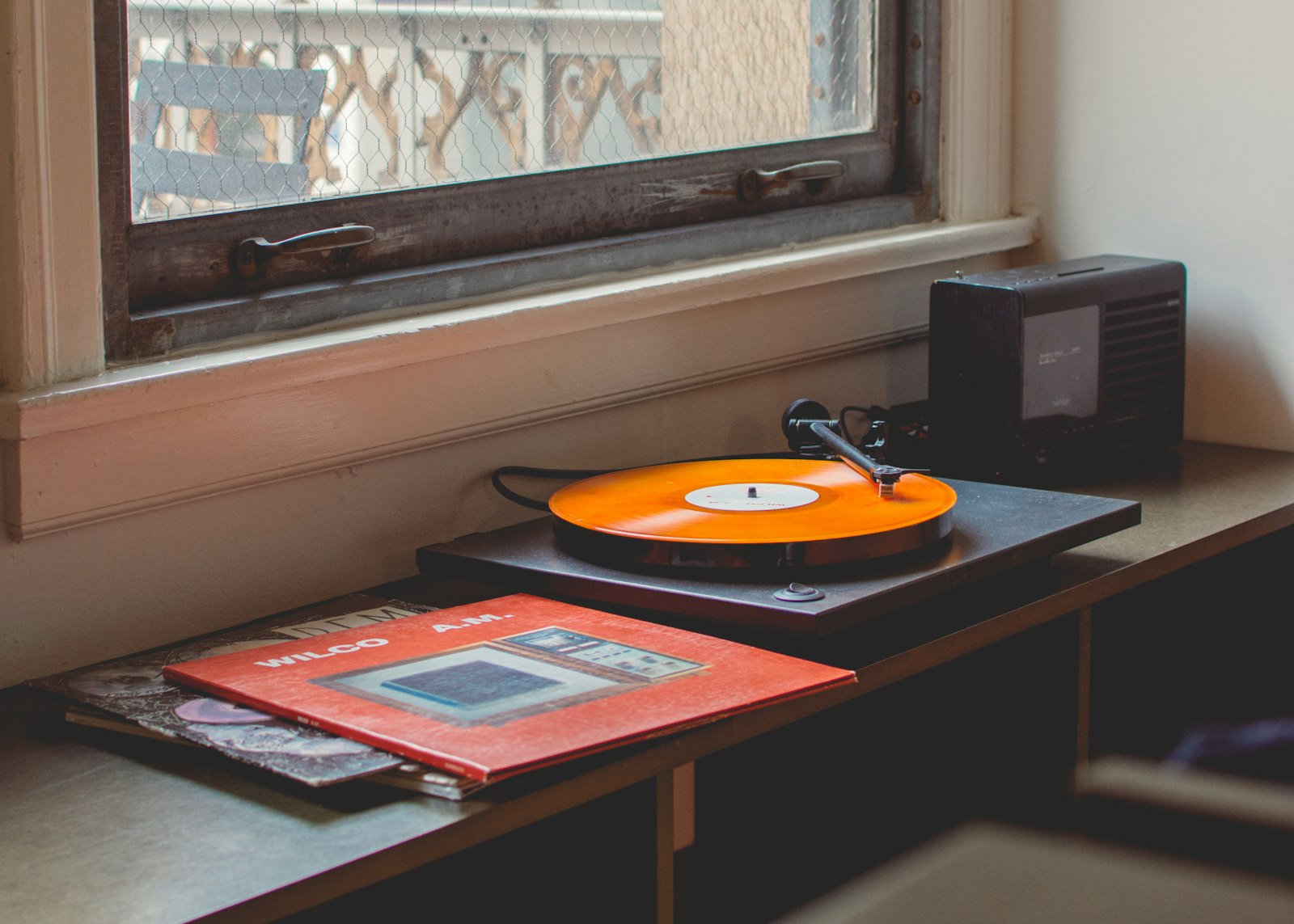
Vinyl Isn't Nostalgia. It's Attention.
The record revival isn't about the past — it's about the flip, the sleeve, and the radical act of listening to a whole side on purpose.