Jake Xerxes Fussell's 'The Old Beloved Path' Is a Quietly Radiant Masterpiece of Interpretation
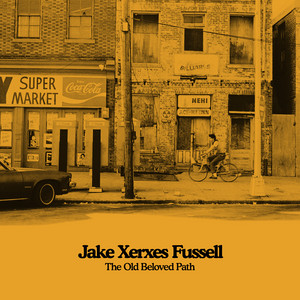
Jake Xerxes Fussell has spent six albums doing one thing with unreasonable grace: finding old songs and playing them like he just thought of them. The Old Beloved Path is nine of them — among them “Rock Island Line,” “Boney,” “Boll Weevil,” and the gloriously titled “Of Al the Beast-es in the World” — and it is the most unhurried record he has made.
The Sonic Breakdown
The Production & Mix
The Low-End: Ben Whiteley produced, and also plays upright and electric bass, reed organ, mandolin, guitar and synthesizer — which tells you how much of the record’s weather he is personally responsible for. Alli Rogers recorded it at Betty’s in Chapel Hill; Whiteley mixed at Casa Wroxton in Toronto; Steve Fallone mastered at Sterling Sound. The bass never pushes — it settles under a song and lets the guitar wander.
The Spatial Dynamics: The arrangements stay deliberately porous. Klof Magazine’s Glenn Kimpton hears “a complete document with no fat and not a wasted note,” and calls it “his most delicately considered release yet — his most elegant and unassuming.” Glide’s Jim Hynes credits the playing: Fussell’s “fingerpicking style and the atmosphere he conjures around traditional songs sound fresh and inexplicably different.”
Standout Performance
Isa Burke, whose fiddle on “Every Time I Go to Town” is the record’s warmest moment, and who also turns up on piano, acoustic guitar, mandolin and harmony vocals. Close second: Dominic Billett’s skeletal piano on “Boney,” which does almost nothing and means everything. Wayne Horvitz plays harmonica; Ken Whiteley plays bass harmonica, a credit worth savoring on its own.
Why It’s Certified
Because interpretation is a craft and Fussell treats it like one. On “Rock Island Line” he threads the nursery rhyme “Intry Mintry” into the railroad song, so a tune about going somewhere quietly becomes a tune about impermanence. Kimpton flags “Boll Weevil” as “laced with dry humour” and evidence of “his genius for interpretation.” No Depression’s John Amen lands the comparison that sticks: Fussell’s “clear yet mysterious voice” brings “to mind Bill Callahan.” Hot Press called the whole thing “a 33-minute lullaby.” Meant kindly. Taken kindly.