RIP Magic's '1,2,3' Is a Restless Masterpiece of Guitarless Groove
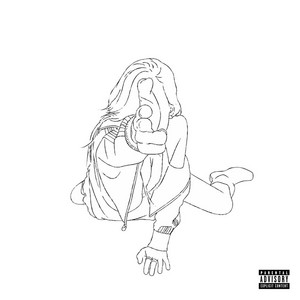
The Sonic Breakdown
The Production & Mix
The Low-End: Marco Pini, Felix Bayley-Higgins, Beth Boswell-Knight and Pedro Takahashi built 1,2,3 on live drums and bass with synths, vocals and samples on top — and no guitars, a rule the band set themselves. Evan Zuri at Northern Transmissions scored it an 8 and put the verdict plainly: the record “is better for the restriction.” What rushes into the gap is bass. Clash’s Ben Broyd hears a “chunky bassline” and a brass fanfare carrying “Screwdark,” the track where he says the album “really comes into its own”; Zuri calls that one “the album’s neon nightclub” and hands “Slacker” the best bass riff on the record.
The Spatial Dynamics: Everything here is danceable at arm’s length. Cal Cashin at Paste found that “a hazy, cloudy quality pervades” — “Loverboy,” “Rock” and “Screwdark” land punches that are “mighty heavy, but always slowed by echo and reverb,” over what he calls industrial synth-and-sampler clatter. Bandcamp Daily’s Stephanie Barclay named it an Essential Release and pinned the trick as “brainrot maximalism with understated remove.”
Standout Performance
Pini, who Zuri describes as “half-muttering and half-rapping,” refuses to sell a single line, and the band keeps rebuilding the floor under him: Broyd tracks “11:30” opening on a nursery-rhyme beat before shifting into jazzy keys, “Slacker” offering their cleanest vocals yet and then detonating a hardcore breakdown, and “Stadium Drive” stacking drum synths, harpsichord and warped vocals — “RIP Magic at their most inventive.”
Why It’s Certified
⚡ Broyd’s summary is hard to improve on: “a restless, brilliantly playful debut that rarely stays in one place for long.”
🌈 James Murphy produced the closer, “5words.” Zuri calls it “a perfect little piece of sabotage”; Broyd says it “rounds off a champion debut.”
🌈 Zuri, on what the no-guitar rule bought them: “Dance music rarely feels this lonely, or this alive.”