The Capo Is a Tone Decision, Not a Shortcut
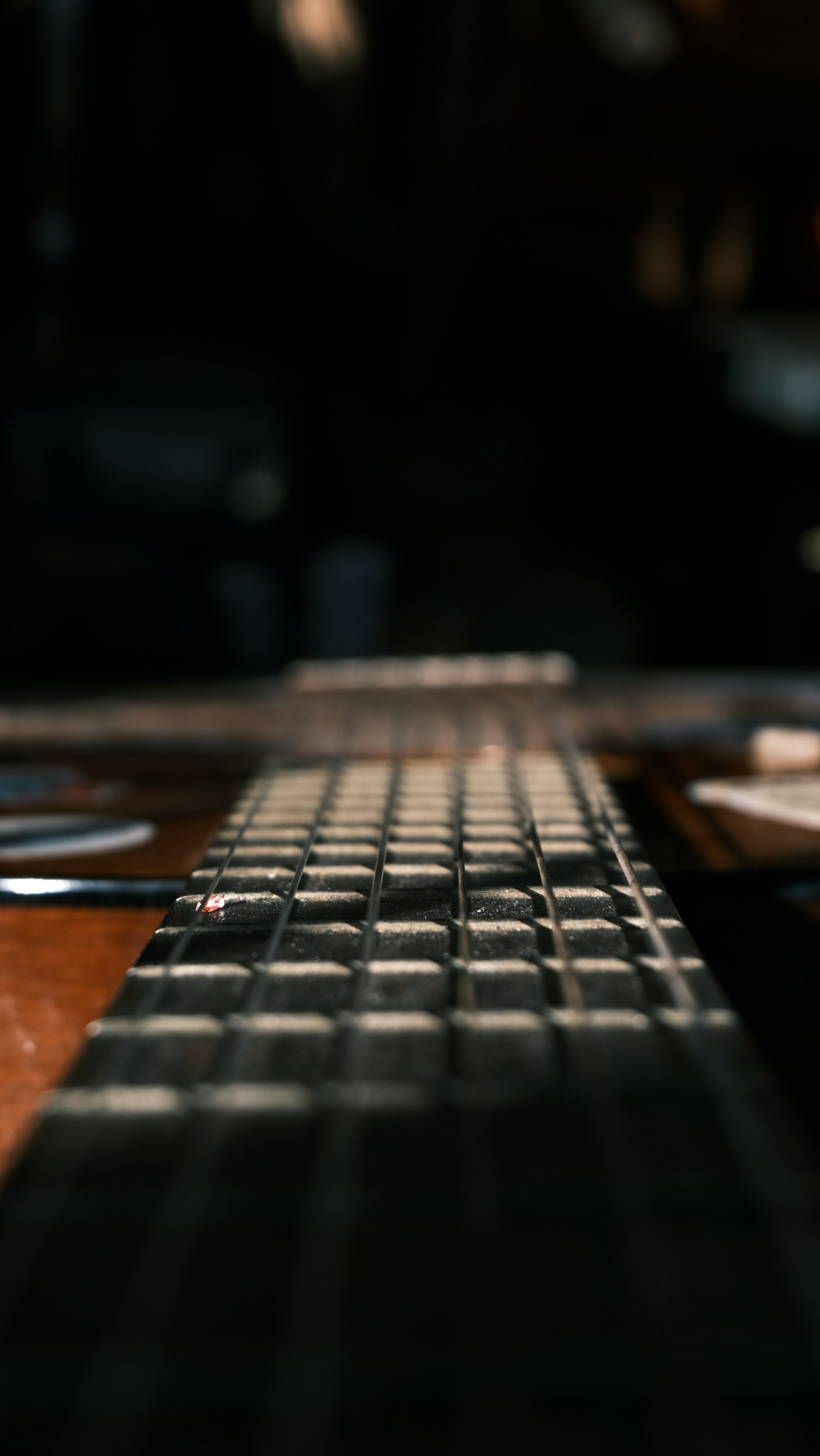
There is a particular kind of guitar-shop sneer reserved for the capo. It’s the cheater’s bar. It’s training wheels. It’s what you use when F is too hard. You hear it from people who have never had to get a song into a singer’s key twenty minutes before a take, and you hear it, more often, from people repeating something they heard.
Here is the thing the sneer misses entirely: a capo does not transpose a guitar. It rebuilds it.
Open Strings Are the Whole Argument
Move a song from G to A by barring, and you get the same voicings, same intervals, same stack of fingers, just higher. Move it by clamping at the second fret and playing G shapes, and something else happens — the open strings come back. Those ringing, undamped, slightly-out-of-tune-against-each-other strings are not a convenience. They are a sound. They’re why a capoed chord has that shimmer underneath it that a barre chord, with every string fretted and every string obedient, simply cannot produce.
Shorten the scale length and the strings get tighter and brighter. The instrument’s resonant character shifts upward. A guitar capoed at the seventh fret is not a guitar playing higher notes; it is, functionally, a different and smaller instrument, and arrangers have been exploiting that for as long as there have been two guitarists in a room. Put one player capoed high and one playing in open position, and you have two distinct timbres occupying two distinct registers, from one chord chart. That’s not a shortcut. That’s orchestration.
The Key Is a Body, Not a Letter
The other thing a capo does is let a singer live where their voice actually works. A whole tone can be the difference between a chorus someone has to push for and one they can lean into — and the lean is almost always the better take. Writers know this. They write in the shape their hands like, then move the whole thing to where their throat likes it, and the song gets better twice.
So clamp it wherever the song wants. The only person counting frets is the one who isn’t listening.