The Drummer Who Sings (Doing Two Hard Jobs at Once, Smiling)
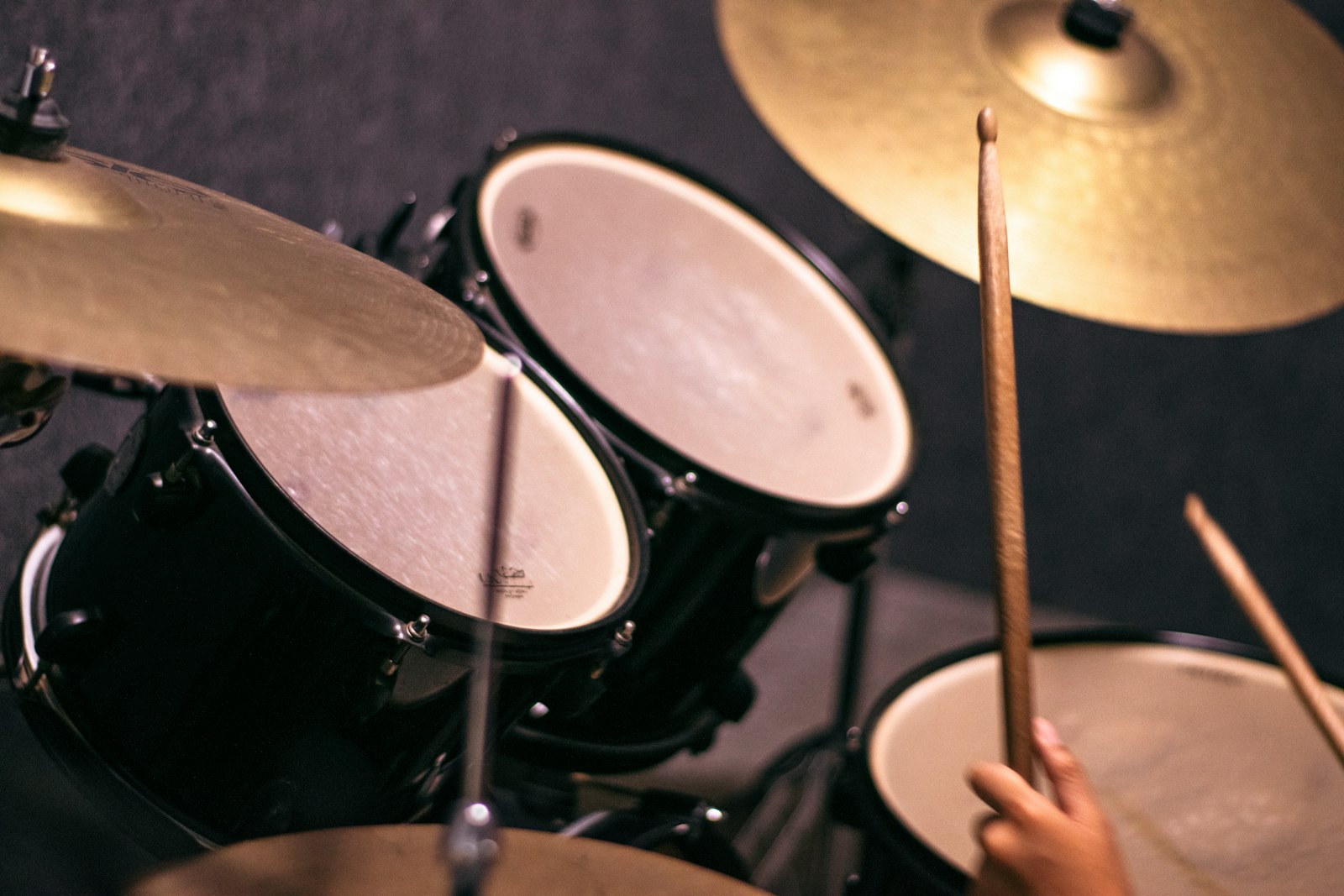
There is a moment at a lot of small shows when you realize the voice you have been following all night is coming from the back of the stage. Not the front. The back, behind the cymbals, from a person whose arms and legs are already fully committed to something else.
It is a genuinely strange thing to be good at. Everything that makes a drummer useful — the physical commitment, the willingness to be the metronome everyone else leans on, the arms moving in four slightly different time signatures — works against singing. Singing wants a steady column of air. Drumming wants your whole torso. The two requirements are in open disagreement, and the people who do both have simply decided not to take sides.
Two Jobs, One Diaphragm
Watch how they breathe and you start to see the engineering. Phrases get placed in the gaps the arrangement allows. A fill gets simplified by one note so the line before the chorus can land. The hi-hat foot stays steady because that is the part nobody can cover for you, while the right hand quietly negotiates. None of this is written down anywhere. It is worked out in a rehearsal room over months, and the reward for getting it right is that nobody notices you did anything unusual.
That is the part worth celebrating. The whole craft is designed to be invisible. A guitarist who sings gets to step toward the audience. A drummer who sings stays put, half-hidden behind their own equipment, delivering the hook from the least flattering seat in the house.
The Band Sounds Different From Back There
Here is the other thing the drummer-singer brings, and it shows up in the records. When the person holding the time is also the person carrying the melody, the groove and the tune stop being two separate ideas negotiated across a stage. They come out of one body. Phrases land where the kick lands because the same person decided both. Songs end up with a rhythmic logic you cannot fake by overdubbing a vocal onto a finished drum take.
So the next time the voice is coming from the back, turn around and look. Somebody back there is doing two hard things at the same time, and has arranged their entire setup — the mic boom at a weird angle, the shortened fills, the breath snatched between phrases — so that you would never have to think about it.
Clap for the back of the stage. They earned it twice.