The Cassette Comeback Makes No Sense. Perfect.
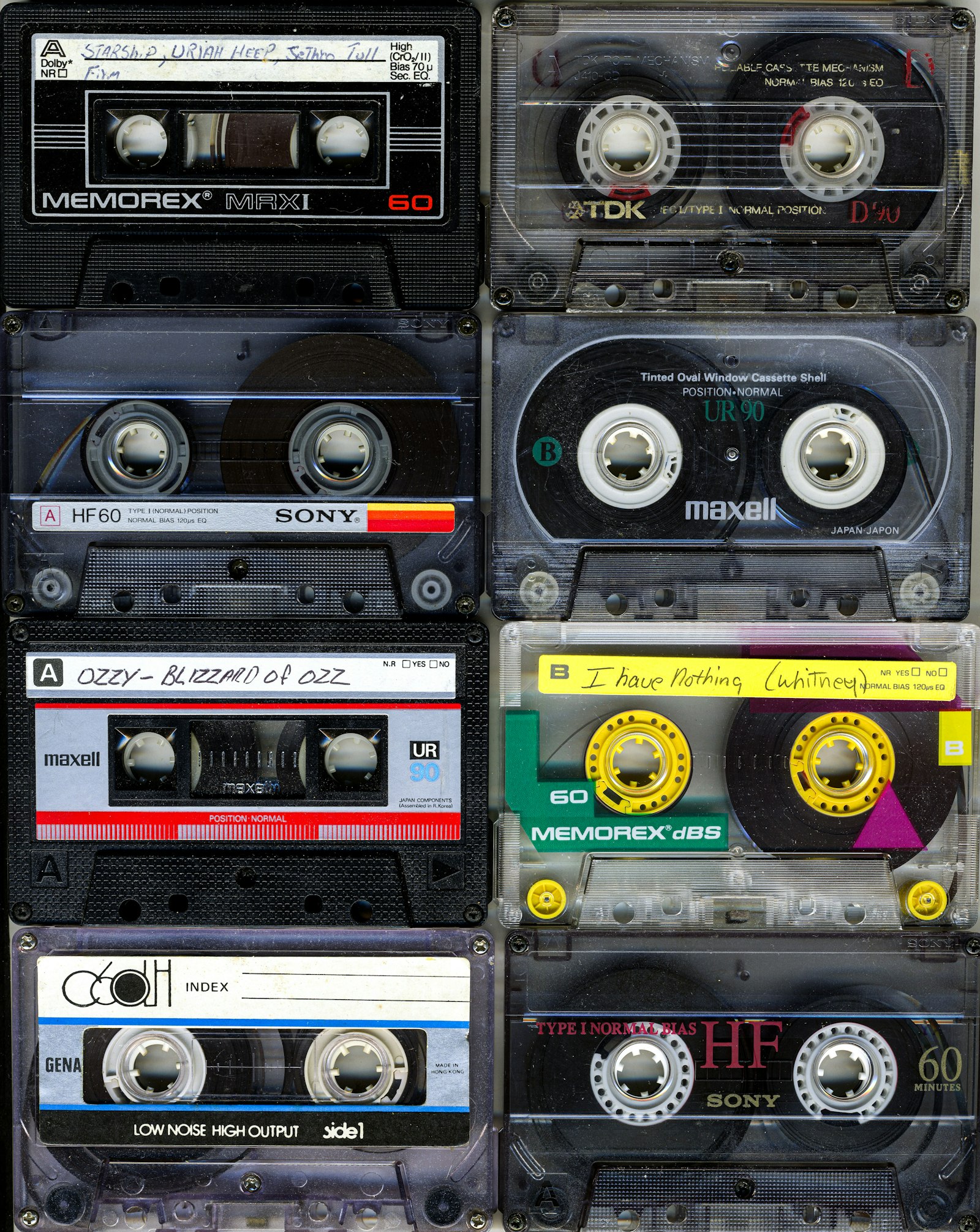
Let’s be honest about the cassette tape, because honesty is what makes this so wonderful: it is inconvenient in nearly every direction. You can’t skip tracks without a thumb workout. It can warble in a hot car. Rewinding is a commitment. Finding side B’s third song is basically orienteering.
And people adore them. New tapes, dubbed with care, wrapped in hand-folded J-cards, are selling out of tiny label webstores while the sensible formats look on, baffled.
The lesson here is one of the happiest in all of music: affection beats specs. Every time. We don’t love formats for their frequency response; we love them for how they make us behave. The cassette makes you commit. You press play and you stay, because skipping costs something, and suddenly you’re listening the way the artist sequenced it — front to back, like a story.
Hiss is a feature now
That gentle tape hiss underneath everything? On paper it’s noise. In your headphones it’s weather. It’s the sound of the medium admitting it exists — a warm analog blanket that says this recording lives somewhere physical. Plenty of producers chase that texture on purpose, which tells you everything: the “flaw” was secretly a flavor.
Small plastic, small labels, big heart
Tapes are cheap to make in small batches, which makes them the format of the beautifully tiny operation — the bedroom label run by two friends, the ambient artist dubbing forty copies on a weekend. A cassette is often the most direct handshake between a musician and forty listeners who really, truly wanted it.
None of this is efficient. All of it is delightful. The cassette comeback makes no sense by the numbers, and that’s exactly the point: music was never a numbers game.
It’s a love game, played on tiny plastic wheels.