Catalogue Number One Is the Bravest Record in Any Collection
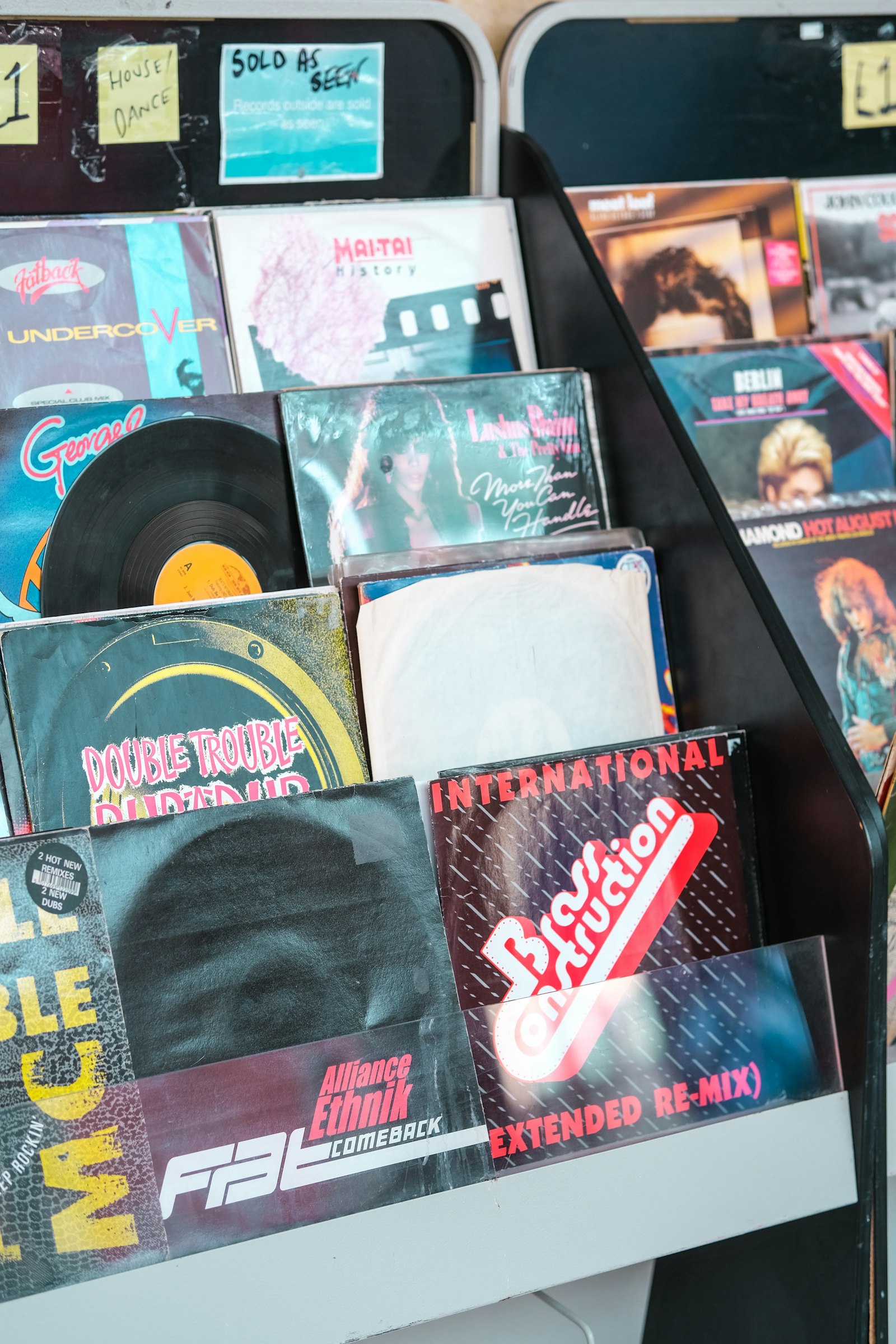
Flip over a record from a small label and look for the catalogue number. Most of the time it’s a four-letter prefix and some unremarkable digits — the eighty-third release, the two hundredth, a number that exists mainly so a distributor’s spreadsheet knows what to do. But every label has a 001, and that one is different in kind from everything that follows it.
Consider what has to be true for a 001 to exist. Someone decided that the records they loved were not being released by anyone else, and rather than complaining about it, they invented a company. They chose a name. They designed a logo, probably badly, at a kitchen table. They worked out what a pressing run costs and then discovered it costs more than that. And then — the part worth admiring — they picked one record to be the thing their entire new enterprise would be judged by, knowing full well that if it went badly there would be no 002.
Nobody signs a 001 cynically
A label on its hundredth release can afford a calculation. It has a sound, an audience, a sense of what sells, and it can sign something simply because the thing is adjacent to what already worked.
A 001 has none of that. There’s no roster to be consistent with, no back catalogue to flatter, no expectation to manage. The only possible reason to release it is that somebody heard it and could not stand the idea of it not existing. That’s why first releases so often sound slightly wrong for the market and exactly right in themselves — they were chosen by enthusiasm rather than by fit, which is the only selection criterion that has ever produced a great label.
The paper trail is the point
There is also something quietly moving about the numbering itself. A catalogue number is an act of optimism: it implies a second one. Nobody stamps 001 on a sleeve unless they intend to get to 002, and 017, and someday a boxed retrospective. It’s a promise written in a format designed for filing cabinets.
Some of those promises get kept and turn into institutions. Plenty don’t — there are labels in this world whose complete discography is a single seven-inch and a dead website, and those records are now the only evidence that a particular group of people once believed very hard in a particular band. Either way, the 001 is where the believing started.
Go find some
This is an easy and deeply rewarding thing to collect. Pick a label you trust and work backwards to its first release; it often sounds nothing like the label’s eventual identity, which is half the fun. Or watch for a new imprint announcing itself this month and buy the thing it chose to open with, sight unseen. You are not just buying a record at that point. You’re buying the moment someone decided to find out whether it would work.
Everything good in independent music started at 001. Somebody has to buy those.