The Gig Poster Is the Last Great Underground Art Form
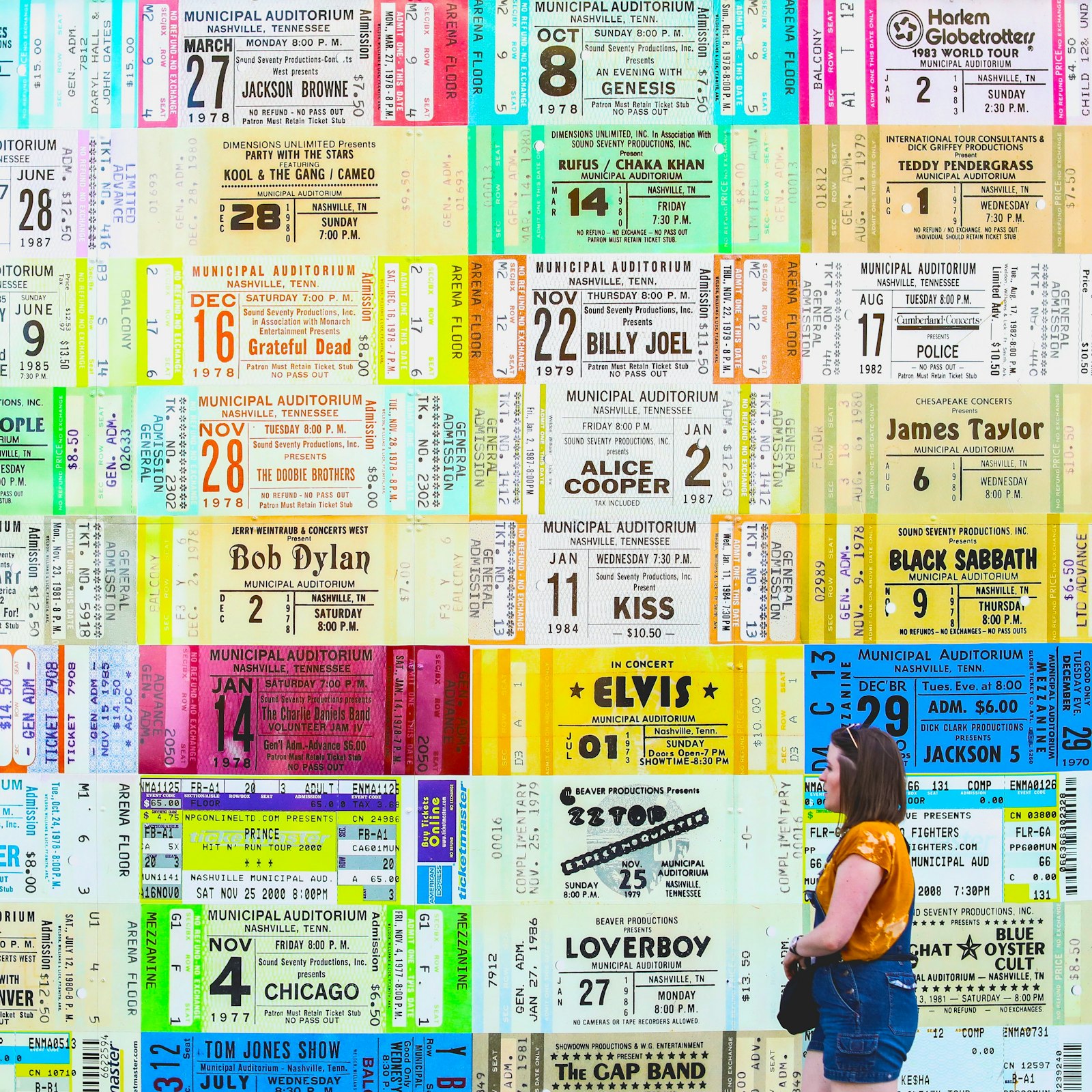
Somewhere near a venue right now, a poster is curling off a telephone pole in the rain. It was screen-printed in a run of maybe a hundred, in three colors that took a whole Tuesday night to register correctly, for a show that lasted four hours and will exist afterward mostly as a memory and, if you were paying attention, a folded-up rectangle of card stock in your bag.
That poster was never supposed to last. That’s exactly why it’s one of the last honest art forms we have left.
Nobody Commissioned This
Gig posters mostly don’t come from ad agencies or brand decks. They come from a friend of the band, or the venue’s in-house artist, or someone in the local scene who does letterpress on weekends and offered to trade a run of prints for a spot on the guest list. The brief is usually one sentence long — band name, date, maybe a vibe — and the rest is whatever the artist actually wants to try that week. That’s an almost unreasonable amount of creative freedom for something that’s going to get rained on and thrown away, and the work is better for it. Nobody’s optimizing a gig poster for click-through rate.
The Constraints Are the Whole Craft
Screen printing forces decisions. Every color is a separate screen, a separate pass, a separate chance to misalign the whole thing by two millimeters and ruin a run. Working within two or three colors instead of infinite ones is exactly the kind of limitation that produces the boldest, most memorable images — flat shapes, high contrast, a single strong idea instead of ten timid ones. The posters people actually frame are almost never the most technically complex; they’re the ones that nailed one weird idea completely.
And there’s a real object at the end of it. Numbered editions, slight misprints that make each one technically unique, ink that still smells faintly chemical a week later. In a scene that’s increasingly a JPEG on a phone screen, a hand-pulled print is proof that a human being stood at a table and made a decision about it.
The Pole Was the Point
Here’s the part that makes it genuinely democratic: for decades, the primary distribution method for a gig poster was a telephone pole, a coffee shop corkboard, or a record store window — free, public, unowned real estate. You didn’t need a marketing budget to reach the people who might actually come to your show. You needed a staple gun and a little nerve. That version of the ecosystem is thinner than it used to be, but the instinct survives every time a local artist offers to make the flyer for a friend’s basement show instead of just posting a JPEG to a group chat.
So next time you’re leaving a venue and there’s a stack of posters by the door, take one. Not to resell it in a decade, though some of them will be worth it. Take it because somebody made a real, disposable, slightly imperfect thing for a night that already happened, and the least you can do is not let it end up back on the pole in the rain.