In Praise of the B-Side (Where Bands Go to Get Weird)
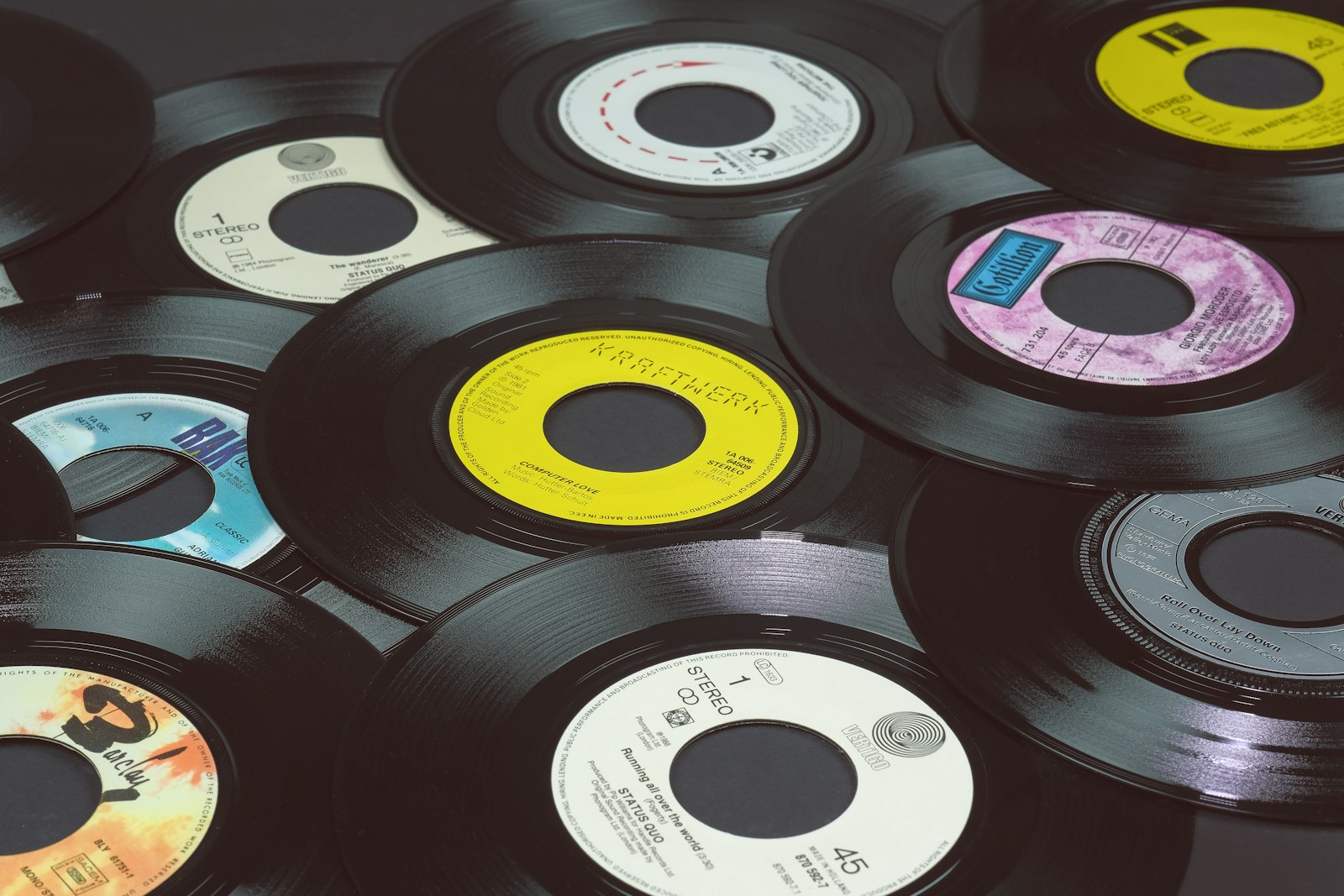
There’s a very particular kind of song that only exists because a band had two extra minutes on a lacquer and nothing left to lose: the B-side. Not the single, not the deep cut everyone circles back to on side two — the actual flip side, the thing you only heard if you turned the record over out of curiosity. For decades, that unglamorous piece of real estate was where some of music’s best, weirdest, most purely fun ideas went to live, because nobody was asking them to sell anything.
No stakes, no rules
The genius of the B-side was structural, not artistic — it was a slot nobody was watching. The label wanted the A-side to chart, radio wanted the A-side to fit a format, and everyone involved in getting the single to the pressing plant had already spent their attention on the song with the hook. Whatever ended up on the other side got to exist without a job to do. Bands used that freedom exactly the way you’d hope: extended jams that never would have survived an album sequencing meeting, cover songs picked because someone in the van liked them, sketches too strange or too slight to justify album real estate but too good to just leave in a drawer. The B-side wasn’t the audition. It was the one place nobody was grading the test.
The best version of a band, off the clock
Ask serious collectors which songs they’d protect first and an alarming number of answers are B-sides — tracks that never touched an album, that existed for exactly one 7-inch pressing, and that somehow capture a band more vividly than half their proper discography. That’s not an accident. When nothing is riding on a song, a band tends to relax into the version of itself it actually likes best, and that unguarded quality is audible every single time. The B-side was never the lesser song. It was frequently the honest one.
It never really left
Streaming platforms flattened the physical logic of the A-side and B-side — there’s no “flip it over” anymore, just a tracklist. But the instinct behind the B-side is alive wherever an artist drops a stray single with no rollout plan, or tucks a strange bonus track onto a deluxe reissue, or releases a cover nobody asked for because it was fun to record. The format changed. The impulse — give yourself one place with no stakes attached — never went anywhere, and it shouldn’t. Every catalog needs a room where nobody’s grading the test. Flip the record over. That’s usually where the band actually lives.