In Praise of the Backing Band (The Best Records Are a Group Effort)
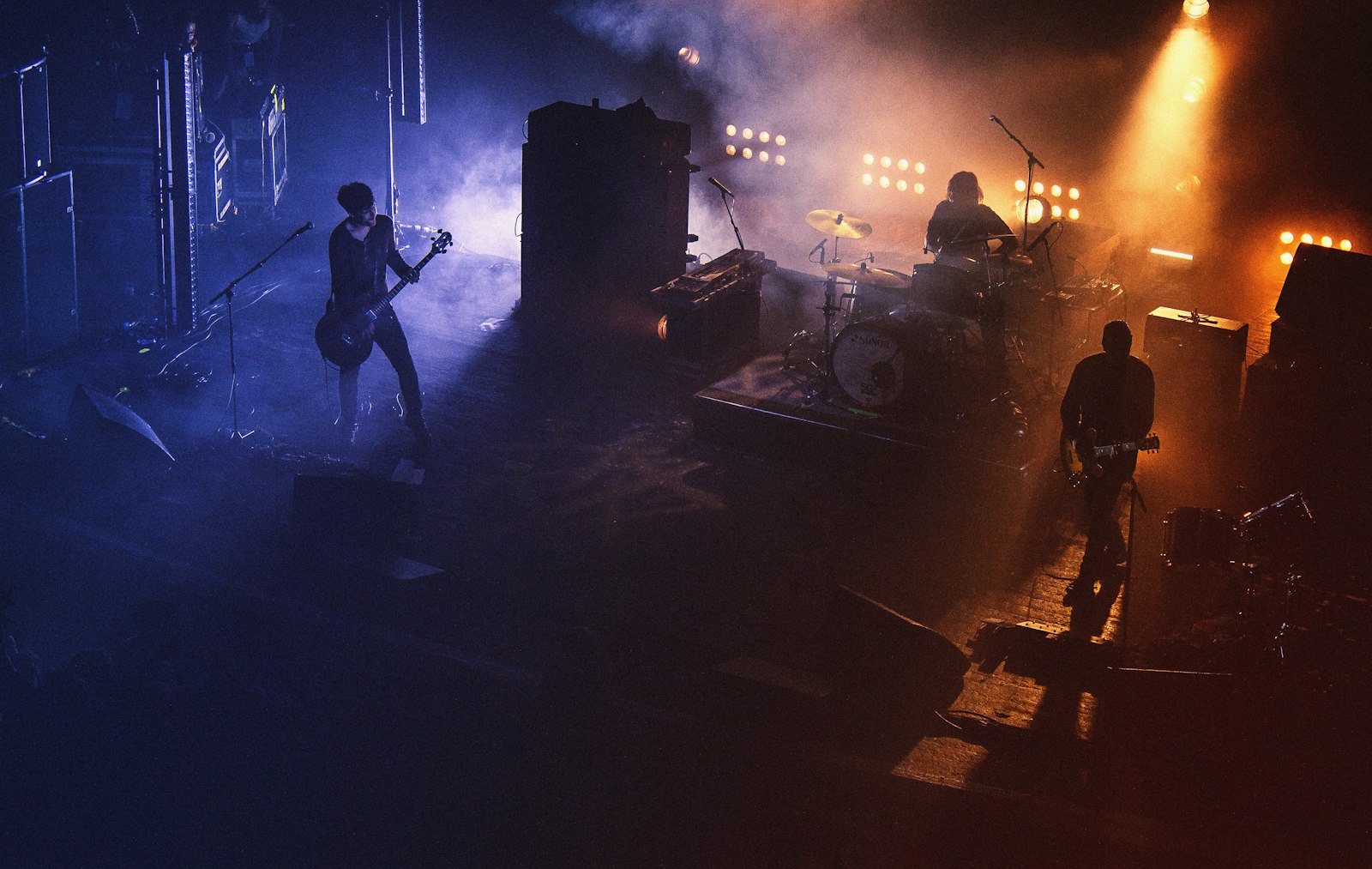
Look up the credits on almost any record you love and the same pattern shows up: one name on the spine, and then a small paragraph of people who made that name sound the way it does. A producer who knew when to leave a vocal alone. A rhythm section that’s been playing together long enough to breathe as one unit. A horn player brought in for four bars that somehow become the whole hook. None of them are why you bought the ticket. All of them are why the show was good.
The band is the sound, not just the support
It’s easy to talk about a songwriter’s “voice” as if it exists independent of the room they recorded it in, but pull the rhythm section out of your favorite album and see how much of that voice survives. A singer’s phrasing bends around what the drummer is doing underneath them. A guitarist’s tone only means something in relation to what the bassist leaves open. The best backing bands aren’t playing behind the songs — they’re playing the songs, in real time, alongside whoever’s name ended up on the cover.
That’s most obvious in the records built slowly, a studio day here and a studio day there, over months or years, with the same small cast of collaborators returning each time. You can hear the trust accumulate. Nobody’s overplaying to prove something. Everybody already knows their job.
Session players are the best-kept secret in music
Here’s the fun part: once you start paying attention to who’s actually in the room, you start recognizing names across records that have nothing else in common. The same drummer shows up on a folk record and a power-pop one. The same horn arranger turns up on a hazy R&B album and a genre-hopping rock record months later, and suddenly you understand why both records have that same warm, rounded low end — it’s the same ear, applied twice.
Following those names is one of the purest joys available to an obsessive listener, and it costs nothing but attention. It turns liner notes into a map. It turns “who else has this drummer played with?” into an afternoon well spent, and more often than not, into three or four new favorite records you’d never have found any other way.
Give the credits a real read
So here’s the ask: next time a record grabs you, don’t stop at the artist name. Read all the way down. Find out who’s playing bass, who tracked the drums, who got called in for one afternoon to add strings nobody asked for but everybody needed. Somewhere in that list is the answer to why the record sounds like itself — and probably a few more records worth your time, hiding in plain sight under someone else’s name.