Liner Notes Are Love Letters
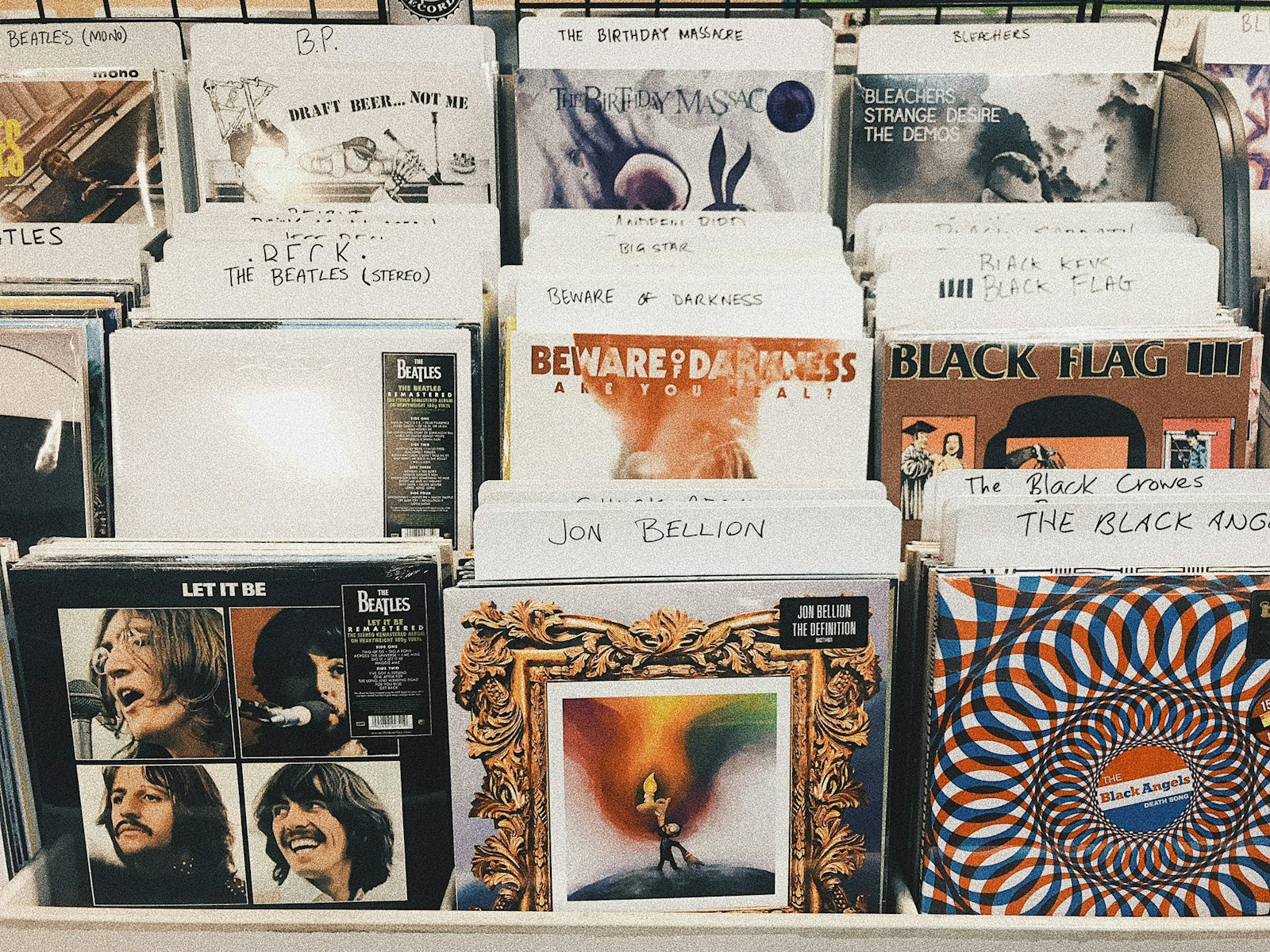
Open the gatefold of almost any record worth owning and you’ll find the same thing tucked into the corner: a list of names. The session drummer who showed up on four hours of sleep. The engineer who stayed late to get one guitar tone right. The friend who let the band sleep on their floor for a month while the record got finished. Liner notes were never really about information. They were about gratitude, written down and pressed into vinyl so it would outlast the moment it described.
The instinct never left, it just moved
It’s easy to mourn liner notes as a lost art in the streaming era, and there’s truth to the loss — a scrolling credits page buried three taps deep isn’t the same as unfolding a piece of cardstock while the needle drops. But the impulse behind liner notes hasn’t gone anywhere. It’s in the Bandcamp album description that spends three paragraphs on who played what and why it mattered. It’s in the Instagram caption where an artist tags every collaborator by name instead of just dropping a release. It’s in the interview where someone insists, unprompted, on crediting the person who mixed the record instead of taking that praise for themselves.
A record is never a solo act
What made the old liner note format special wasn’t the cardstock — it was the discipline of saying thank you in public, on the record, permanently. That discipline is worth protecting no matter what format carries it. Somebody booked the room. Somebody drove the tour van. Somebody answered a 2 a.m. text about whether the bridge needed one more section. None of that shows up in the runtime, but all of it shows up in the record.
Read the credits
The best thing a listener can do with this is simple: read the credits. Actually read them. Look up the names you don’t recognize. Follow the engineer to the next record they worked on, the session player to the band they front on the side. Liner notes, wherever they live now, are a map of a community — and communities are worth tracing all the way through.
Every great record was built by more people than the marquee suggests. That’s not a footnote. That’s the whole story, if you’re willing to read it.