No Shuffle: In Defense of Playing the Whole Album, In Order
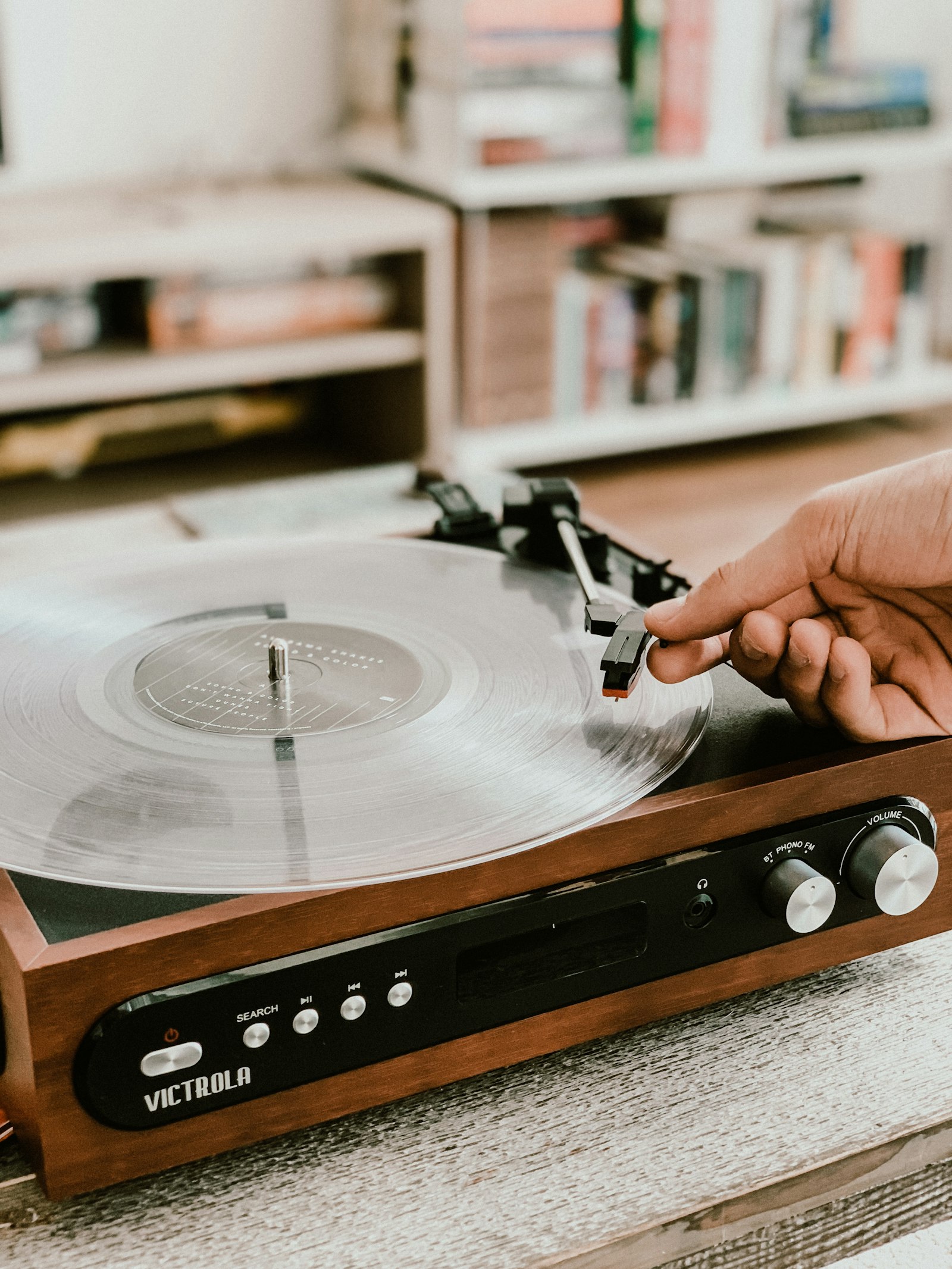
Somewhere in the last decade, “shuffle all” quietly became the default way most of us hear music we already own. It’s convenient, and convenient is not a crime. But it does something subtle to a record: it turns a sequence someone spent months agonizing over into a bag of loose parts, reshuffled every time like a deck of cards nobody asked to be dealt.
Sequencing is a craft, not an accident
Track order isn’t administrative housekeeping. It’s the last big compositional decision an artist makes, and usually the most argued-over one in the room. The opener has to earn your attention in thirty seconds. The back half has to know when to slow down so the record has somewhere left to go. A tracklist is pacing, tension, and release, built the same way a film editor builds a runtime — and shuffle throws all of that out to get you to the “good part” faster.
The irony is that the good part often depends on everything that came before it. The quiet song hits harder because the last three were loud. The reprise only works because you remember the original three tracks ago. Shuffle doesn’t just rearrange furniture — it removes rooms from the house.
The ritual is the point
There’s a specific, almost meditative pleasure in committing to a record start to finish: no skipping, no phone, just the sequence as written. It asks something of you that a shuffled playlist never does — patience, attention, trust that the artist knew where they were going even during the song you don’t love yet. That trust gets rewarded more often than you’d expect.
This isn’t an argument against playlists, which are their own great format with their own logic. It’s just a reminder that somewhere in your library sits a handful of albums built to be experienced in order, and shuffle has been quietly denying you the ending they were building toward. Cue up side one. Let it run. You can always shuffle later — the album will still be there, in the order someone fought for.