Side Two, Track One
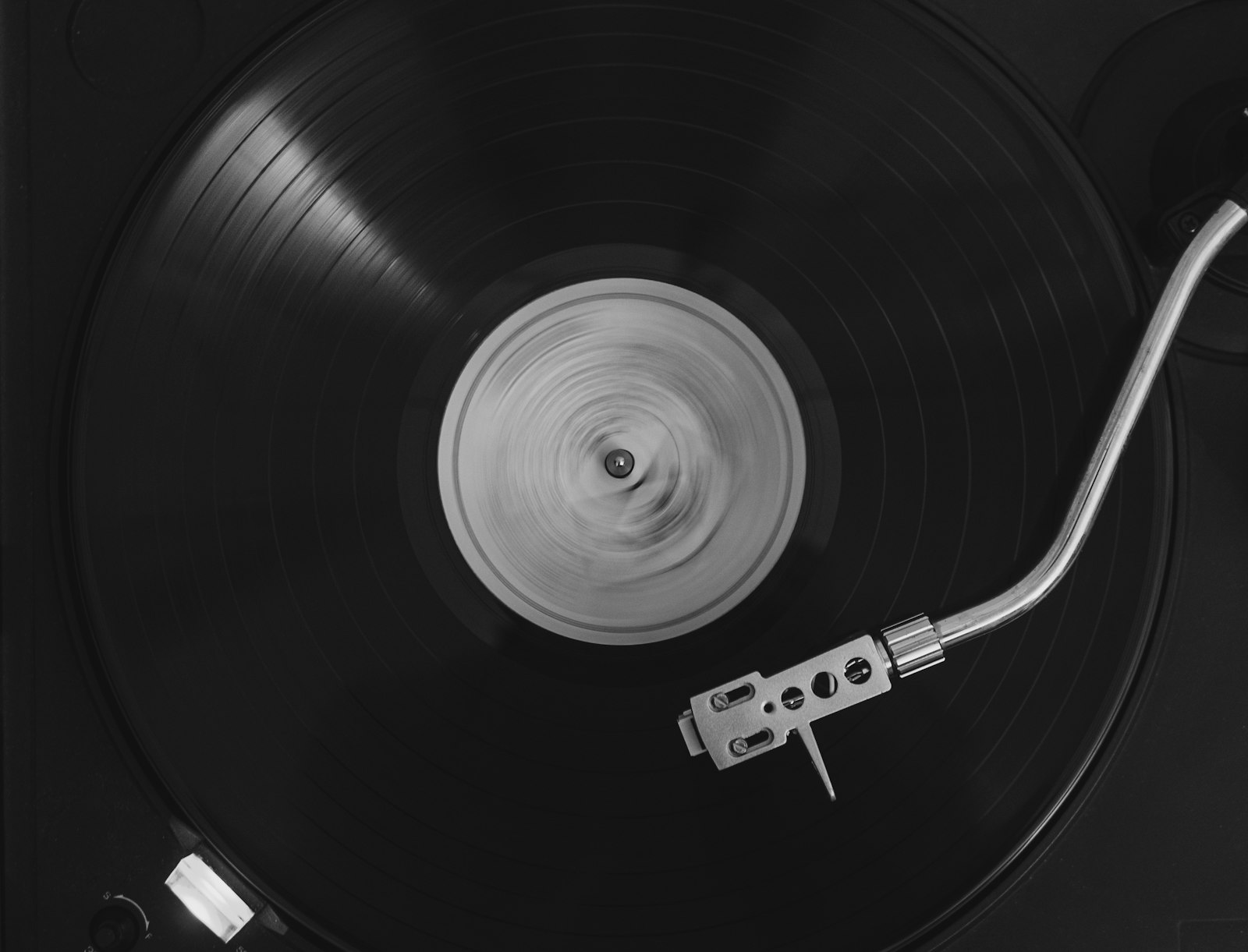
The album opener gets all the credit. It’s the handshake, the mission statement, the thing writers build whole essays around. But there’s a second opener on every record made for two sides of vinyl, and it has a harder job: side two, track one. It has to start an album that already started. It’s playing to a room that got up, flipped a disc, maybe put the kettle on, and is now deciding — consciously, in a way they weren’t forty minutes ago — whether to keep going.
The Only Track That Knows You Left
Every other song on a record assumes continuity. Side two, track one is the only one that has to account for an interruption, and the great ones are audibly aware of it. That’s why so many of them arrive louder, or weirder, or with a completely different instrument in front. They’re not resuming. They’re re-recruiting.
You can hear the strategies. Some records put their most immediate song there — the one that would have been the single if the single hadn’t already been track two. Others go the opposite way and use the position for the left turn, the eight-minute one, the one that would have derailed side one but works fine as a fresh start. Both are the same instinct: this is a door, so build something worth walking through.
It Survived the Format That Made It
Here’s the part that should cheer you up. The physical constraint is long gone for most listeners — streaming has no flip, no gap, no kettle — and yet artists keep sequencing as if the midpoint matters. Track six of twelve still tends to carry a disproportionate amount of an album’s ambition. The habit outlived its cause, which is usually how you can tell a habit was doing something real all along.
So next time you’re a few songs deep and something opens up — a key change out of nowhere, a drummer suddenly playing twice as hard — check where you are in the running order. Odds are decent you’ve just been handed the second invitation. Somebody put it there on purpose, for a room they couldn’t see, on the assumption you’d come back.