Singing Along in a Language You Don't Speak
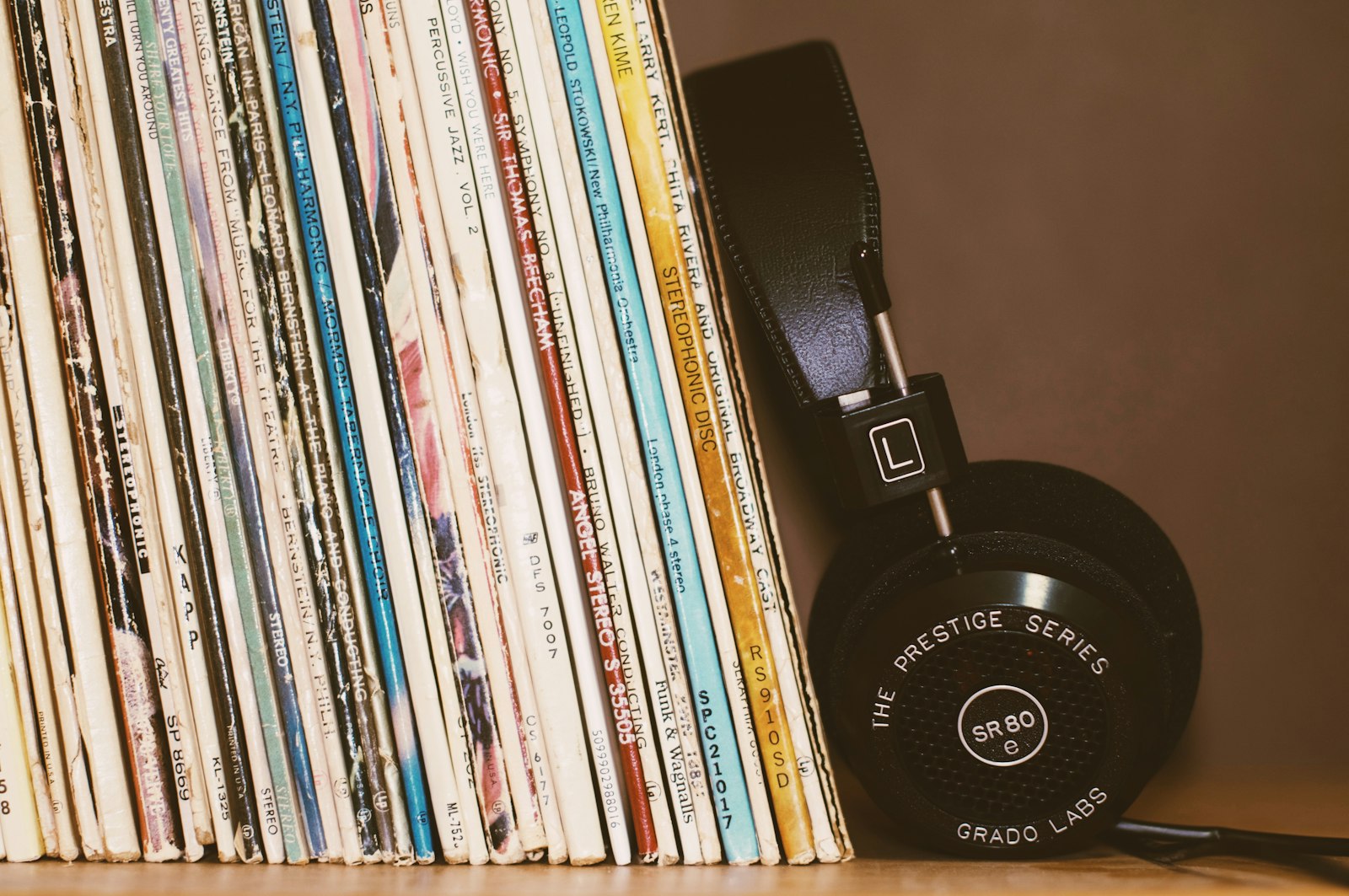
There is a specific flavour of embarrassment that comes with loving a record you cannot read. You find yourself in the car doing a confident, fluent-sounding approximation of a chorus in Spanish or Japanese or Portuguese, and some supervisory part of your brain pipes up: you don’t actually know what you’re saying. You turn it down a little. You feel like a tourist.
Don’t. That reflex is worth arguing with, because the thing you are doing in the car is closer to how music actually works than the careful, lyric-sheet-in-hand listening you think you should be doing instead.
The Words Were Never the Only Payload
Here is the uncomfortable truth about your favourite song in your own language: you probably misheard a line in it for years and loved it anyway. Meaning arrives late in music, if it arrives at all. What gets you first is rhythm, vowel shape, the specific way a singer leans on a consonant, the place where the melody refuses to resolve. Those are not decorations on top of the meaning. In a song, they are meaning — a parallel channel that a translation cannot carry and does not need to.
When you don’t have the words, that channel is all you’ve got, and so you hear it better. You notice that the emotional turn in a verse happens two bars before the lyric would justify it. You notice that a singer’s voice tightens on a syllable for reasons that have nothing to do with the dictionary. Listeners who understand the language often hear this less clearly, because the words are loud enough to drown it out.
Phonetic Is Not Fake
Every singer in a choir has done this. Every kid who learned a hymn or a national anthem before they had any idea what the sentences meant has done this. You take the sound in whole, as a shape, and you carry it around, and sometimes years later the meaning arrives and slots into a space that was already the right size.
That’s not a lesser way of knowing a song. It’s the original one. The meaning is a bonus that shows up if you’re lucky, and the shape is what you actually fell for.
So: Look It Up Eventually
None of this is an argument against curiosity. Read the translation. Read the interview. Find out that the song you’ve been belting is about a grandmother’s kitchen, or a strike, or a dog. It will deepen the record and cost you nothing — the phonetic version doesn’t get deleted, it just gets company.
But do it afterwards. Let the sound land first and unaided, the way it landed on you in the car. Then go find out what you were singing. Half the great records in the world are in languages most of us don’t read, and the entry fee has always been zero.