The Album Opener Is a Handshake
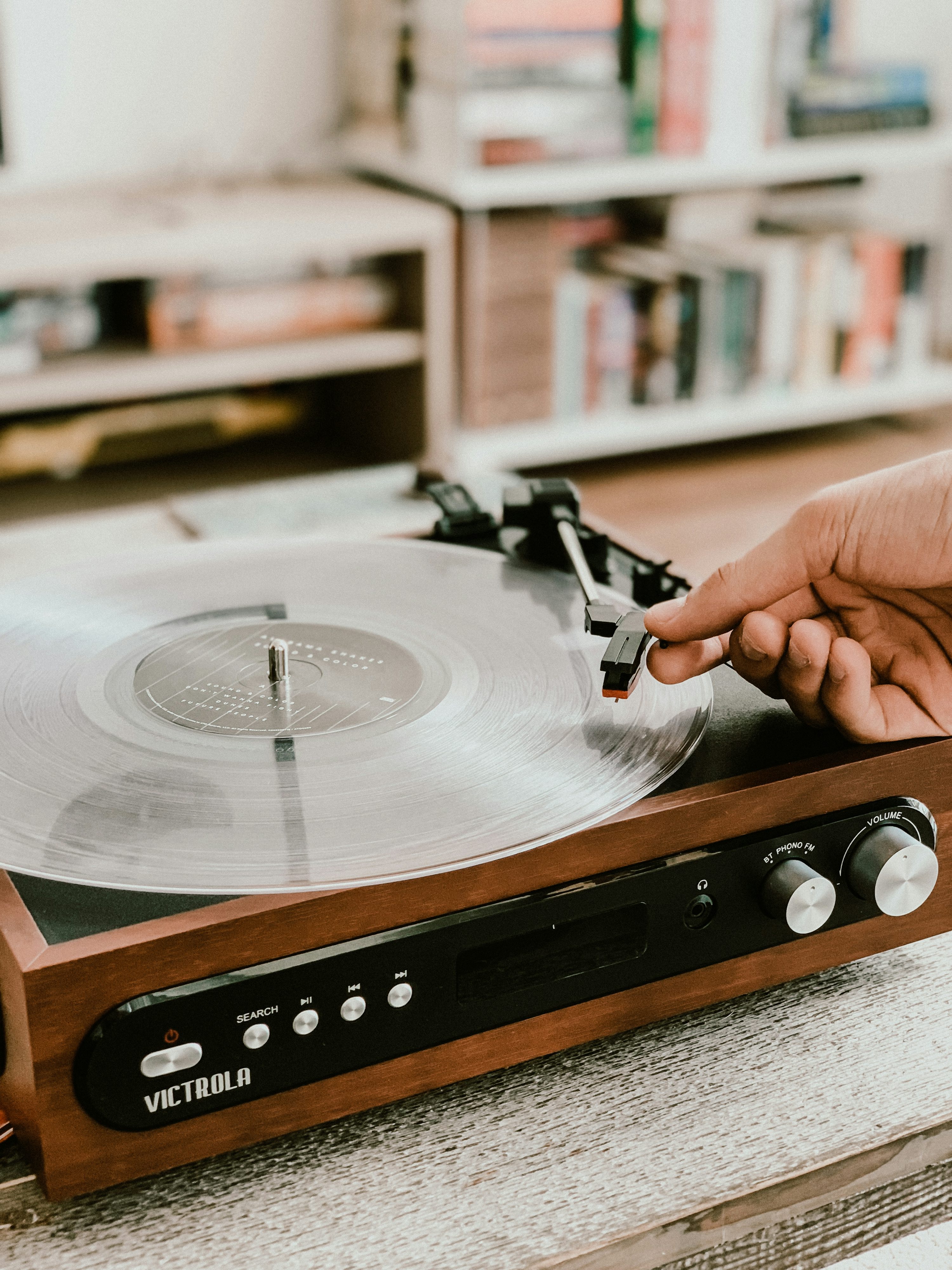
The first thirty seconds of a record are doing more work than almost any other thirty seconds an artist will ever write. There’s no crowd to warm up, no opening act to loosen the room — track one has to do the whole job itself: establish the tempo, the palette, the mood, and the unspoken promise of what’s coming, all before most listeners have finished settling into their seat. A great opener isn’t just a good song in the first slot. It’s a handshake, and like any good handshake, it tells you something true about who you’re about to spend the next forty minutes with.
The best ones commit immediately
Think about the openers that stick with you years later, and you’ll notice they rarely hedge. They don’t spend a minute clearing their throat before getting to the point — they walk in already at full volume, already in character, already sure of themselves. That confidence is contagious. When a record opens with total conviction, it gives you permission to trust everything that follows, even the detours. You’re not evaluating anymore; you’re along for the ride.
Context is doing half the work
Part of what makes an opener land is what it’s opening against — the silence before it, the anticipation of a new release, the blank page of not knowing yet what this record is going to be. That’s a kind of leverage no other track on the album gets. Song six can lean on everything you’ve already heard by that point; track one only has your curiosity to work with, and it has to spend that curiosity wisely. The songs that do it best tend to answer a question you didn’t know you were asking — not “is this good,” but “what world am I about to live in for a while.”
It sets the terms for everything that follows
An opener doesn’t just introduce a record, it negotiates the terms of how you’ll listen to the rest of it. A hushed, patient first track asks for a hushed, patient kind of attention; a loud, chaotic one gives you permission to expect more chaos and rewards you for staying alert. When a record breaks its own terms later on — a quiet opener giving way to something enormous, or vice versa — that only works because the opener set up the contract in the first place. Even the surprise depends on the promise.
So here’s a small ritual worth reviving: the next time you queue up something new, actually listen to track one on its own terms before letting the whole album wash over you. Notice what it’s asking of you. Nine times out of ten, if the record is any good, it already told you everything you needed to know — you just have to take the handshake.