The Demo Deserves Its Own Shelf
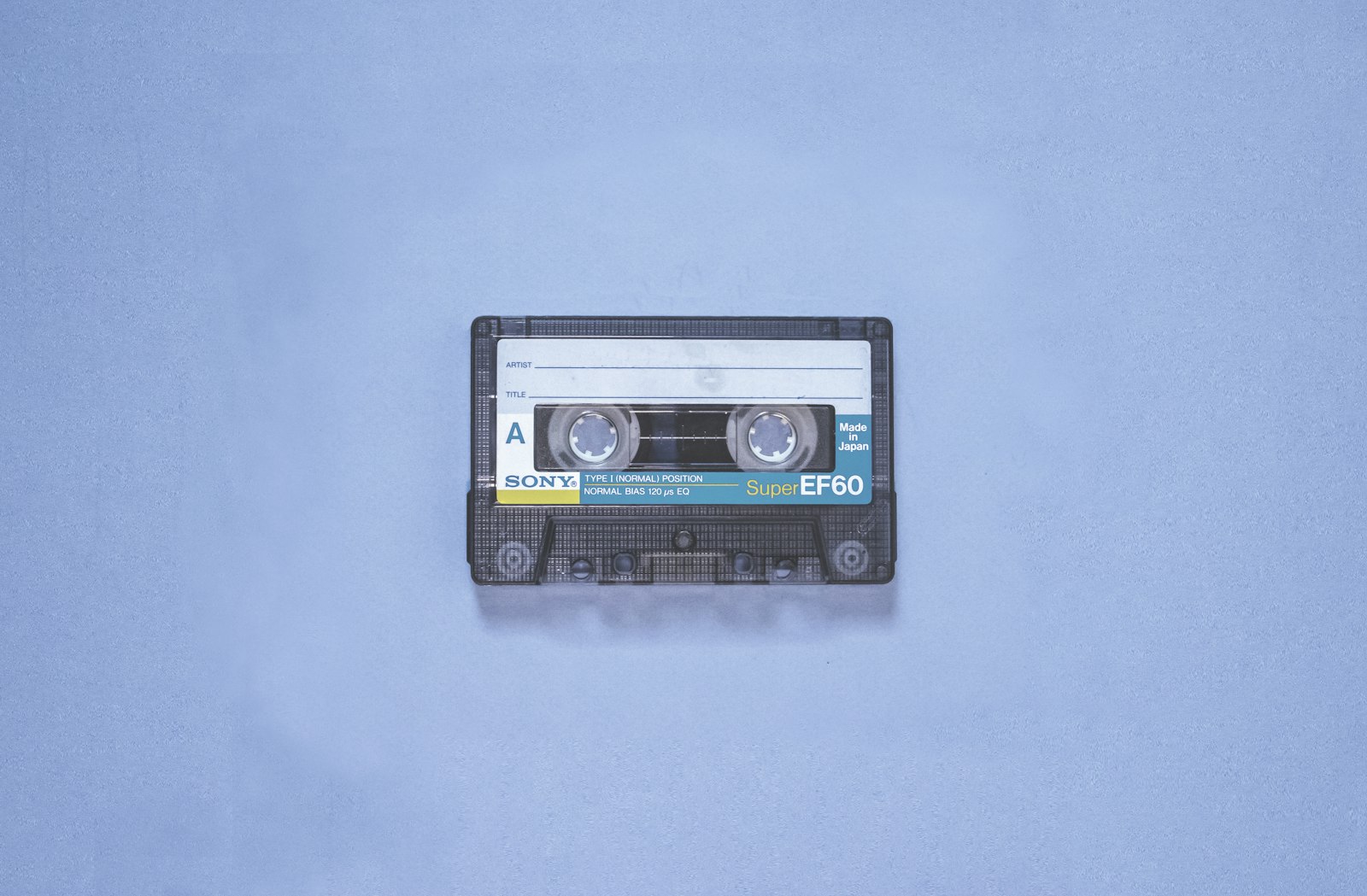
Every so often a band clears out a hard drive and puts up the demos, and the comments fill with the same slightly embarrassed confession: I think I like this one more.
Nobody should be embarrassed. That reaction is not nostalgia and it isn’t contrarianism. It’s a real response to a real difference. A demo and a finished record are not two attempts at the same object. They are two different recordings of two different moments, and they are good at opposite things.
What the Rough Take Has
A demo is made before anyone has decided what the song is. The tempo hasn’t been argued about. The arrangement hasn’t been optimized. Somebody is singing a melody they wrote forty minutes ago, and you can hear them finding the phrasing in real time — landing a word slightly early, holding a note a beat past where the final version will clip it, breathing in a place the comped vocal will eventually erase.
That’s the whole appeal, and it’s a technical appeal as much as an emotional one. Demos tend to be sparse, which means you can hear the actual chords. They’re usually cut in one or two passes, which means the timing has drift in it, which means the groove breathes. They’re often mono, or close to it, which collapses everything into a single believable point in space. None of that is worse engineering. It’s just engineering with different priorities.
What the Finished Version Has
Everything else — and that matters too. The final record has the arrangement the band spent months getting right, the low end that translates in a car, the harmony parts nobody had thought of yet, the ending that actually works. Anyone who tells you the demo is always superior is doing a bit.
The point isn’t a ranking. It’s that most songs have at least two good versions and we’ve built a culture that only shelves one of them.
Go Dig
So here’s the assignment: pick a record you love and find out whether the demos exist. Deluxe reissues, Bandcamp bonus tiers, the band’s own SoundCloud from 2012, a B-side you skipped. Then play them back to back with the album cut and listen for what each one knows that the other doesn’t.
You’re not looking for the better take. You’re looking at a song from two angles, which is twice as much song as you had this morning. Put both on the shelf.