The Drum Fill Is a Doorway
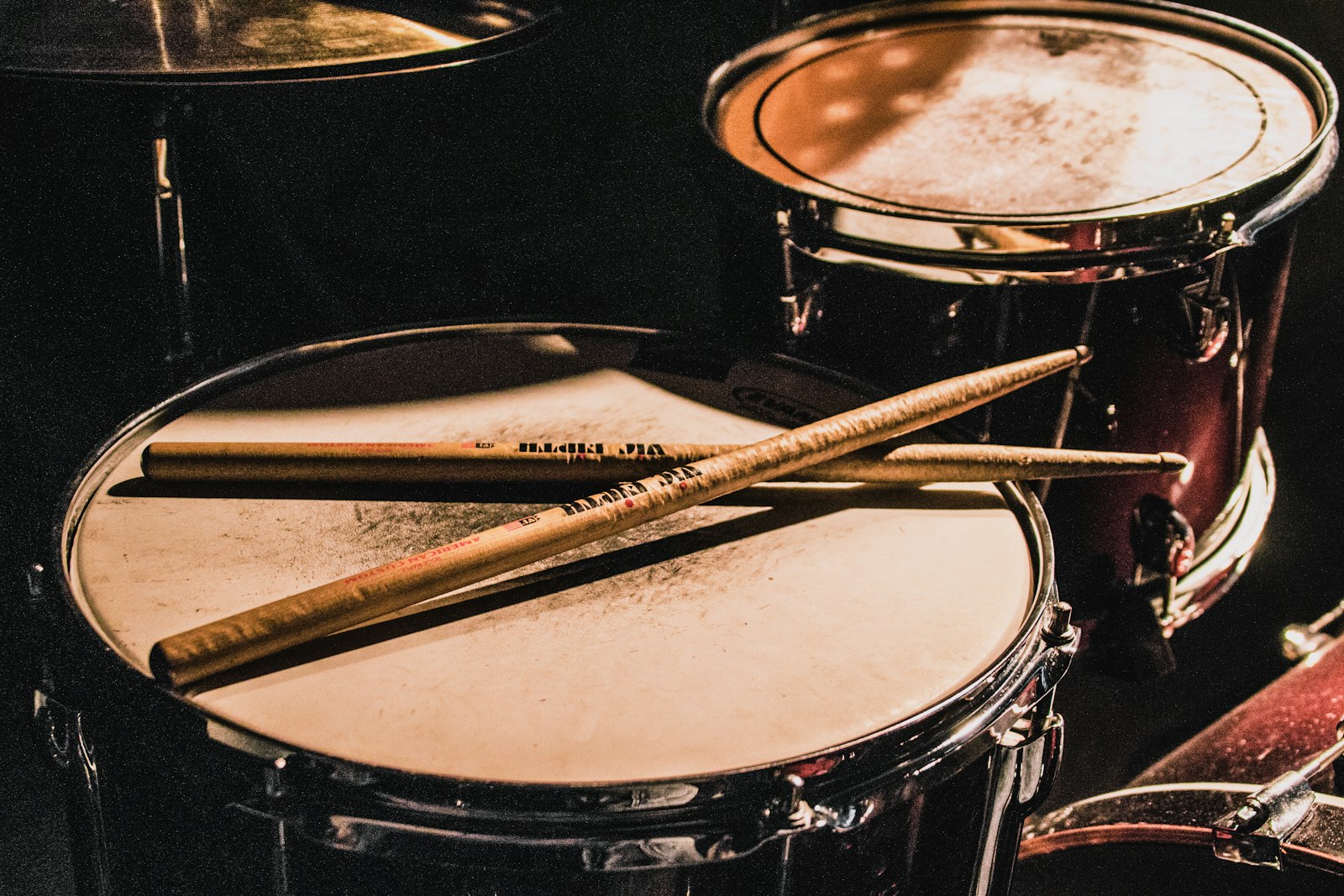
Nobody has ever left a show humming a drum fill. It is one or two bars, usually less, and it exists entirely to get you from one place to another. And yet: take it out, and the song stops working. Not stops sounding good — stops working, in the load-bearing sense, the way a staircase with a missing tread stops being a staircase.
A fill is the moment a record tells you something is about to be different. Everything before it was a verse. Everything after it will be a chorus. The fill is the doorway, and the drummer is the only person in the band whose job it is to hold the door.
What the Fill Is Actually Doing
Musicians talk about fills as decoration. They aren’t. They’re punctuation, and more than that, they’re permission. A song builds a pattern, teaches you the pattern, and then — for a second and a half — abandons it. That abandonment is the whole trick. Your ear notices the floor go missing, braces, and lands somewhere new. The tension resolves at exactly the instant the next section starts, which is why a great fill feels less like a flourish and more like an inevitability arriving on time.
This is also why an overplayed fill fails. Too many notes and the ear loses the count; it can’t tell where the ground went, so it can’t feel it come back. The best fills are often almost nothing — a single crash pickup, a snare pushed one beat early, a bar of silence that ends on the downbeat like a slammed door. Restraint reads as confidence. Confidence reads as an invitation.
The Ones You Remember Without Remembering
Ask most listeners to hum a fill and you’ll get a blank look. Play the song and stop it right before the fill, and they’ll finish it out loud. That gap between what we can recall and what we’ve absorbed is where a huge amount of great drumming lives. It’s craft that succeeds by not calling attention to itself, which is a hard thing to be paid for and an easy thing to overlook.
So here’s a listening exercise for the next record you love. Put on a song you know by heart and wait for the transitions. Not the chorus — the half-second before the chorus. Somebody made a decision there. Somebody chose how many notes, and where the crash lands, and whether to leave the tom out entirely. They chose it in a room, probably late, probably after several worse versions.
Hold the Door
Every band that’s ever gotten good got good partly because someone behind the kit figured out how to move the song from one room to another without anybody tripping. It’s the least celebrated engineering job in popular music.
Next time it happens — that lift, that little drop in the floor and the catch right after — notice it. Then go find the drummer’s name. They’re on the record. Somebody put them there on purpose.