The Fade-In Is an Invitation
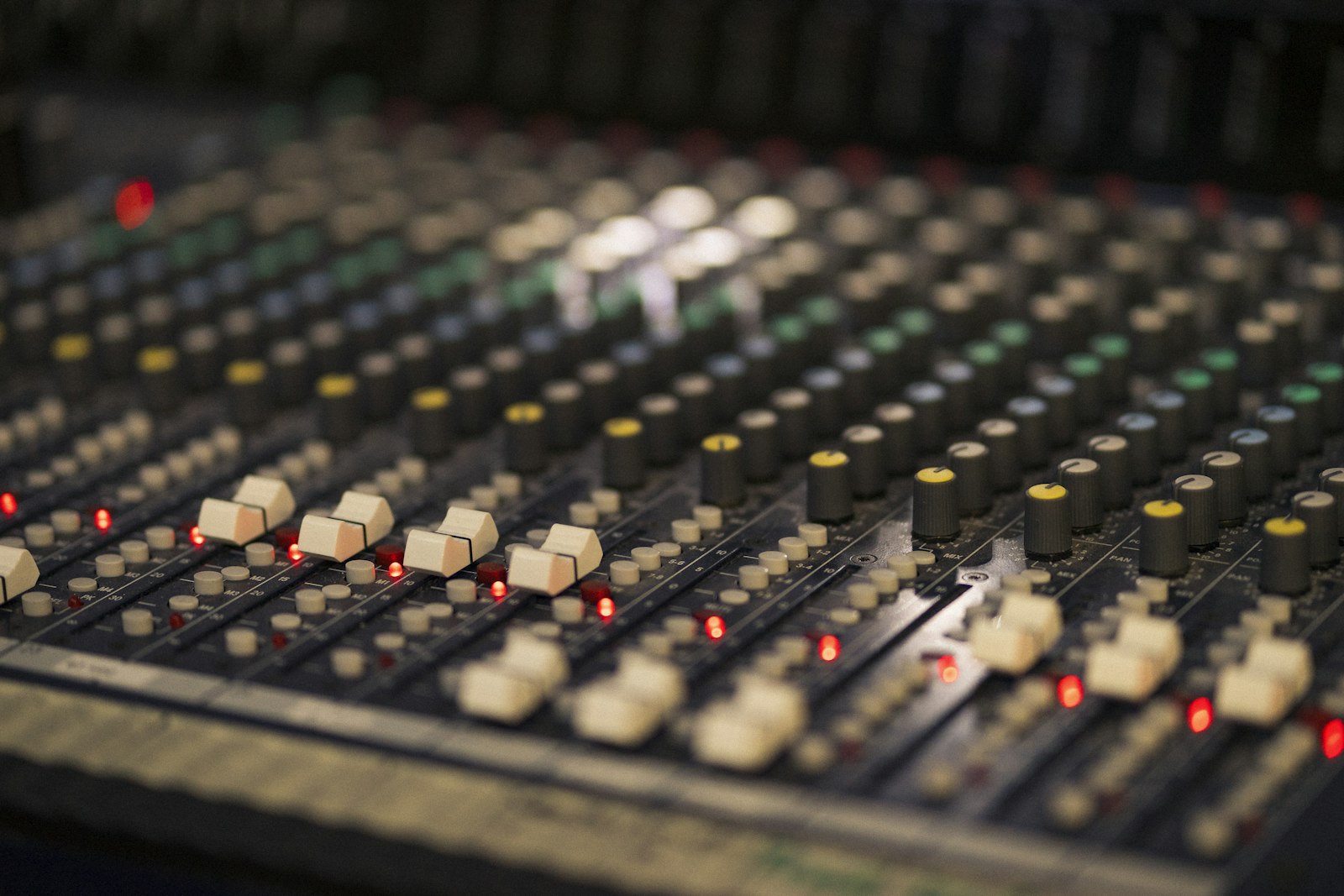
Most songs just start. Count-in, downbeat, go — and that’s fine, that’s most of pop’s entire engine. But every so often a track refuses to simply appear. It seeps in instead: a hiss that resolves into a room tone, a synth pad rising out of nothing like fog lifting off a field, a drum loop that sounds like it’s been playing the whole time and you’ve only just walked into earshot. That’s the fade-in, and it’s one of the most quietly generous moves a record can make.
Silence Isn’t Empty, It’s a Setup
A cold open assumes you’re already paying attention. A fade-in assumes you’re not — and instead of demanding your focus, it earns it, a few decibels at a time. There’s something almost hospitable about that. The song is meeting you where you are, in the quiet, and walking you in rather than yanking you by the collar. By the time it’s at full volume, you’re not just listening, you’re already inside it, and you didn’t feel the door close behind you.
That slow arrival does real structural work, too. A fade-in resets your ears the way a dark room resets your eyes — everything that comes after registers as louder, wider, more present than it would if the track just detonated from bar one. Producers who reach for this trick aren’t being coy. They’re buying dynamic range the honest way, by giving you somewhere quieter to start from.
The Trick Works Because It’s Rare
Part of why a good fade-in still lands is scarcity. Streaming culture rewards the instant hook — the first two seconds have to justify the skip button — so most records these days front-load everything, hit hard, get to the chorus fast. Which makes the tracks that dare to make you wait feel almost defiant. A song patient enough to fade in is a song confident enough to bet you’ll still be there in fifteen seconds. That’s not nothing, in an economy built entirely around the assumption that you won’t be.
And the payoff isn’t just mood-setting. Plenty of the best fade-ins are doing a small magic trick: the first thing you consciously notice already has other instruments quietly underneath it, so the song feels less like it started and more like you finally tuned in to a frequency that was there all along. It’s a neat little sleight of hand, and it only works if the fade is patient enough to sell it.
Give It the Fifteen Seconds
Next time you catch yourself reaching to skip ahead on something that opens soft, don’t. Let the fade actually fade. Whatever’s rising up out of that silence built itself that entrance on purpose — the least you can do is let it in the front door.