The Field Recording Is an Heirloom (Somebody Carried a Microphone Into a Kitchen for You)
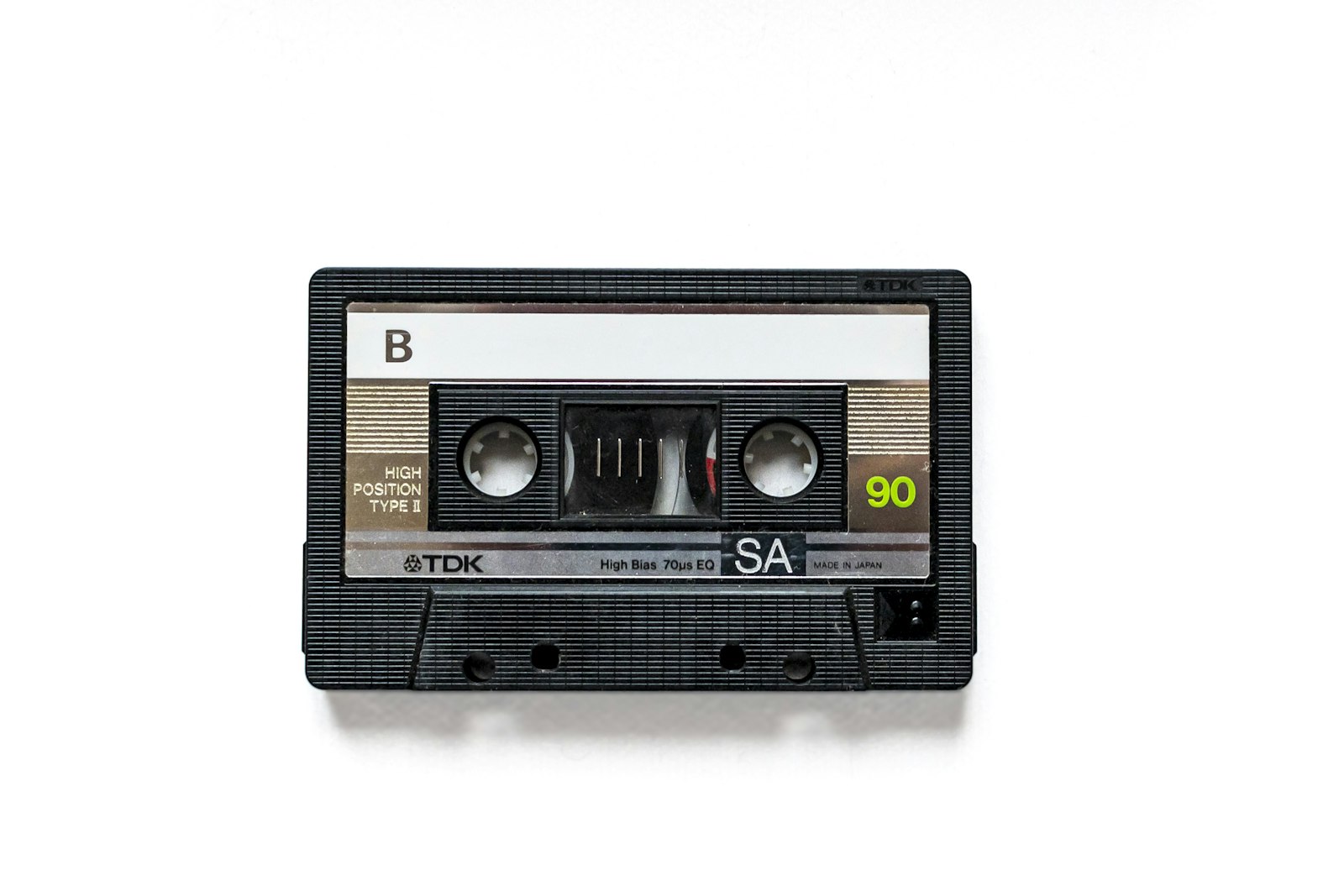
Think about the physical fact of it. Someone put a recording machine in a car, drove it somewhere with no particular reason to welcome them, carried it inside, found an outlet or a battery, set a microphone on a kitchen table, and asked a person who had never once thought of themselves as a musician to please play that tune again. The one their grandmother played. The one nobody had written down.
That happened tens of thousands of times, in nearly every country on earth, usually with no budget and no audience in mind. We inherited the results.
It Was Never About Preservation Alone
The word we use is archive, which makes it sound like a basement. But the people doing this work were rarely only trying to freeze something. They were trying to keep a thing usable — to move a melody out of one failing memory and into a format that a stranger fifty years later could put a needle on.
And the proof that they succeeded is not in the catalogue numbers. It is in how often a working musician stumbles into one of these recordings and comes out of it changed. You hear it in records every single year: someone goes looking for where they’re from, finds a tape of a fiddler or a singer or a drum ensemble doing something rhythmically impossible, and spends the next album learning it properly. The tune does not get quoted. It gets absorbed, and then it shows up as a melodic instinct that wasn’t there on the last record.
The Rough Edges Are the Information
Here is the part worth loving. These recordings are usually not good, technically. A chair scrapes. A kettle goes off. The singer stops to laugh or to correct themselves, and whoever was running the machine had the sense to let the tape roll.
That mess is not noise to be cleaned up. It is the context — the tempo someone actually chose when nobody was watching, the ornament they added because it felt right, the room they were sitting in. A clean studio version of the same tune tells you the notes. The field recording tells you the behaviour. Any player who has tried to learn a traditional melody from a transcription and then heard the original knows the gap between those two things is where all the music lives.
Go Find One
You don’t need a thesis. Pick a place — the one your family came from, or one you’ve never been — and go listen to an hour of people playing in their own kitchens.
Somebody carried a very heavy machine a very long way so that you could. The least we can do is press play.