The Loudness War Is Over, and Dynamics Won
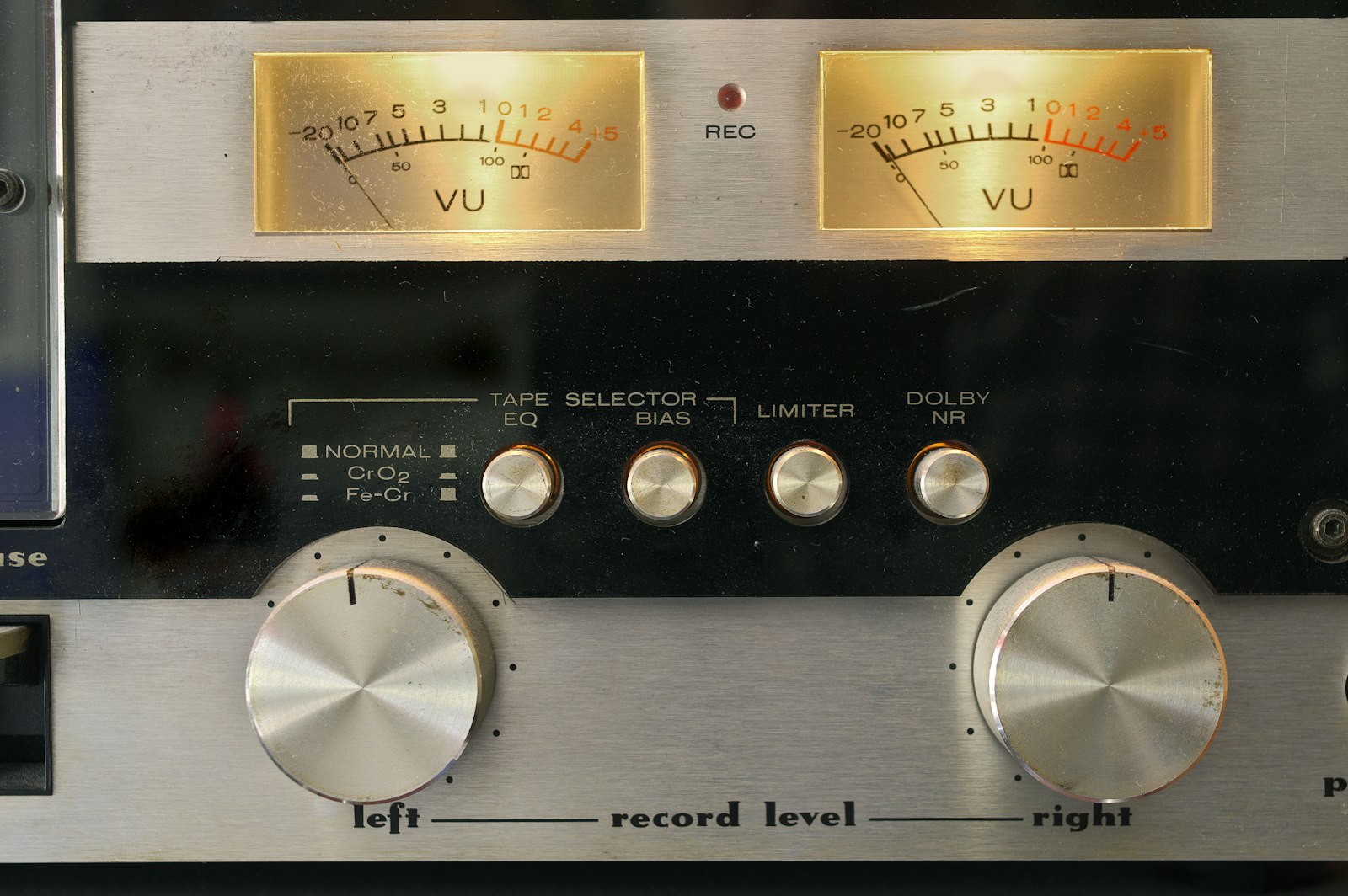
For about two decades, mastering engineers were handed an impossible brief: make it louder than the last record, or the last record on the radio, or the last record in the club, without technically breaking anything. Peaks got squashed flat. Transients got sanded down. Whole choruses arrived at your ears already shouting, because shouting was the only way to win a war measured in decibels. Then, without a single press release or manifesto, the war just ended.
Nobody declared a truce. The platforms did it for us.
Here’s the quiet mechanism: streaming services normalize loudness. Spotify, Apple Music, YouTube — they all turn tracks down (or occasionally up) to hit a target loudness, usually somewhere around -14 LUFS. A record mastered to compete at maximum volume gets automatically knocked back down to the same level as a record mastered with room to breathe. The competitive advantage of brickwalling a mix simply evaporated. You can’t out-loud a system that’s going to turn you down anyway.
What that means in practice is enormous: an engineer chasing a hot master today isn’t winning anything. An engineer not chasing one gets a quieter listen, sure, technically — but only until normalization kicks in, at which point the dynamic mix sounds fuller, more three-dimensional, and less fatiguing than its squashed neighbor sitting at the exact same perceived volume. Restraint stopped being a sacrifice and became, purely by the numbers, the smarter move.
What you actually get back
Dynamic range is where a mix lives. It’s the difference between a verse and a chorus that means something, a drum fill that actually fills, a quiet passage you have to lean into before the band comes back in and floors you. Compress all of that away and every part of the song arrives at the same intensity — technically loud, emotionally flat. Give the mix its headroom back and the loudest moment on the record can finally be the loudest moment on the record, instead of just another paragraph shouted at the same volume as everything else.
Mastering engineers who spent years arguing for more dynamic range and getting overruled by loudness-obsessed A&R notes are, quietly, having their moment. The technical case that used to lose to the marketing case now doesn’t have a marketing case to lose to.
An accidental win for craft
Nobody set out to fix this on purpose. It’s a side effect of streaming infrastructure, not a movement — no coalition of engineers stormed a boardroom. But the outcome is the same one the loudness-war resisters were asking for the whole time: mixes with peaks and valleys, records that reward volume knobs instead of punishing them, choruses that still have somewhere to go. The next time a record makes your chest tighten right as the drums crash back in, you’re hearing headroom an engineer got to keep, in a mix nobody had to fight to protect.
Turn it up. It can finally afford to get louder.