The Merch Table Is the Last Honest Transaction in Music
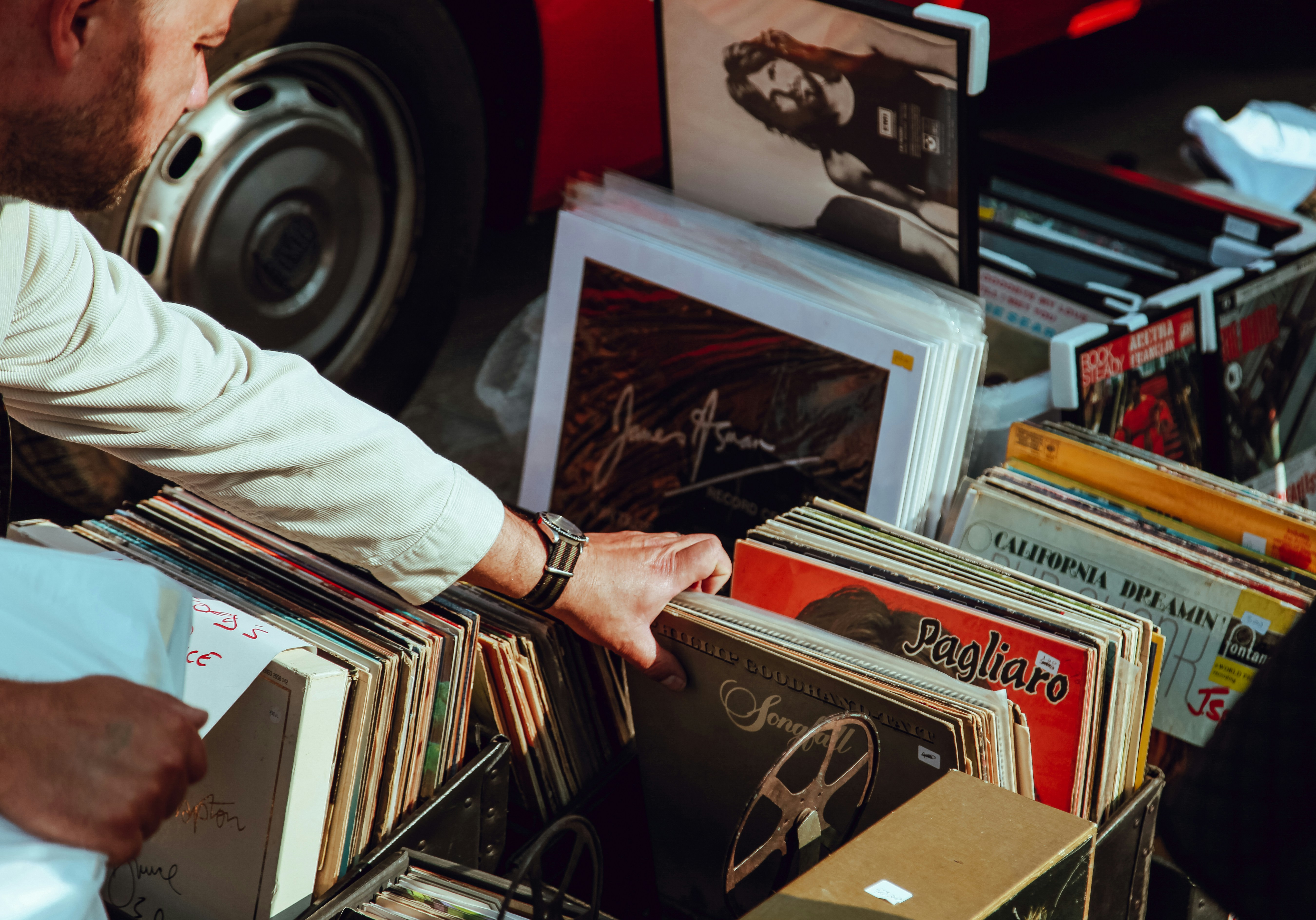
Somewhere between the last song of the encore and the parking lot, there’s a folding table with a string of fairy lights, a card reader duct-taped to a cash box, and a person who was, ten minutes ago, on stage. This is the merch table, and it is one of the last places in music where the money goes exactly where you can see it go.
Everything else about how we pay for music has gotten fogged over. A stream pays a fraction of a fraction of a cent, filtered through platforms and distributors and rights holders until the number that reaches the artist is basically theoretical. A vinyl preorder is an act of faith, placed months before the record even exists. But a shirt bought at the merch table, in cash, from the drummer’s own hands? That’s a transaction with no fog in it at all. You hand over money. A person you just watched sweat through ninety minutes hands you a shirt. Everyone in that exchange knows exactly what happened.
It’s also, unglamorously, how touring survives. Ticket money gets eaten by venues, promoters, and gas long before a band sees any of it — merch is where a tour actually turns a profit, or doesn’t. Buying the shirt isn’t a souvenir purchase so much as a vote for the next tour existing at all. You’re not tipping the band. You’re capitalizing them.
And there’s a strange intimacy to the whole ritual that no online store replicates. You wait in the same line as the sound engineer’s friends and the couple who drove four hours. The person selling you the hoodie might be the bassist, might just be a friend roped into cash-box duty, and either way they’ll probably say something true about the show if you ask. Merch tables are where bands are still, briefly, just people running a small business out of a tote bag.
So next time the lights come up, skip the rideshare app for five more minutes. Go stand in that line. Buy the shirt with the slightly-too-bold design, the one that will look dated in exactly the right way in six years. You’re not just leaving with cotton. You’re leaving having closed a loop that most of the music industry spent the last two decades trying to erase — the one where you pay a person, and the person says thanks, and that’s the whole transaction.