The Mixtape Is Still the Best Love Letter We Know How to Write
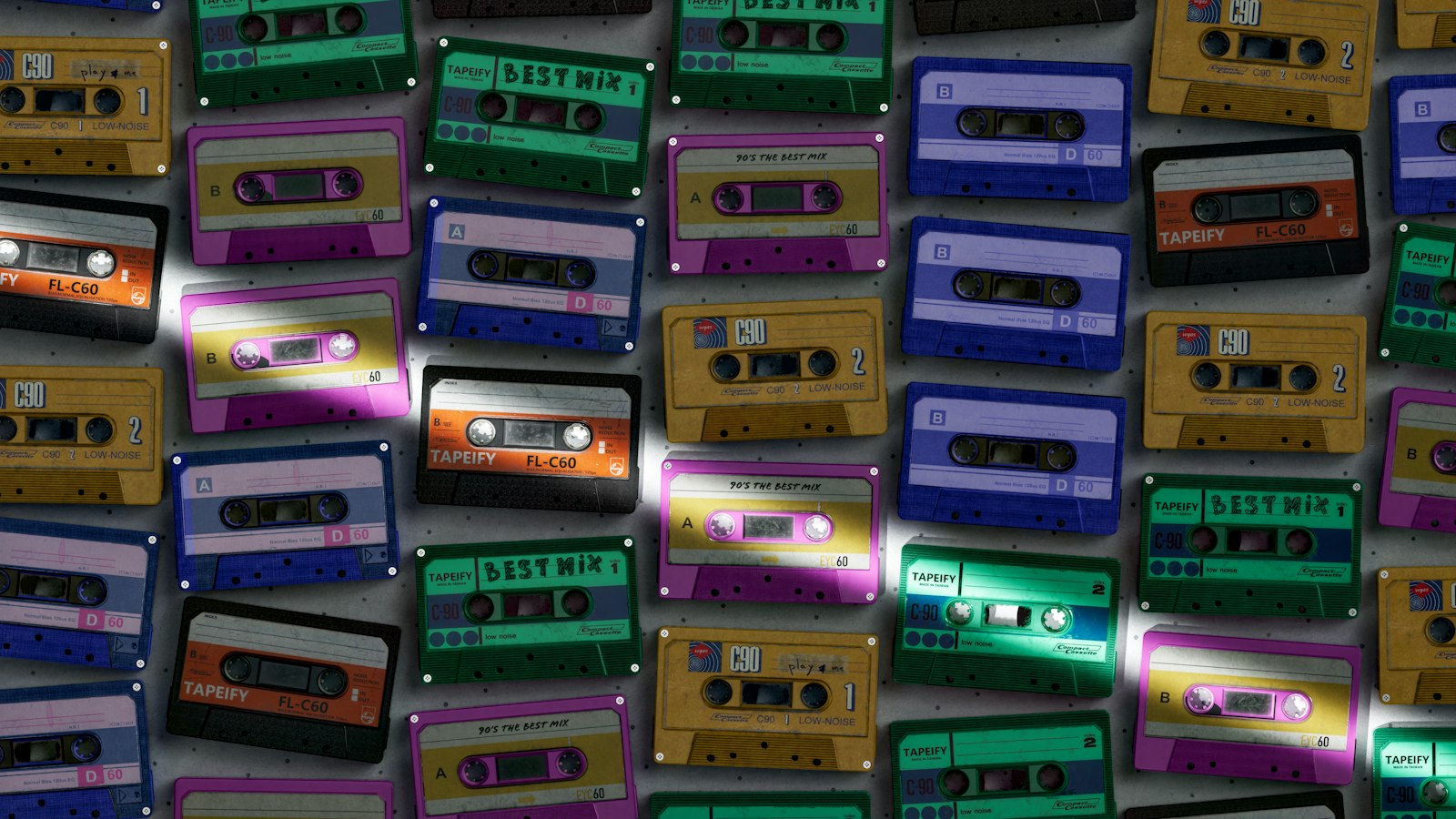
Nobody actually needs a mixtape anymore, and that’s exactly why the ones people still make mean so much. You don’t have to hunt down a blank cassette or figure out how much silence to leave between songs so the auto-reverse doesn’t clip anything. You just make a playlist. And yet the impulse hasn’t gone anywhere — it’s just as common now to get a link with twelve songs and no explanation as it was to get a cassette with a hand-drawn cover in 1994. Same ritual, new plumbing.
Sequencing is the whole language
What made a mixtape work was never any single song — it was the order. Track one had to earn your attention without giving everything away. Somewhere in the middle you’d bury the song that actually explained why you made the thing at all, trusting the listener to notice it wasn’t just filler. The closer had to feel like an ending, not just a stop. None of that changed when tape gave way to CD-R gave way to playlist link. If anything, digital sequencing made the stakes higher, because now there’s no B-side to physically flip — just one long, unbroken argument you’re making about how you feel, three to five minutes at a time.
Curation as intimacy
Here’s the thing streaming algorithms will never replicate: a mixtape is proof someone was thinking about you specifically. Not “people who liked this also liked that” — a person, sitting with your particular sense of humor and your particular sadness in mind, deciding this song belongs next to that one because of something only the two of you would understand. That’s a kind of attention that doesn’t scale, and it’s exactly why it still lands. A good mixtape says more in forty-five minutes of sequencing decisions than most people manage to say out loud in a year.
So keep making them — for a crush, for a friend going through it, for someone who just needs to hear “you get me” without you having to say the actual words. The format stopped mattering a long time ago. The impulse behind it never will.