The Mixtape Never Really Died, It Just Changed Formats
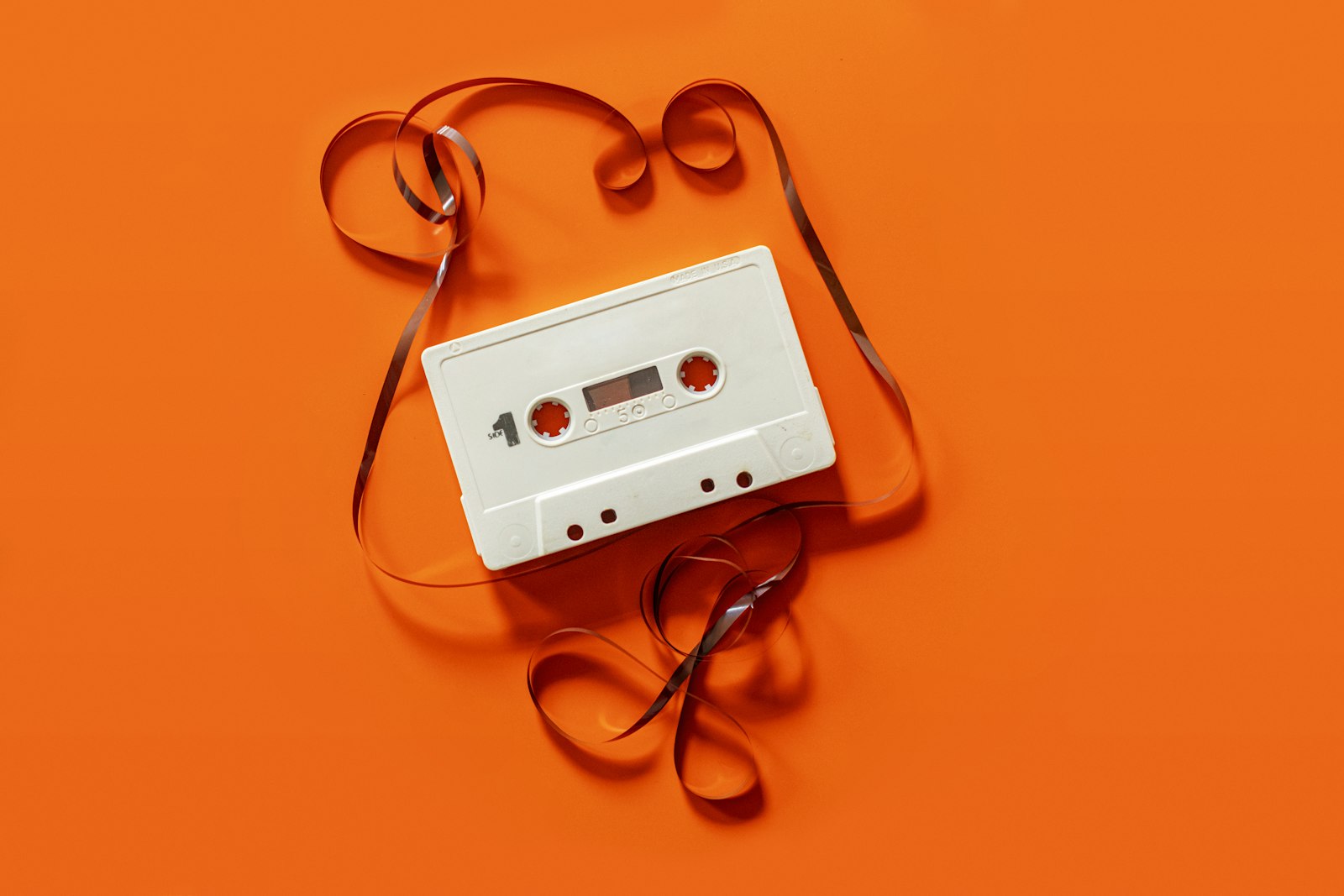
Somewhere in every music fan’s history there’s a mixtape they didn’t make casually. Maybe it was ninety minutes of cassette, carefully sequenced so side A ended on the right note and side B had time to build back up. Maybe it was a CD-R with a title written in Sharpie on the disc itself. Maybe, more recently, it was a playlist link sent with no explanation at all, just a track order that was supposed to say something the sender couldn’t say directly. The format keeps changing. The impulse behind it hasn’t moved an inch.
What’s easy to miss, in all the eulogizing that happens every time a format goes extinct, is that the mixtape was never really about the tape. It was about sequencing as a form of communication — the idea that the order of songs could carry meaning that no single song could carry alone. A tape that opens with something urgent and closes with something quiet is making an argument. A playlist that buries the most vulnerable song in the middle, surrounded by louder ones, is doing the same thing a shy person does at a party: saying the real thing, but only once everyone’s distracted enough not to notice too hard.
Streaming was supposed to kill this instinct by making everything infinite and shuffleable, and for a while it looked like it might. But the culture found its way back to sequencing almost immediately — collaborative playlists, “songs that remind me of you” folders, the entire ritual of making someone a start-of-relationship playlist and then, years later, a very different kind of playlist for the end of one. The tools changed. The need to hand someone a curated, ordered piece of your interior life did not.
There’s something worth celebrating in how stubborn that instinct has turned out to be. It survives the death of physical media because it was never really about the media in the first place — it’s about the fact that listening to music alone is good, but listening to music somebody chose specifically for you is a different, better thing entirely. Every generation gets a new format and immediately starts using it for the same old purpose: proof that someone was paying close enough attention to know exactly what you needed to hear next.
That’s the part worth protecting as formats keep shifting again. Whatever comes after the playlist — and something always comes after — the mixtape’s real legacy won’t be cassette shells or jewel cases. It’ll be the habit of treating a sequence of songs as a message, sent by one person, to one other person, meant to be heard start to finish. That instinct has already survived three format changes. It’ll survive the next one too.