The Reprise Is the Only Callback That Actually Works
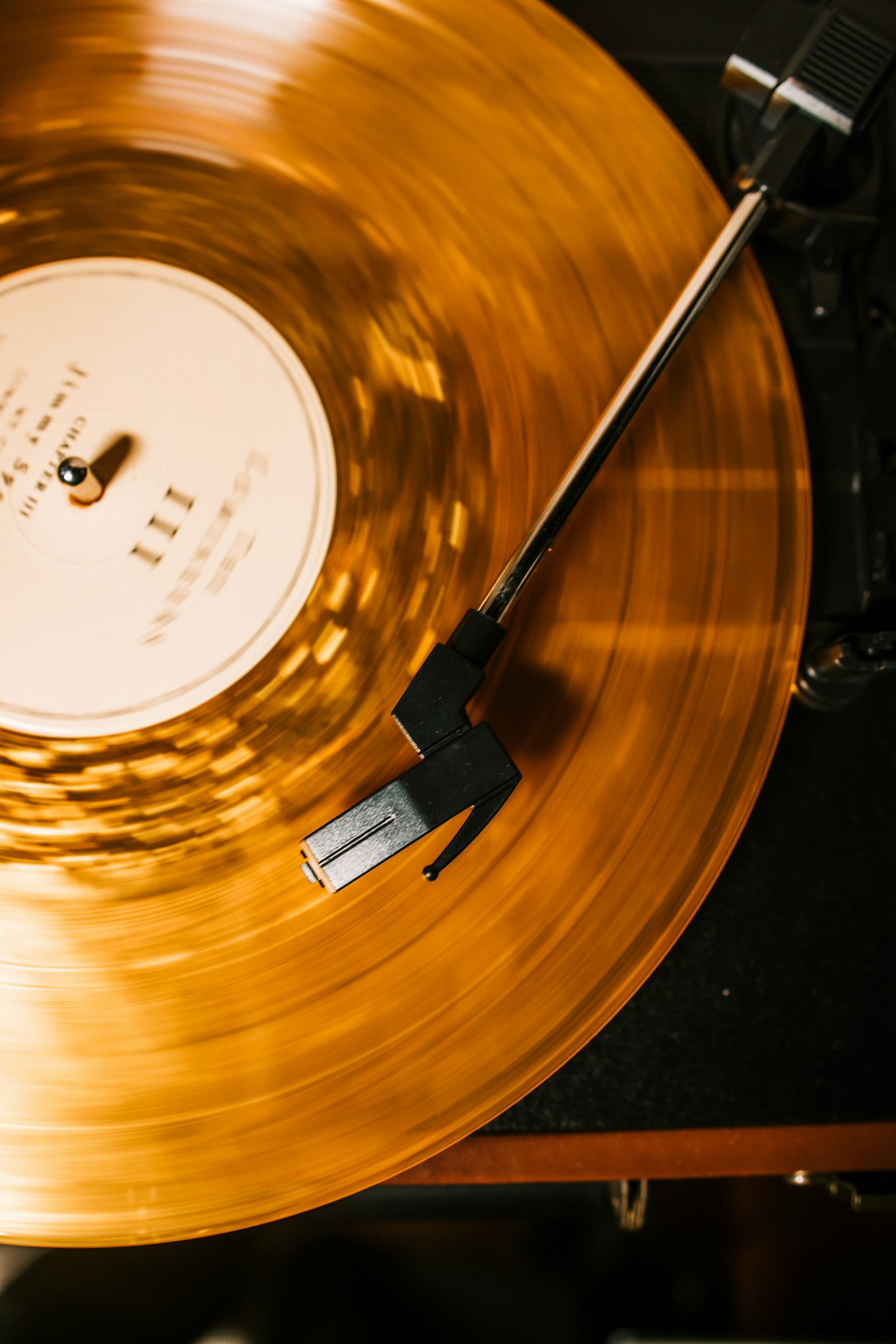
There’s a specific kind of chill that happens on a good reprise. You’re eleven tracks into an album, maybe not even paying close attention anymore, and suddenly a melody you half-forgot shows up again — slower, or quieter, or played on a different instrument, but unmistakably that one. It’s not a new idea. It’s an old idea, returned to you with context you didn’t have the first time. And for about fifteen seconds, the whole record feels like it was engineered with a plan.
Repetition with memory attached
Plenty of art forms use callbacks — a novel that closes with the same image it opened on, a film that repeats a line of dialogue with new meaning. But music has a structural advantage: melody sticks in the body in a way plot points don’t. You don’t have to consciously remember a theme from track two to feel your ears perk up when it resurfaces in track eleven. Your memory for melodic contour is faster and stranger than your memory for facts, which is exactly why the reprise lands as a physical sensation before it registers as a clever structural choice. The songwriter isn’t just repeating themselves. They’re testing whether you were paying attention the first time, and rewarding you if you were.
The best reprises don’t just repeat, either — they recontextualize. The hopeful version of a melody from the album’s front half comes back exhausted, or the exhausted version comes back hopeful. That’s the trick that separates a genuine reprise from a lazy one: the notes are the same, but the weight has changed, because you’ve spent forty minutes living inside the record and neither you nor the song is exactly where it started. A reprise that doesn’t earn a new emotional reading is just a repeat with a fancier name.
It only works because you can’t skip ahead and check
Part of what makes the reprise so satisfying is that it depends entirely on sequence and patience — it can’t be spoiled by a playlist algorithm shuffling your tracklist, and it doesn’t work if you jump straight to track eleven on a whim. It requires the listener to have actually sat with the album in order, long enough to half-forget the original statement, so that its return can feel like a discovery instead of a foregone conclusion. In an era where a huge amount of listening happens out of sequence, a well-placed reprise is a quiet argument for albums as a form worth experiencing start to finish — not because sequencing is sacred for its own sake, but because some of the best moments in music simply can’t happen any other way.
So next time a familiar melody sneaks back into a record near the end, don’t just nod and move on. That’s the songwriter cashing in a promise they made to you forty minutes earlier, and it’s one of the few tricks left that a shuffle button can’t touch.