The Runout Groove Is Where Vinyl Gets Personal
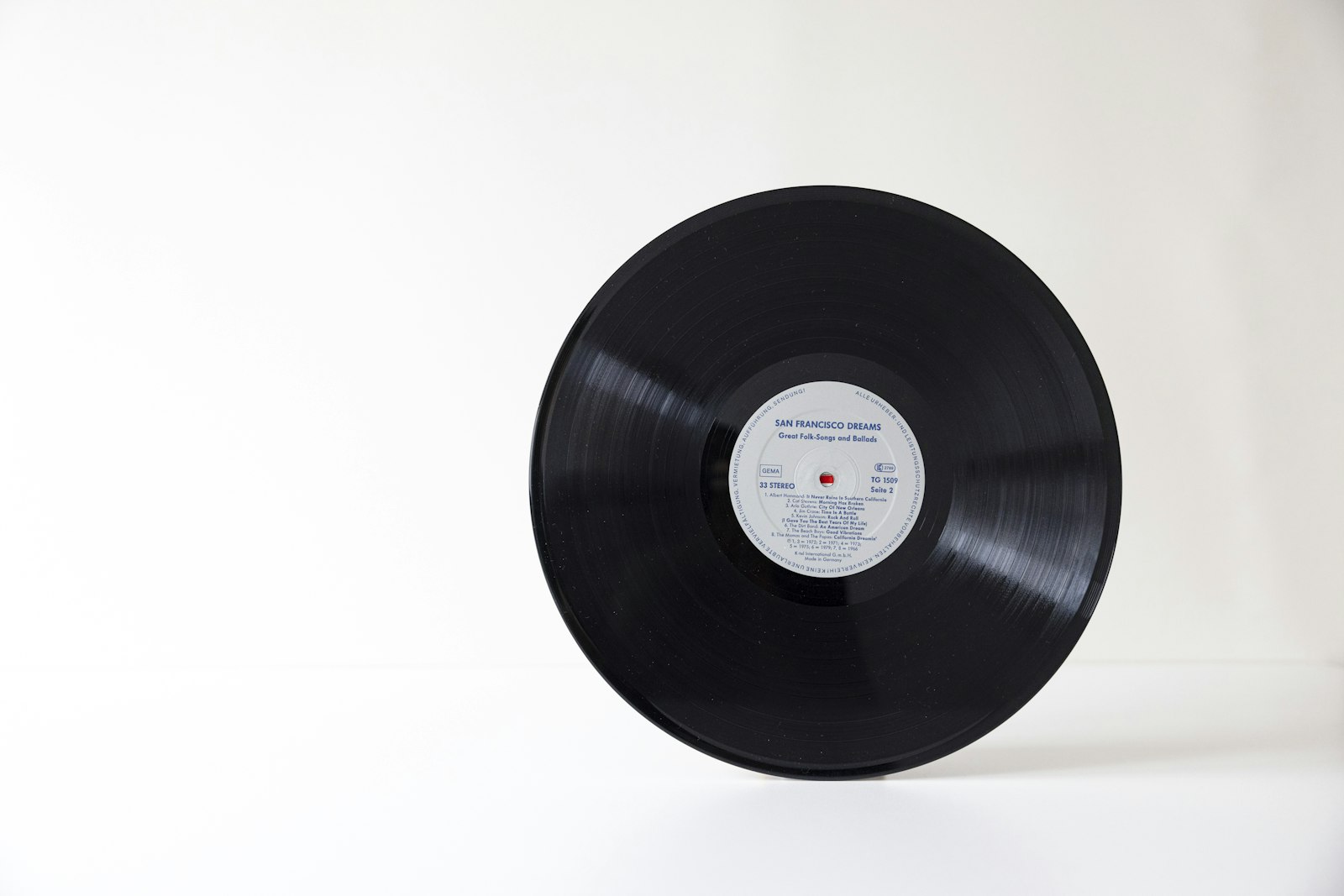
Pull a record most of the way off the platter after the final track and look at that last inch and a half before the label — the runout groove, sometimes called the dead wax. To the naked eye it looks like empty space, the part of the record where the music has already ended and the needle is just riding out to the center. Look closer, or better yet, angle it under a lamp, and you’ll usually find it isn’t empty at all. Someone was in there with a lathe, etching by hand.
The tradition goes back to the earliest days of mastering, when engineers needed a way to identify which lacquer was which before labels got printed, and it never really stopped once records started leaving room for personality. Some etchings are practical — catalog numbers, a mastering engineer’s initials, the studio’s stamp. Plenty more are not. Bands have used the runout to bury inside jokes for the two or three people who’d ever notice, to sneak in a lyric that didn’t make the sleeve, to needle a rival band, or to just say thank you to whoever pressed the thing. It’s the closest vinyl gets to a margin note — a place for the people who made the record to talk directly to the handful of listeners obsessive enough to go looking.
What makes it worth defending is how deliberately useless it is as a marketing tool. Nobody streams the runout groove. It doesn’t show up on a tracklist, doesn’t get its own credit, isn’t mentioned in the press release. It exists purely for the person who already bought the record, flipped it over, and got curious about the part everyone else ignores — which makes finding a good one feel less like discovering a feature and more like being let in on something. A mastering engineer scratching a private joke into lacquer is betting that somebody, someday, will care enough to look. That’s a strange kind of faith to have in a stranger, and it’s touching every time it pays off.
It’s also one of the few pieces of record culture that genuinely can’t be faked by a reissue done carelessly — a lazy repress with a generic runout stamp gives itself away instantly to anyone who’s held the original. The etching is proof someone was paying attention at the very last stage of the process, after the mix was locked and the art was printed, when it would have been easiest to just let the record end. Instead they left one more thing in there, on purpose, for nobody but you.