The Surprise Release Is Music's Last Great Plot Twist
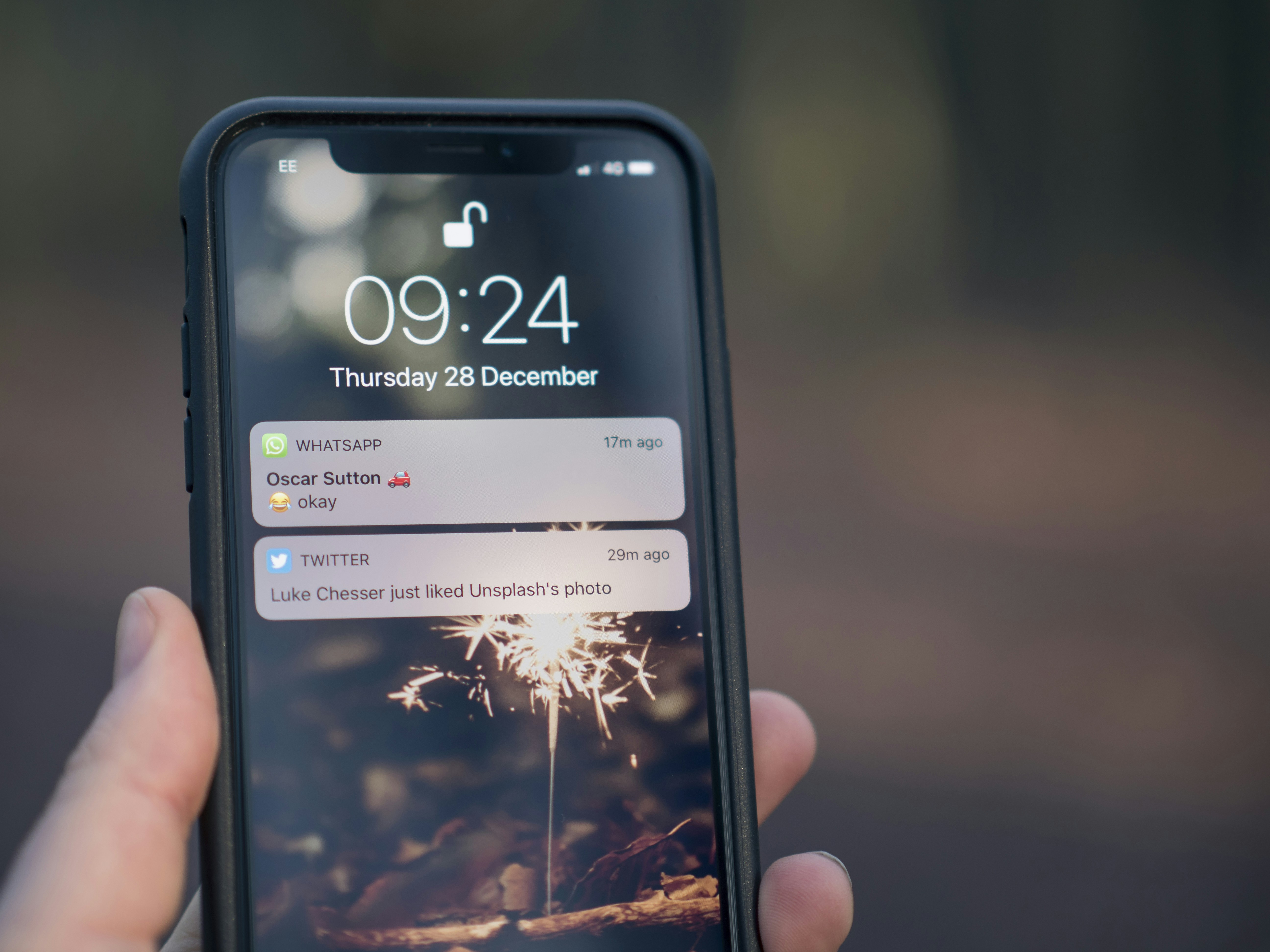
Somewhere around 11:58pm, your phone starts buzzing in a way that means something. Not a push notification about a sale, not a reminder — a group chat detonating in all caps. Nobody warned you. Nobody teased a countdown timer for six weeks, or leaked a tracklist to a fan account, or ran a three-act rollout with a Rolling Stone cover story as the finale. One minute there was no album. The next minute there’s a whole album, complete, mixed, mastered, artwork and all, sitting in your library like it always belonged there. That’s the surprise release, and it remains one of the only plot twists the music industry hasn’t figured out how to ruin.
The whole game is trust
A surprise drop only works if the artist has enough goodwill banked that people show up unannounced and sight unseen. That’s the real flex behind it — not the element of surprise itself, but the confidence it signals. An act needs a fanbase primed to drop everything at midnight on faith alone, no advance single to sweeten the deal, no critical score to lean on. When it lands, it feels like being let in on something rather than sold something, which is a completely different emotional transaction than the one a standard release cycle asks you to have.
Marketing’s only remaining unknown
Everything else about how music reaches you has become almost aggressively predictable. Release dates get locked to the calendar months out. Pre-save campaigns exist purely to game an algorithm that already knows what’s coming. Even leaks have become a genre of content, with countdown clocks built around them. The surprise release is the one move left that can’t be pre-scheduled, previewed, or algorithmically flattened into a content calendar slot — it depends entirely on an artist’s willingness to give up the marketing runway everyone insists you need, and bet that the music can do all the talking on its own.
The best part is arguing about it immediately
There’s no “wait and see how the reviews land” grace period with a surprise release — you and everyone you know are experiencing the record at the exact same moment, forming opinions in real time, texting each other track numbers before anyone’s had a chance to form a consensus. That shared disorientation is half the fun. A record that arrives with six months of press builds up an argument about it slowly; a record that arrives at midnight starts the argument instantly, all at once, with everybody equally unprepared.
So here’s to the artists still willing to skip the rollout: the ones who’d rather let the songs land cold than spend a quarter explaining them to us first. Keep your phone notifications on. You never know which midnight is the one that matters.